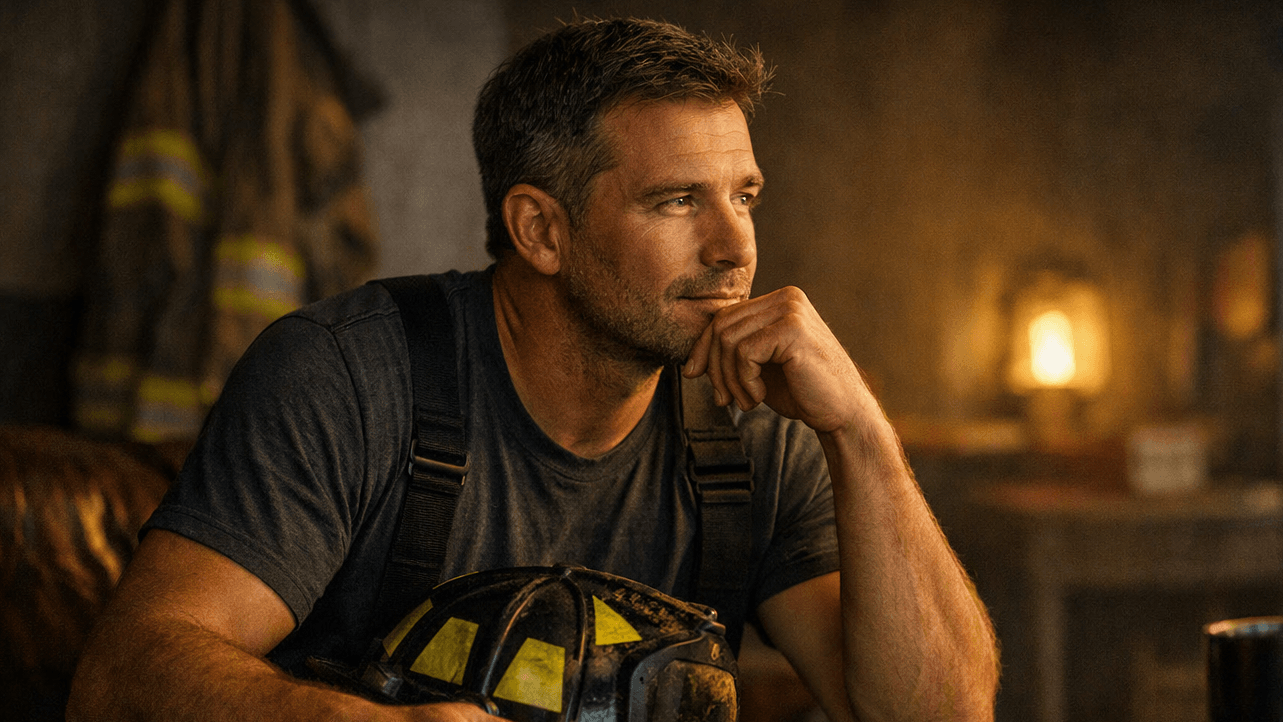
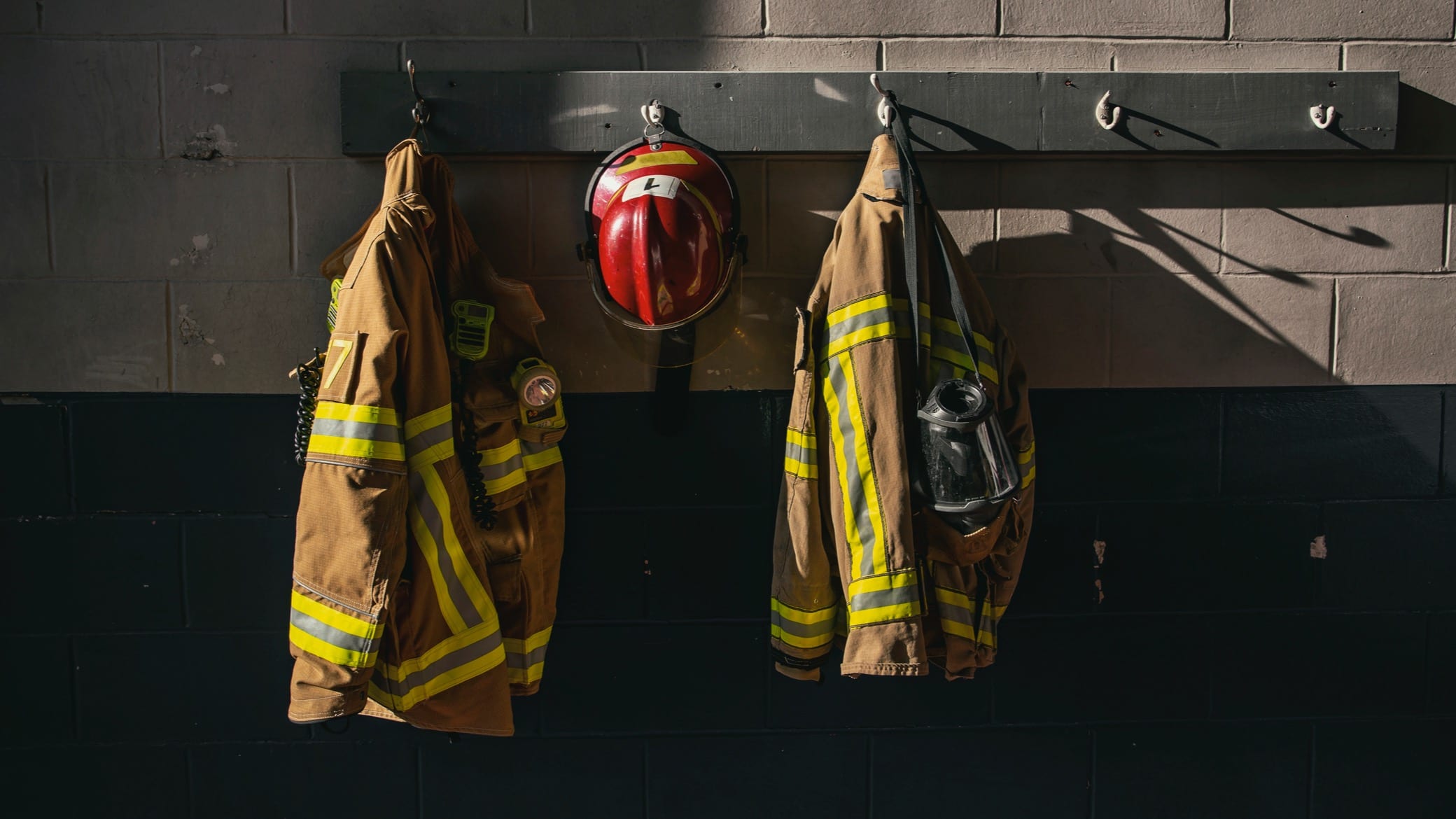
Firefighters answer the call when no one else can. But when they face their own crisis from post-traumatic stress, chronic pain, or substance use, they are often met with silence, stigma, and systems that fail to understand their world. The result? A growing epidemic of untreated trauma and substance use disorder (SUD) within our nation’s fire service. It does not have to be this way.
Today, employers that embrace culturally competent, transdisciplinary trauma-informed care models are witnessing something extraordinary. The overwhelming majority of firefighters treated for complex PTSD and SUD not only recover, but they also re-enter the workforce with renewed purpose. These numbers are not just statistics but rather, they are lifelines. They reflect a transformational shift in how we treat our bravest when they need help the most.
Why Firefighters Turn to Substances: More Than a Coping Mechanism
Firefighters are repeatedly exposed to scenes the public only imagines in nightmares: charred remains of family homes, mangled bodies in highway collisions, lifeless children pulled from swimming pools. Add sleep deprivation, musculoskeletal injuries, and a culture of stoic perseverance, and it is no surprise that alcohol, opioids, or stimulants can become a crutch.
But what starts as a way to sleep through the night or dull the pain can become a trap. When PTSD, traumatic brain injury (TBI), or chronic pain go unrecognized and untreated, substance use escalates. What follows is a dual-diagnosis spiral: trauma fuels substance use, and substance use deepens trauma’s hold.
The Ultimate Betrayal: When Firefighters Feel Abandoned by Their Agencies
Many firefighters suffer not just from trauma, but from organizational betrayal, a deep injury felt when departments fail to protect, support, or advocate for their own. It is what happens when a firefighter is told, “Just push through,” or is sent to an off-the-shelf rehabilitation program that has no understanding of what it means to be first on the scene. It is what happens when systems fall short, leaving firefighters feeling invisible.
Cultural Competence is Not a Buzzword. It’s a Lifeline
To reverse this crisis, medical and psychological providers must become culturally competent. This means:
- Understanding the firehouse code: the loyalty, the humor, the silence, and the scars
- Speaking the language of tactical athletes, not generic patients
- Physically vetting SUD and PTSD programs to ensure they deliver results, not just temporary relief
It also means risk managers, claims examiners, physicians, and psychologists must be aligned, not just contractually, but philosophically. When cities like San Diego adopted transdisciplinary trauma-integrated models that truly reflected the fire culture, the outcomes were transformational. Firefighters did not just get better, but rather, they came back stronger.
The Pivotal Role of Risk Managers: Cost-Effective Care Starts with the Right Referral
Risk managers occupy one of the most influential positions in reversing the tide of firefighter trauma and substance use. By referring injured firefighters to programs that are both clinically effective and culturally aligned, they can drive outcomes that matter most: long-term recovery, return to service, and cost containment.
Programs with validated success rates, where nearly all participants resolved their PTSD and SUD diagnoses and went on to reclaim meaningful roles, are rewriting what recovery looks like. Risk managers who champion these models are not just supporting their firefighters; they are protecting department readiness, reducing prolonged disability costs, and upholding the mission of public safety.
Strategic referrals to results-driven programs do not just improve care but rather, they optimize claims outcomes and reduce system strain. In this way, risk managers become champions of both fiscal responsibility and firefighter well-being.
The New Standard: Transdisciplinary Biopsychosocial Therapeutic Communities
The most effective programs now integrate:
- Neurologists to assess and treat undiagnosed brain injuries
- Addictionologists and psychiatrists to medically manage detox and dual diagnoses
- Clinical psychologists and trauma therapists trained in firefighter-specific protocols
- Physical therapists, occupational therapists, and chronic pain specialists who understand cumulative injury patterns
- Peer support from fellow firefighters in recovery within a residential therapeutic community model
- Nutrition and sleep science to restore baseline functioning
This is not just rehabilitation; it is a full reset, a sustained reintegration into life, service, and self.
Why Risk Managers and Fire Chiefs Must Lead the Charge
If you are a fire chief, risk manager, union representative, or city official, know this – your policies and provider choices are either breaking the chain or reinforcing it. Sending a firefighter to a generic program that does not understand their culture contributes to the tragedy. You would not send an Olympic athlete to a generalist for a torn ACL. Why send your most elite first responders to a program that does not speak their language or deliver proven results?
The Results Are in: Recovery is Possible. So is Return to Work
Departments that invest in integrated, culturally competent care are seeing:
- Most participants no longer meet the diagnostic criteria for PTSD
- Most return to meaningful work or active duty
- None discharged with a sense of abandonment
These are not outliers; they are indicators of a new gold standard for treatment and recovery in the fire service.
This is the New Fire Line. Are You Ready?
When a firefighter reaches out for help, it is not weakness, it is a call for backup. If we fail to respond with competence, urgency, and cultural respect, we become part of the trauma. But if we answer with the right team, the right treatment, and the right understanding, we become part of their recovery.
When it comes to our firefighters, embracing the new gold standard for trauma-related and SUD treatment is important – because no one fights alone. Not in a burning building. Not in recovery. Not ever.
Dr. Tomer Anbar is CEO of Institutes of Health (IOH), specializing in the research and advanced treatment of such epidemics as chronic pain, complex post-traumatic stress disorder, brain injuries and related conditions. IOH is made up of specialty clinics and institutes with specific focus and mission. The IOH First Responder Institute is a component of the Institutes of Health engineered to recognize and respond to the unique challenges these professionals face. For more information, visit www.institutesofhealth.org.