
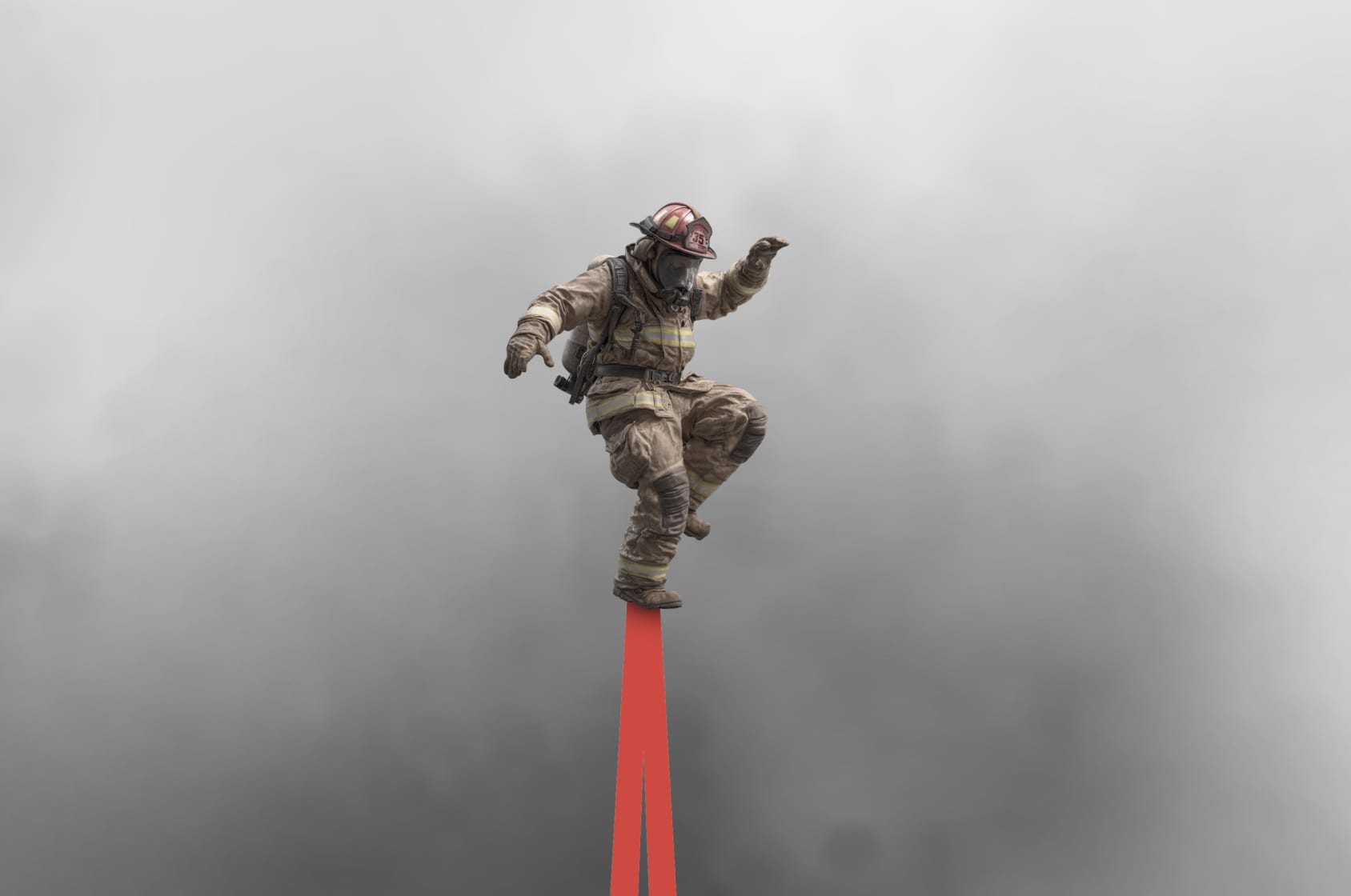
We hear it often: It is lonely at the top. And nowhere is that more true than in the fire service. Being a fire service leader has its advantages, which is why so many of us seek it out. It also has its pitfalls, isolation chief among them.
This unique role presents numerous challenges, including constant needs to be met and high-pressure decisions that affect an entire organization, causing significant stress and impacting mental well-being.
Fire service leadership uniquely demands operational readiness, political navigation, training, budget management, and community relations, to name a few. Chief officers undoubtedly hold the most responsibility for both firefighters’ and civilians’ lives, creating periods of immense psychological, physical, and physiological stress.
Self-sacrificing leaders often take poor care of themselves, feeling they must uphold a stoic culture resistant to acknowledging vulnerability and seeking help. While the progress is evident, and I have witnessed it firsthand through my travels as a national speaker, this job’s demanding nature unfairly prioritizes operational needs over leaders’ well-being, hindering their mental wellness.
The age-old myth of needing to appear strong prevents our folks from seeking the necessary support. Chief officers struggle with challenges in seeking treatment due to insufficient information, misaligned priorities, and limited knowledge of relevant mental wellness issues affecting the fire service. Historically, training from the fire academy has emphasized self-sufficiency and fixing problems for others, rather than for ourselves as responders, which may, in turn, be part of the issue in addressing concerns with our leaders.
The operational model within the fire service can be described as spontaneous or automatic: when the bell sounds, our personnel rush to the scene, address the issue, and then return to the station, resuming their day. This reactive approach is ingrained throughout our lives as responders, often spanning many years.
However, once in a leadership role, it requires a shift toward a preventative and proactive approach. Just as chief officers must focus on things like building codes, inspection programs and community education to reduce incidents, leaders must prioritize their own mental wellness needs, as well as those of others. This can be challenging for many, particularly more veteran leaders, who are accustomed to putting the needs of others before their own.
The culture of selflessness, while vital to our jobs, can become a massive hurdle to addressing our personal well-being.
Fire service leaders face drastic shifts from being part of a crew or shift and inevitably find themselves at fewer social events, and with no more clique biases. This transition from friend to boss can strain relationships. Constant availability, a five-day work week, stress, and emotional dissolution from crisis exposure all impact family life, as well. This fuels a sense of isolation.
The weight of leadership is heavy, sometimes crippling, and can make a leader feel responsible for the success or failure of a mission and their people’s well-being. This burden is often worn personally, adding to the mental toll. Fear of criticism further isolates leaders, and keeps them from seeking support.
Early warning signs can range from irritability, sleep disturbances, and detachment, signaling burnout, which impacts performance and morale. Putting mental health first is crucial, yet resistance to change remains a significant challenge in the fire service.
The consequences of high and unresolved stress extend far beyond the actions of that person. A leader’s impaired well-being has a trickle-down effect that touches every facet, from response times to employee motivation and overall organizational effectiveness. Addressing these instances requires an approach that places leadership wellness and facilitation at the same level for the entire organization, emphasizing individual well-being and organizational health, no matter what position or rank is held.
Open dialogue on mental wellness is crucial for fostering well-being in leadership roles, especially for fire chiefs. Leading by example is the single most powerful action one can take, followed by initiating and participating in conversations to destigmatize stress and trauma. This creates a nurturing culture where seeking help is encouraged, not just allowed.
We must also prioritize realistic self-care, integrating it into our demanding schedules. As firefighters, we deal in extremes. Yet, crash dieting and a half-marathon next week are impractical if walking upstairs leaves you out of breath. Similarly, overwhelming yourself with support groups and daily counseling may not be practical.
Set achievable goals, establish new routines. Minimal determination can enhance time management and direction, creating self-care space without extra pressure. Implementing small, consistent change leads to significant improvements in mental well-being over time.
Networking and support systems are fantastic for fire service leaders. Formal peer support, mentorship, and therapy are great tools to help leaders navigate these challenges. A supportive tribe, both at work and at home, reduces isolation and equips leaders to better manage on and off the job pressures more efficiently.
Organizations that embed proactive care from the jump, through programs in upper-level conferences and initiatives, generate a strong culture of leadership wellness. This, in turn, empowers those in charge to manage their mental well-being effectively from the early stages of their journey. A pre-emptive approach is key to building a resilient leadership team, just like it is in building a fire-resistant community.
Isolation doesn’t have to be a cost of leadership in the fire service.