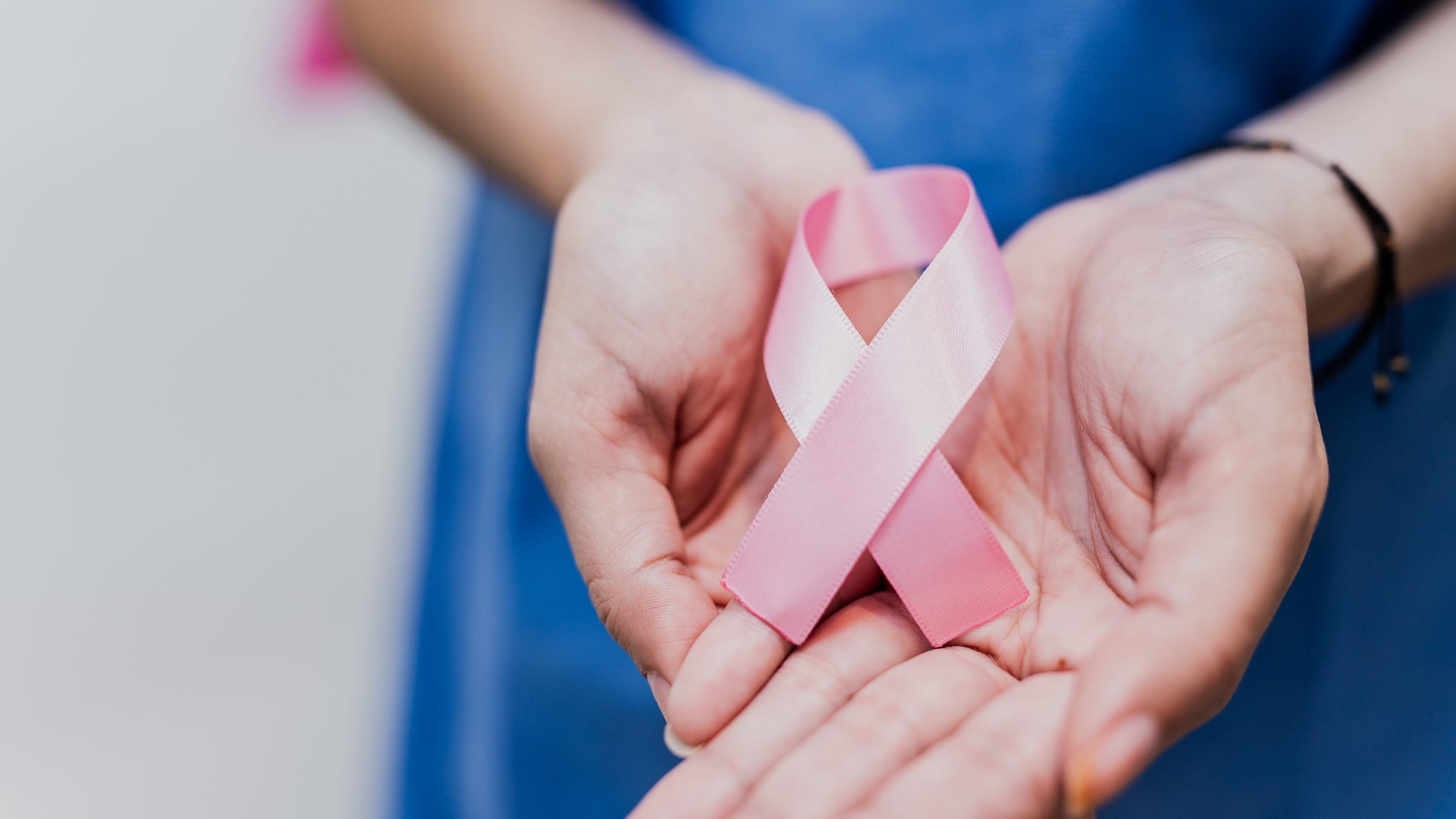
Firefighters are trained to face danger head-on, but sometimes the toughest battles happen away from the fireground. Cancer has become one of the leading occupational risks in our profession, with far too many of our brothers and sisters receiving diagnoses that change their lives forever.
For me, that reality became personal in late 2019, when I was told I had breast cancer. At the time of my diagnosis, after nearly 20 years with Vancouver Fire Rescue Services, I suddenly found myself facing a fire I couldn’t see or control – one that would test my strength, resilience, and support system in ways I never imagined. When I started, I felt invincible, just like many young and fit people do. Over time, I met many firefighters who faced cancer. Some survived, others didn’t. I never pictured myself in their place until I had to.
That day was Dec. 10, 2019.
A few months before, I went for only my second mammogram ever. I had my first at 41, but then, like many people, I got busy and put it off, even though the BC Cancer Agency kept sending reminder cards. That September, I finally made the appointment and went the next week.
The Diagnosis Journey Begins
About a month later, I received a notice that they wanted to look into things further. I wasn’t too worried because I knew mammograms can be hard to read for people with dense breast tissue. I used to joke that mine were more muscle than breast, but after losing one, I realize that’s not true.
Then I had an ultrasound, followed by a biopsy of two areas that looked concerning. I still wasn’t too anxious because many people I knew had biopsies that turned out fine. I had no family history of breast cancer or any cancer, so I thought I’d be one of the lucky ones.
Then, in late November, I met with a locum doctor at my clinic, who said it was probably cancer and I would likely need a mastectomy. I’m not sure if those were his exact words, but that’s what I heard, and that’s when the fear set in.
Facing the Fear
On Dec. 10, I got the call to come in and see my family physician. She told me I had invasive ductal carcinoma. I left her office in tears with just one sheet of information, took time off work, and went home. I was devastated, but even through my tears, I found myself laughing and saying, “Of course it’s me,” instead of, “Why me?”
The thing with most cancers, including breast cancer, is you don’t really know what you’re facing right away. You need further testing, and sometimes even surgery, before you get the full picture. My doctor scheduled a bone scan and a chest/abdominal scan, though these aren’t routine for every case. Then I was referred to a cancer surgeon for the end of December.
Finding Strength in Partnership
But luck was on my side. The next day, I got a call offering me a cancellation spot with another breast surgeon. I later found out she was not only skilled but also an associate professor and chair of several BC Cancer breast surgical groups. Knowing this gave me some reassurance.
She carefully explained my options: lumpectomy or mastectomy. She reassured me that even if I’d gone for a mammogram the year before, it likely wouldn’t have detected the tumor any earlier – a thought that gave me some comfort. She also outlined why skipping the bone scan right away made sense, since it could reveal possible issues that might delay removing the cancer we already knew about. I chose to proceed right away. These were the decisions I made in partnership with my doctors, but I know they won’t be the same for everyone. That’s the reality of cancer – there is no one-size-fits-all path.
As a longtime Ironman triathlete, I had learned not to waste energy worrying about getting a flat tire on the bike when I was still only one kilometer into the nearly 4-kilometer swim. That lesson stayed with me. From the moment I was diagnosed, I made a conscious decision to take it one step at a time and not get lost in the “what ifs.” I threw myself into daily yoga and cycling. This was pre-COVID, so I still had access to hot yoga studios. I sweat out my stress, leaned into the breath, and stayed grounded in the present moment.
Surgery and First Signs of Hope
On Jan. 14, 2020, during a rare West Coast snowstorm, I had a single mastectomy of my left breast. I stayed one night in the hospital, then went home with two drain tubes and strict heart rate limits on activity. After two weeks, I was told the cancer hadn’t spread to my lymph nodes – the first real piece of good news.
Next up: meetings with radiation and chemo oncologists. My cancer sample was sent off for what I recall is called oncotype testing, which looks at the activity of certain genes in the tumor to predict the risk of recurrence and how effective chemotherapy might be. Two weeks later I received my score: 45. In this test, lower numbers mean less benefit from chemo, while higher numbers suggest a greater benefit. Mine meant I needed four rounds of chemo.
I cut off my long hair in preparation.
Then COVID hit.
Isolation and Inner Resolve
Just after my first round of chemo, the world went into lockdown. I became immunocompromised and isolated. I relied on friends and colleagues to shop for me and looked for quiet, remote places to walk my dog, who stayed by my side through everything. I walked every day, even when I was exhausted. That dog saved me in more ways than one.
After the first session, I went to every chemo treatment alone. This is a heartbreaking reality that many people still face during pandemic restrictions. We don’t talk enough about the extra trauma of going through illness in isolation.
Lessons Shared and a Call to Action
I’m sharing my story now because back then, I knew almost nothing about breast cancer. I didn’t ask the women I knew who’d faced it. Maybe I didn’t want to imagine myself in their position. Maybe I was just scared to ask. But now I am one of those women. And I want you to know what I wish I had known. Breast cancer will touch 1 in 8 Canadian women during their lifetime, and for firefighters, that number increases. In British Columbia, it represents nearly a third of all cancer diagnoses in women. Most cases are found in women over 40 – yet many of us, myself included, delay getting mammograms.
Please don’t.
My own path didn’t end with chemo. I was cleared to return to modified duty work in September 2020, but life had other plans. On the very day I was supposed to go back, I developed shingles – a condition that’s not uncommon after chemotherapy, when the immune system is still recovering. To make matters worse, it hit right in the middle of the heavy smoke season from U.S. wildfires.
Additionally, I was on hormone blockers for five years as a preventative measure. Estrogen blockers are used in breast cancer treatment because many breast cancers are fueled by estrogen, and blocking the hormone helps slow or stop the growth of these cancer cells. They reduce the risk of recurrence and improve survival in hormone receptor–positive breast cancers. However, they can also cause side effects such as hot flashes, joint pain, or bone thinning due to reduced estrogen levels.
Life doesn’t always play fair.
And yet, five years later, I’m still here. Still standing. Still out on my bike. Still laughing.
A Message for Every Firefighter
At 53, I’m proud and grateful to say I’m over five years cancer-free. That milestone isn’t just about me – it’s a call to action for every firefighter. Early detection saves lives. Cancer doesn’t care about rank, years of service, or gender. If my story inspires even one firefighter to schedule a screening, ask for help, or feel less alone in their fight, then sharing it is worth it.
We may not be invincible, but we are resilient. And together, we are stronger – in the firehall, on the fireground, and in the fight against cancer.