Frugal and thrifty approaches can stretch your dollar, while cheapness may strain your relationships
This article originally appeared in the Fall 2022 issue. View the full issue here.
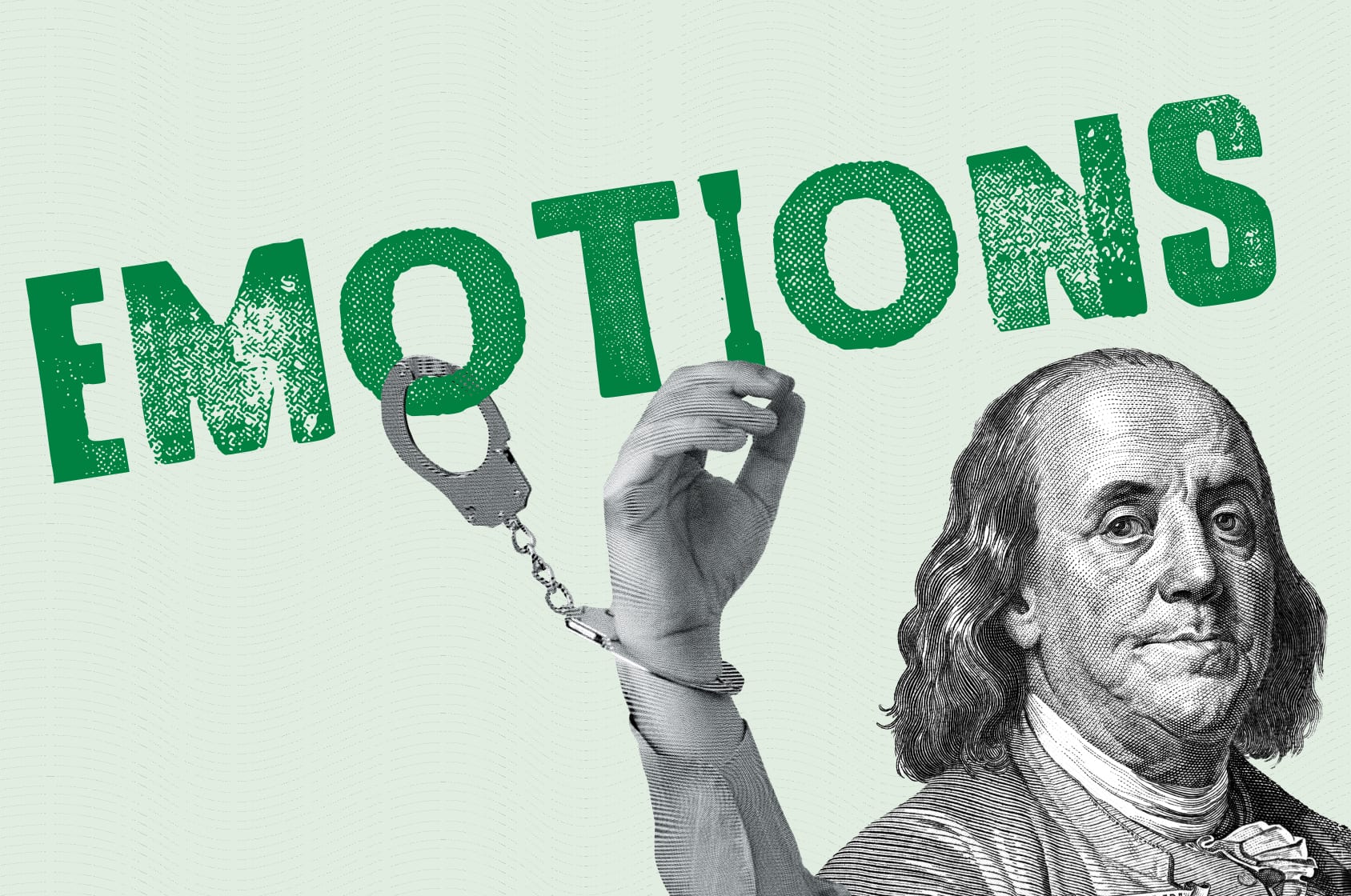
In a time of skyrocketing inflation when food, real estate and gas prices are soaring, it’s important to have a spending strategy. But the question is: are you thrifty, frugal or just plain cheap?
Please don’t tell me you’re the one who never steps up to buy a round, and always seems to have misplaced your wallet when the pizza’s being ordered. Do you have more than a few slices when it arrives anyway? Are you the one who’s always going to “get it next time?” Or when you pass a little group of cub scouts selling apples on the corner, is there never a cent in your pocket? Do you always forget to buy cards for special occasions? Do you turn up at dinner parties empty-handed when everyone else brings wine and flowers? Do you leave a tiny tip – or none at all – no matter how great the service has been?
Would any of these situations sound familiar to you? If so, the bad news is, you might just be … cheap. And that’s not a good thing. Give that possibility some thought – and we’ll return to it later.
On the other hand, being thrifty and frugal are both actually very good things.
Says Jeff Bezos, executive chairman of Amazon, “I think frugality drives innovation, just like other constraints do. One of the only ways to get out of a tight box is to invent your way out.”
Being frugal means thinking hard about every dollar you spend, to ensure you’re getting the most for your money. Buying a new vehicle? Do lots of research in advance. Dealerships aren’t offering any wiggle room on prices these days – the sticker price is pretty firmly glued onto those windshields – so the frugal shopper might consider buying a second-hand vehicle through a private sale instead. Having a trusted mechanic do an inspection of that car before making the purchase would be another frugal choice. In this case, spending a little upfront could save a bundle in unanticipated car repairs down the road.
Debra Pangestu, a well-known internet “frugalista” agrees. “Frugal living isn’t just about living as cheaply as you can. Rather, it’s about making mindful choices that allow you to save money so that you can pay off your debt faster and enjoy the small – and big – things in life.
How to Live Frugally
To live frugally, you just need to keep a simple personal finance mantra in mind: spend less than you earn. Achieving this can be done through a combination of rationalizing your spending and cutting your expenses in different areas of your life.
Checking online flyers for sales and making a shopping list before heading to the grocery store is a great frugal strategy. And making dinner at home and packing lunches for yourself and the kids isn’t just frugal, it’s healthier, too. Frugality doesn’t mean an end to take-out treats and junky pleasures, just a reasonable limit. If you have a take-out dinner only once a month, it will become a treat that everyone enjoys more.
Buying items like rice, pasta, pasta sauce, toilet paper, paper towels and facial tissue in bulk will not only save you money initially, but may also prevent those last minute oops-we’re-out-of-something dashes to the supermarket that always involve buying other things we weren’t planning to get.
Check your monthly subscriptions and cancel any you aren’t using. Hint: you might have signed up for more video services than you’re actually watching! Save on electricity costs by running the washer and dishwasher at non-peak times and hang your clothes to dry when possible.
Sometimes frugality means spending more initially to save in the long run. Rather than buying an inexpensive bike for your eldest child, for example, invest in a higher quality choice. With some reasonable maintenance, that bike will last through another couple of kids. We grew up with hand-me-downs and it didn’t kill us. Our kids will no doubt survive, too.
All About Thrifting
Thrifting is another great survival concept and one that’s even recently gained a certain caché. It’s not limited to surfing the racks at vintage clothing stores but takes us deep into the realm of online bargain hunting – and it’s fun!
Pandemic craziness gave us all a chance to assess our homes more closely than we would have preferred. Some of us discovered we’d been living with more stuff than we needed, so we used those quiet off-days at home to purge and sell the excess online.
Others took the opportunity to search for things they’d been meaning to look for but hadn’t had time. One late night Facebook Marketplace safari of mine turned up a whole set of silver flatware that matched our own, in perfect condition, for a ridiculously low price. The reason? It was engraved with the initial of the owner’s ex and she would have happily paid to have me take it away. (The initial happened, coincidentally, to be my husband’s so the fit was perfect!)
When we needed to replace the bookshelves in our bedroom, we looked at Wayfair, Ikea and Amazon, but instead saved several hundred dollars by opting for some found on Facebook Marketplace. An afternoon of painting and they looked almost as smart as we felt.
Often, thrifting doesn’t require a purchase at all but simply a repair or repurposing of something we already own. That may mean developing a new skill or two, like painting, basic carpentry or sewing. One day, I was walking beside a young colleague when a button popped off her shirt. I picked it up and handed it to her. “Well,” she groaned, “I guess that shirt’s ruined.” Seems she’d never learned to sew and simply threw things away when they needed repair. A two-minute lesson with a needle and thread changed all that and her shirt (and I hope many future pieces of clothing) avoided the donation bin or worse, the trash.
Successful thrifting means cultivating a love of serendipity. Who knows what you’ll find or what you’ll make of it? One thing’s certain. No one else will have it! And everything you find will come with a story, not simply an Amazon box and some air-filled packing pods.
The Difference Between Frugal, Thrifty and Cheap
So to recap: being frugal and thrifty are good, but being cheap is not. What’s the distinction? It has far more to do with your attitude toward others than your access to funds. Being careful with your cash to make sure it works as hard as possible for you and your family makes sense. Being unwilling to share your resources with others, while happily taking theirs, makes for hard feelings. It’s that simple.
If you truly can’t afford to buy your round at the pub or bar, don’t go until you’ve saved a bit of cash. When the pizza is ordered, throw in your fair share or say you’re trying to drop a few pounds. Don’t eat what you haven’t paid for. Find inexpensive ways to be generous. Invited for dinner? Drop by the farmer’s market and pick up a $10 bouquet or, if possible, bring some flowers from your garden. Buy a case of reasonably-priced wine so you’ll always have something to take to a party or dinner. Share whatever you can, whenever possible.
In tough financial times, it’s important not only to conserve and economize but also to cultivate an attitude of abundance. While inflation may mean money is in shorter supply, creativity and resilience aren’t. Being grateful for and willing to make the most of all that we have is the best strategy for living a full and satisfying life.
This article originally appeared within the Fall 2022 issue. View the full issue here, or browse all back issues in the CRACKYL Library.