
Dr. Virginia Loewenstine, CEO and medical director of Tristate Preventive Health, answers your questions
Q: How is a prostate exam done, and how quickly can I expect to get results and feedback?
A: The prostate gland is unique to males and its purpose is to provide seminal fluid that nourishes and transports sperm during ejaculation.
This gland is normally the size of a walnut and is located internally beneath the bladder. It can be felt through the wall of the rectum. The urethra, the tube through which urine and semen exit the body, passes through this gland and hence, any enlargement or inflammation of the prostate gland can have an effect on urination and/or ejaculation.
Prostate cancer is a real concern for men as they age, but if detected early, this cancer can be cured. Firefighters are at an increased risk of developing prostate cancer, so screening will usually begin at an earlier age rather than at the screening age recommendations for the general male population (i.e., age 40 versus age 50). Make sure your department is doing prostate cancer screening as part of your annual physicals!
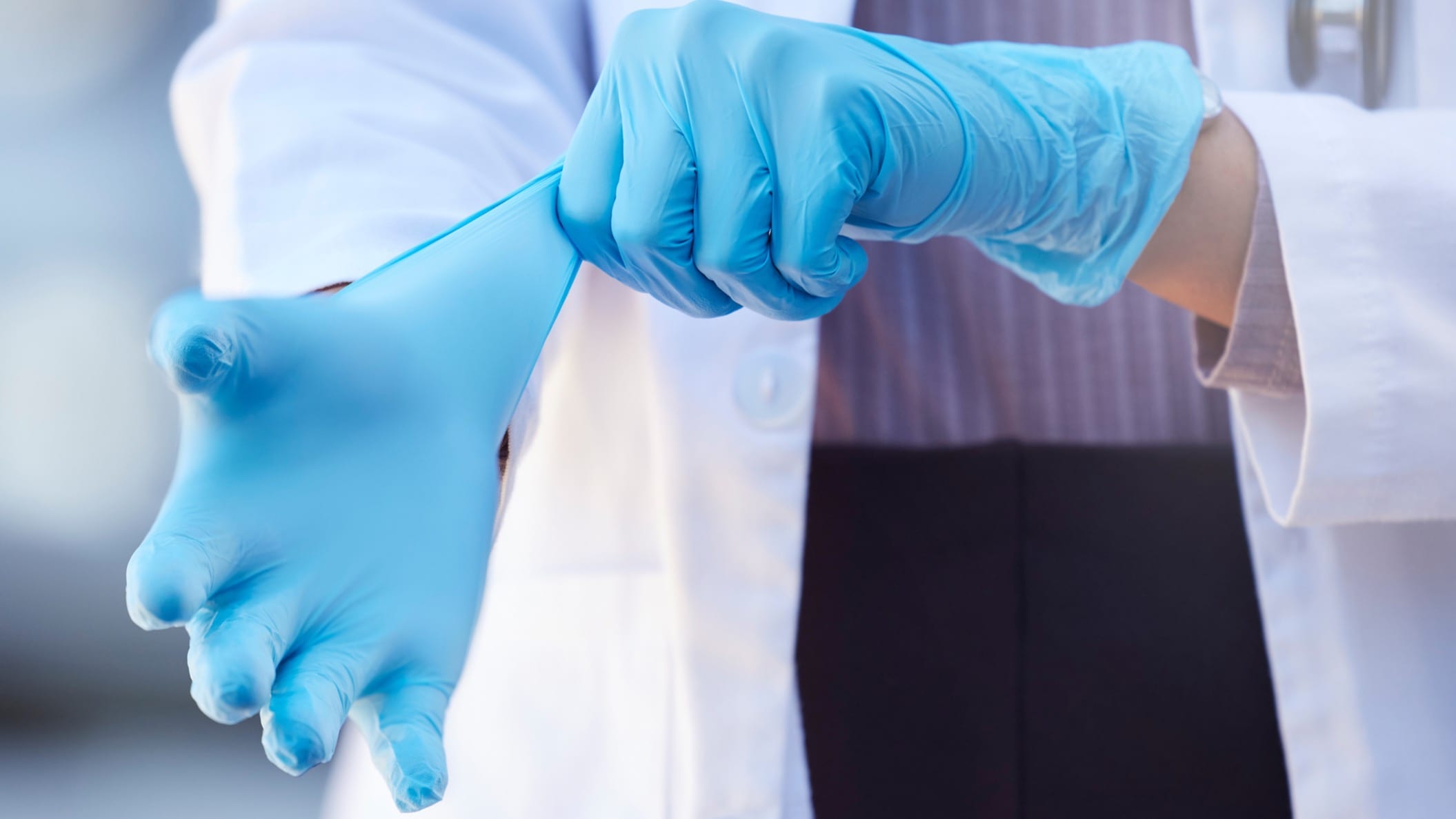
There are two parts to a prostate exam. The first is a digital rectal exam (DRE), where a healthcare provider inserts a lubricated, gloved finger into the rectum to feel the prostate gland. This exam allows the clinician to immediately assess size, texture, and any abnormalities, such as masses, that may need further workup.
Part 2 includes a blood test for the antigen tumor marker known as prostate-specific antigen (PSA). Results are known in a few days and any elevations would be addressed by the healthcare provider, oftentimes a urologist. He or she will then recommend either following the results with repeat testing or advising that further testing be done to rule out prostate cancer.