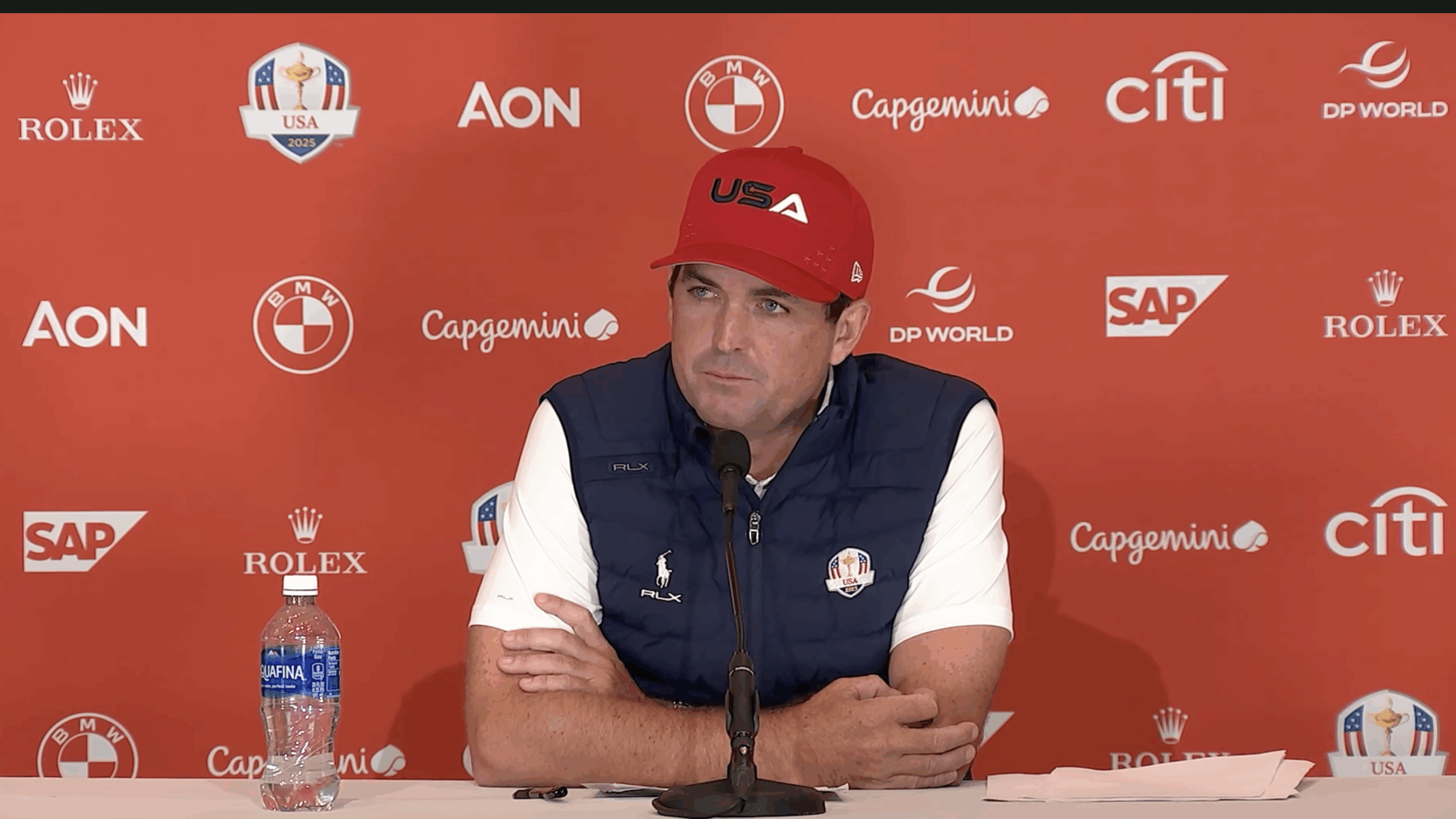
U.S. Ryder Cup Captain Keegan Bradley announces six captain’s picks to complete the 2025 United States Ryder Cup team.
The Ryder Cup is a biennial, three-day men’s professional golf competition featuring 12 players from the United States against 12 from Europe. Selection to either team is one of the highest honors in golf. It is set to begin later this month (Sept. 26-28).
Last week, U.S. Ryder Cup Captain Keegan Bradley, ranked 11th in the world, demonstrated true selfless leadership in his team selections. With a season strong enough to justify choosing himself as a player-captain, many pundits predicted he would do just that. Instead, Bradley announced his six captain’s picks and left his own name off the list.
“It broke my heart not to play. It really did,” Bradley said. “I was chosen to do a job and be a captain for this team, and my ultimate goal was to be the best captain I could be. This is how I felt I could do this. If it got to the point where it felt the team was better with me on it, I was going to do that. I know 100% for certain that this was the right choice. These six guys played so incredibly coming down the stretch here and made my job so much easier.”
Selfless Leadership in Action
By prioritizing the team over himself, Bradley reinforced what leadership is all about: making tough decisions for the greater good. There should be no doubt that as a leader, Keegan prioritized team performance and results over personal benefit and ego.
Sadly, today, too many employees are trapped in organizations plagued by toxic leadership that does not understand true leadership. Characteristics of toxic leadership include the abuse of power, self-centered leaders, poor communication, and a decline in morals and ethics. Prioritizing policies and programs that personally benefit the leader often leads to a hostile work environment, where managers and subordinates who express opposition are marginalized.
Arrogance, dishonesty, insecurity, and the need to twist narratives are traits common among too many appointed and elected officials. Although the toxicity is readily identifiable, in practice, it is difficult for subordinates to take responsible actions in the interest of the organization, fearing retribution. Toxic leadership can be infectious and spread to weak subordinates who are willing to compromise their integrity and morals in the interest of personal gain, rather than standing up for the organization’s best interests.
Toxic Leadership in the Fire Service
Sadly, the fire service, despite its noble mission, is not immune from elected or appointed leaders who prioritize their own interests and desires over the good of the department they purportedly lead. These leaders’ dishonest and arrogant behaviors are often tolerated by the community for a time because of the outstanding performance of the women and men responding to the community’s calls for assistance.
A constant, regardless of the political party in power, the fire chief, or the fire commissioner’s political aspirations, is that when the alert sounds, firefighters and emergency medical personnel will respond, operate, and ensure the organization looks good. The stock-in-trade of toxic leaders is to conflate the lifesaving work of the troops with their own.
Research confirms that clinical depression, anxiety, sleep disorders, hypertension, and increased cardiovascular risks are among the long list of physical and mental health challenges faced by employees impacted by toxic leadership. Studies further confirm that the organization will suffer. Absenteeism will rise, turnover rates will increase, productivity will decline, and quiet quitting will become prevalent.
Fire Chiefs – for the good and welfare of your organization and your people, lead like Keegan!
Note: The 45th Ryder Cup will take place at the Bethpage Black Course in Farmingdale, N.Y., from September Sept. 26-28. U.S.A.!
Currently assigned to the Bureau of Fire Operations, Chief Joe Jardin formerly served as the Chief of Fire Prevention and FDNY’s Chief of Safety. With more than 38 years of service with the FDNY, much of Joe’s career was spent in Rescue Operations as a Firefighter, Lieutenant, Captain and Battalion Chief in the Rescue Battalion.