
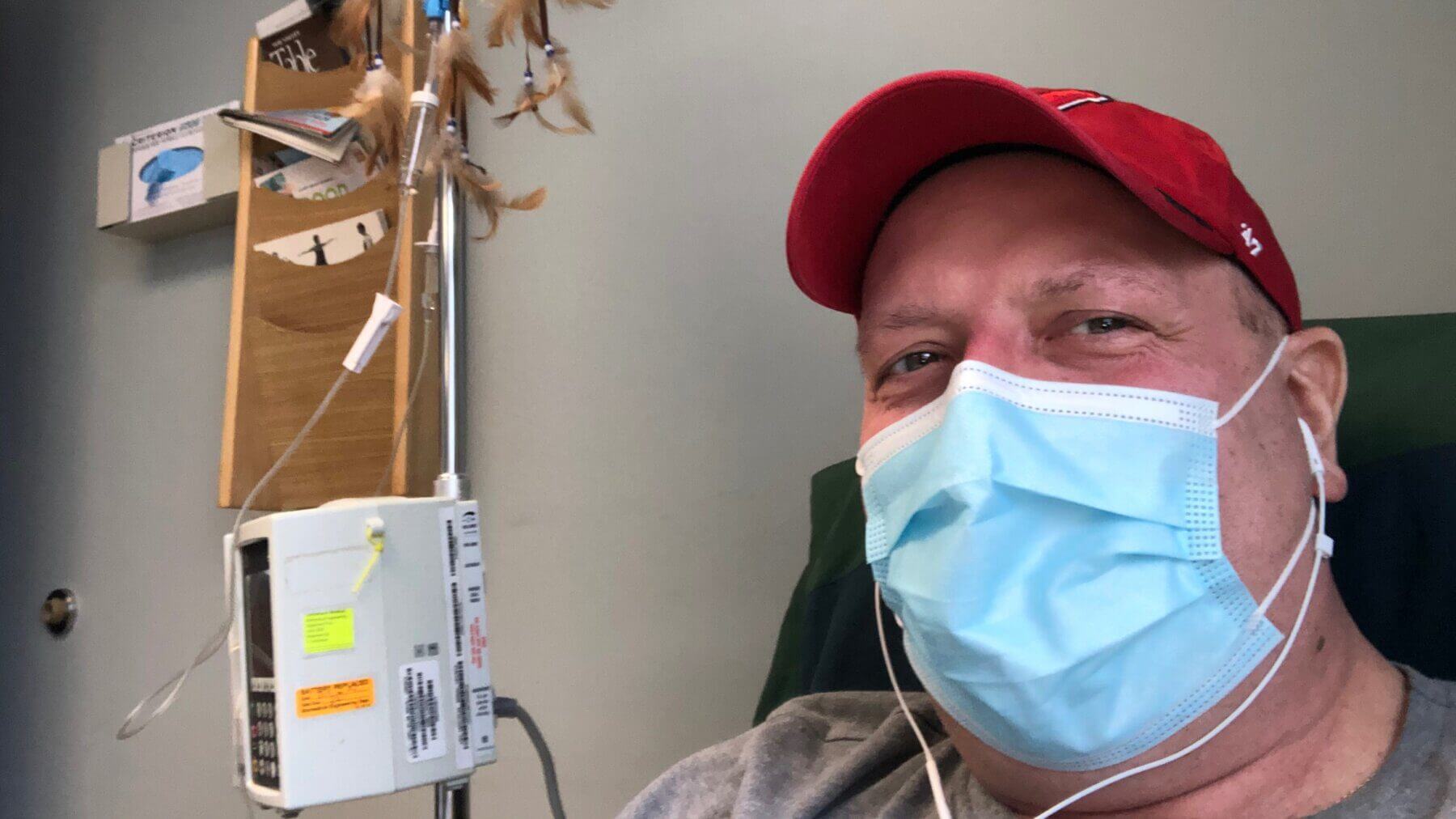
Tom Murphy is a three-time testicular cancer survivor.
There will be people who make your battle tougher … They will not understand the concept of ‘scanxiety’ and what it does to you. Avoid these people
By Tom Murphy
One in four firefighters will be diagnosed with cancer. Like a cardiac event, a firefighter will almost certainly know a firefighter diagnosed with cancer. The disease does not discriminate. Age, race, sex, or department size do not matter; cancer can affect you.
You may ask, who is this guy? I am a three-time testicular cancer survivor. I was diagnosed on July 10, 2014, and on my five-year scan, it returned and took my other testicle. Though I was lucky as both tumors were the size of a grain of rice, cancer still took both my testicles. Following the second surgery, I was placed onsurveillance, and during the second CT scan in the fall of 2020, a spot was found in a lymph node in the area of the second tumor. I have had two surgeries, 19 CT scans, one round of radiation, one course of chemotherapy, one PET scan, one blood transfusion, and more than 75 blood draws. It changes you, but that is OK; you have been to hell and back.
Positivity IS Powerful
A positive mindset is of the utmost importance. You may struggle to be positive, even after remission. It is human to have these moments. You need to feel these moments, live in them for a short period, and get back to being positive. Try to minimize the negative thoughts. I have been told throughout my journey how impressive my positive mindset and outlook have been. It was vital for me.
Surround yourself with people who are positive and encourage your positivity. You will learn who your people are through this process. They will know when your appointments and tests are and what they do to you, and feel what you are feeling. They will know what to say and will encourage you to stay positive.
Setting goals is an important part of your journey; your people will help and encourage you to do that. The goals help with positivity. During chemotherapy, I set two goals. The first was to walk across the stage to receive my diploma for my MPA from Marist College on May 30, 2021, and the second was to return to work, which I did on June 21, 2021. Remember, positivity!
There will be people who make your battle tougher. It is just who they are. They bring negativity to you. They will not understand the concept of “scanxiety” and what it does to you. Avoid these people. It is OK to tell them to stop and to avoid them. You do not need a battle with negativity. If they get to you, don’t take it personally, just move on. Remember, positivity!
There will be people who make your battle tougher. It is just who they are. They bring negativity to you. They will not understand the concept of “scanxiety” and what it does to you. Avoid these people. It is OK to tell them to stop and to avoid them. You do not need a battle with negativity. If they get to you, don’t take itpersonally, just move on. Remember, positivity!
Family Matters
Your family is a source of support, but it may be difficult at times. They want to help, and that’s good. Helping you may be their way of coping with your illness, so it is OK to let them. It is good to let them in, but at the same time, it is OK to protect them. Just never lie to them. If you need time, it is OK to tell them when you are ready. All the decisions are yours to make, and you need to be comfortable with them. Remember to set boundaries with them, and let them know if and when it is OK to tell others what is going on. It is imperative to tell them your wishes.
Your support does not and should not be just your family. However it works for you, it needs to be in place. These need to be people you trust fully. Talk to them, and explain what you need and expect from them. Each person will fill a role for you. Figure out their role and let them fulfill it. These should include the people who will go to doctor appointments and tests with you. Before you go, sit with them and make a list of questions to ask the doctor, and then afterward talk to them to get their opinion and feelings on how things went. Try and take the same person when you meet with your doctors, it will provide consistency. You need to be comfortable and OK with these people hearing potentially life-altering news with you.
There will be times when it is overwhelming. To deal with this, know who you can say yes to and for what. It can be as simple as yes you can make me dinner or, in my case, brownies made by a friend’s mom that tasted delicious when nothing tasted good.
Taking Care of Your Mind and Body
You will struggle both physically and mentally. This is part of the process. You are basically poisoning your body to beat the disease; as the saying goes, “If the disease doesn’t get you, the cure will.” There may be times when you are isolated from others and stuck by yourself for days on end. From experience, I can tell you this is the toughest time for your mental health. Do not allow yourself to be stuck in this spot for long. Be positive! If physically you can do something, get up and do it, and get your blood flowing. Lack of movement can lead to other complications, so develop an exercise regimen, even a simple one. Make sure you listen to your body. If you are tired, then rest. You need all your strength for the fight.
As you look for doctors, you need to look for:
- A good, knowledgeable doctor
- A doctor you trust
- A doctor you like
You will see them a lot. Your life is in their hands. Trust is paramount. You need to be comfortable with them. You will know quickly if you like them and whether you will be comfortable with them. Getting other people’s opinions and thoughts is OK, but the decisions are yours. If you want a second opinion, then get one.
It is important to know where the cancer specialists are. I am lucky to live within three hours of several world-renowned cancer centers. Get to know the nurses, and always be nice to them. They are the gatekeepers, and you will deal with them more than the doctor. They remember if you were a nice, co-operative patient. Once treatments are over, make sure you go to your follow-up appointments and tests. I know it gets old and hard; my journey has lasted 10 years and will continue for another three years.
Advocate for Yourself
You need to advocate for yourself. This is important to understand. There may be times when you need to fight to get an appointment or certain tests. Do It! Always listen to your gut; you know your body best. Remember, “scanxiety” is real, and it is OK to feel it. The scans are there to help find issues and allow you and your providers to formulate a treatment plan. Always take someone you trust with you to your follow-up appointments. A second set of ears is always better; a lot of information is being provided to you, and can be a lot to process.
Hopefully, you never have to go through this, however, if you do remember to: Stay positive.
Go to your appointments and get your scans.
Ask questions.
Know you are loved.
Fight the good fight.