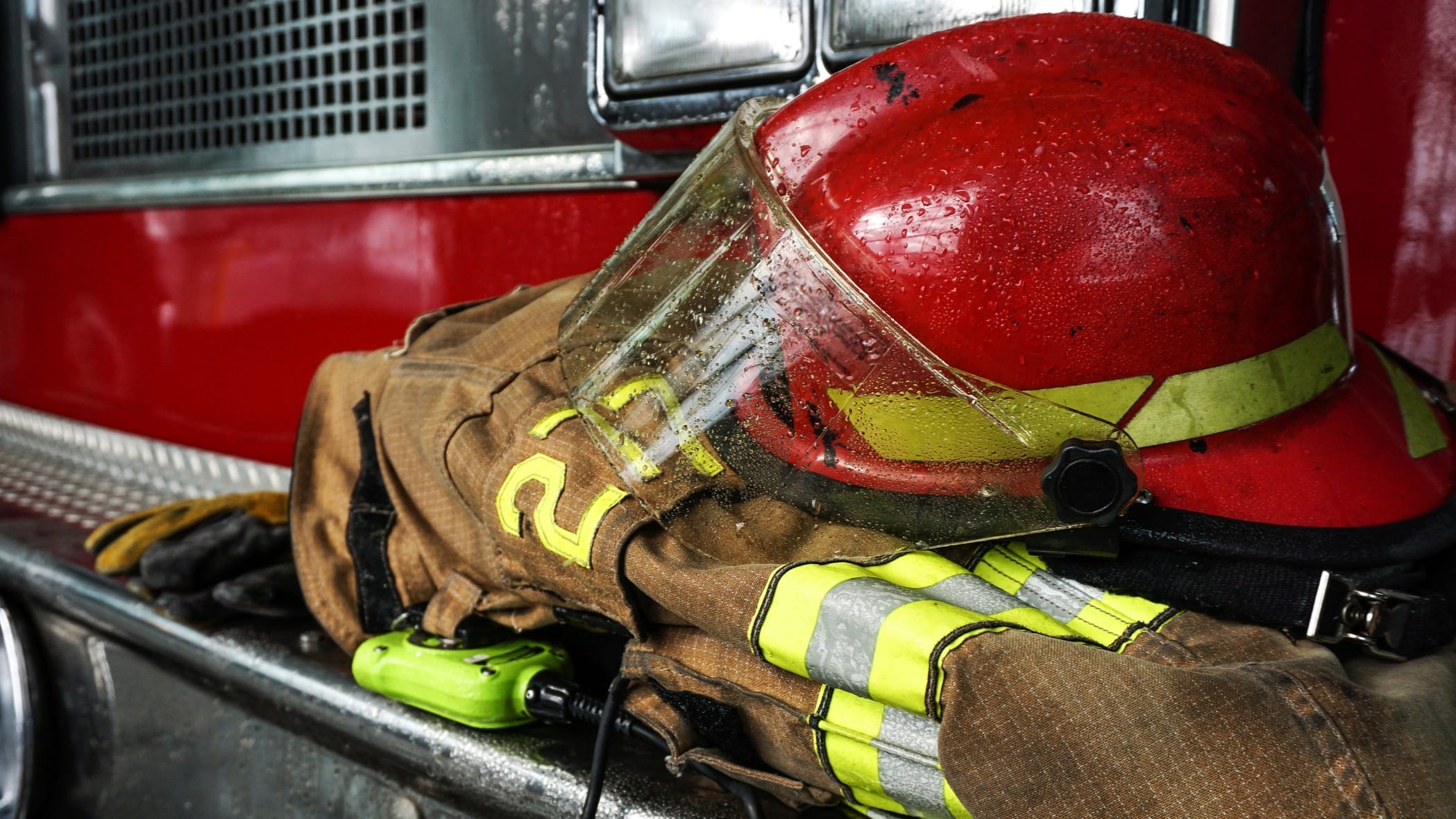
Behind the sirens, turnout gear, and endless calls for service, there’s a quieter story unfolding in the world of first responders – one rarely talked about but deeply felt: the emotional weight carried home after every shift. Firefighters, medics, police officers, and dispatchers are trained to face chaos head-on. But when the shift ends, there’s no manual for unpacking what they’ve seen, heard, and felt.
That gap – between serving and being supported – has existed for years. And while countless clinicians and peer supporters have tried to close it, many responders still describe the same frustration: therapists who mean well but don’t understand their culture.
That frustration is what sparked Helping the Helpers: The Clinician’s Guide to First Responder Mental Wellness, a groundbreaking new resource co-authored by Lt. David Dachinger (Ret.), Bonnie C. Rumilly, LCSW, EMT-B, and Dr. Stacy Raymond, PsyD. But the book didn’t start as a book.
The Moment Everything Shifted
It began in May 2024 during a podcast team meeting for Responder Resilience. As co-host and retired fire lieutenant David Dachinger recalls, “We kept hearing story after story from first responders about clinicians who just didn’t get it. They’d walk into therapy carrying years of trauma, only to leave feeling more misunderstood than before.”
That disconnect ran deeper than anyone realized. Each responder specialty – firefighters, EMS, dispatchers, police, even wildland crews and investigators – comes with its own culture, language, and unique pressures. “Even between shifts in the same department, the dynamics change,” David explains. “Traditional therapy models weren’t built for that.”
Dr. Stacy Raymond, a clinical psychologist specializing in trauma and responder mental health, remembers the moment she realized how much knowledge they had collected through the Responder Resilience podcast:
“We had all these pearls of wisdom – hundreds of conversations with experts, responders, and leaders. David said, ‘We should make this into something people can keep at their fingertips.’ That’s when we knew the book had to happen.”
For Bonnie C. Rumilly, a trauma therapist and EMS veteran, the decision came gradually but felt inevitable. “Through my work with the Fairfield County Trauma Response Team, I kept seeing the same thing,” she says. “There just weren’t enough culturally competent clinicians out there. We had the experience, the conversations, and the platform – it was time to do something bigger.”
Turning Hundreds of Conversations Into One Voice
The team had no shortage of material. Between the podcast archives and their combined decades of field and clinical experience, they had insights from more than 200 interviews to draw from. But translating those conversations into a book that could speak to everyone – clinicians, peer supporters, leaders, chaplains, families, and first responders themselves – became the project’s biggest challenge.
David admits it was overwhelming at times: “What started as a 40,000-word draft exploded into 80,000 words before we knew it. There was so much wisdom to capture, but we had to be intentional about what made it into the final book.”
For Stacy, the hardest part was confronting the stakes of getting it wrong:
“An unprepared clinician can unintentionally do harm. We’ve heard firsthand from responders who felt judged, retraumatized, or completely misunderstood. We wanted to give professionals the tools to earn trust and actually help.”
Bonnie agrees, adding that leaving powerful stories on the cutting room floor was painful. “Every guest brought something valuable, and so many were vulnerable,” she says. “But ultimately, we focused on what responders and clinicians needed most – actionable tools, cultural understanding, and compassion without judgment.”
More Than a Book – A Bridge
What emerged is something rare: a resource that finally bridges two worlds – clinical care and responder culture. The book tackles the hard questions clinicians face when working with first responders:
- How do you build trust with someone trained to suppress emotion?
- What makes responder trauma different from the general population?
- How do families, leaders, and peer teams influence recovery?
- How do you navigate PTSD, moral injury, and burnout without losing credibility?
But it isn’t just for clinicians. For firefighters, medics, officers, and dispatchers, Helping the Helpers validates what many have silently carried for years: your struggles are real, you are not alone, and help exists that understands your world.
A Call for Cultural Change
Beyond its clinical strategies, the book carries a bigger mission: shifting the narrative around mental health in the fire service and beyond.
David hopes it sparks a culture where seeking help is seen as strength, not weakness. “First responders are trained to put everyone else first,” he says. “But carrying the weight alone has consequences. This book is about normalizing conversations, breaking stigma, and building systems where wellness isn’t an afterthought.”
For Stacy, the goal is simple but critical:
“Cultural competence shouldn’t be optional. Responders deserve clinicians who get their world – their culture, their language, their reality.”
And Bonnie sees it as an opportunity to close gaps that have been ignored for too long. “First responders are taken for granted until the moment we need them,” she says. “We need to return that support by making sure they have access to proper care, real resources, and professionals who actually understand their experience.”
The Resource First Responders Have Been Waiting For
Helping the Helpers blends lived experience, clinical expertise, and hundreds of real-world stories into one powerful guide for those caring for – and working alongside – first responders. It equips clinicians with practical tools, empowers leaders to create better wellness systems, and gives responders permission to heal without shame.
This isn’t just a book. It’s a movement toward understanding, compassion, and resilience in a profession where too much has been left unspoken.
Because when we take care of the people who answer the call, we strengthen the entire system.
Helping the Helpers: The Clinician’s Guide to First Responder Mental Wellness
By Lt. David Dachinger (Ret.), Bonnie C. Rumilly, LCSW, EMT-B, and Dr. Stacy Raymond, PsyD
Release Date: Oct. 1, 2025
> Learn more and order here
> Paperback on Amazon>** eBook on Amazon****>** For bulk orders: info@ResponderTV.com