
Last week, not far from my home on Long Island, a tragic incident occurred involving an MRI (magnetic resonance imaging) machine. A 61-year-old man entered the MRI room to help his wife after her scan. He was wearing a heavy metal chain, and as he stepped into the room, the powerful magnetic field pulled him in. He was pinned against the machine and later died from his injuries.
Incidents like this are rare but not unheard of. I recall reading about MRI hazards years ago in Firehouse and Fire Engineering magazines. I even recall on one of my promotional exams having a question about responding to a fire in a room with an MRI machine. But for most firefighters, that’s the extent of our training on this issue. The reality is that MRI suites pose a significant and often-overlooked hazard to first responders. Without proper awareness, a routine emergency can quickly turn deadly.
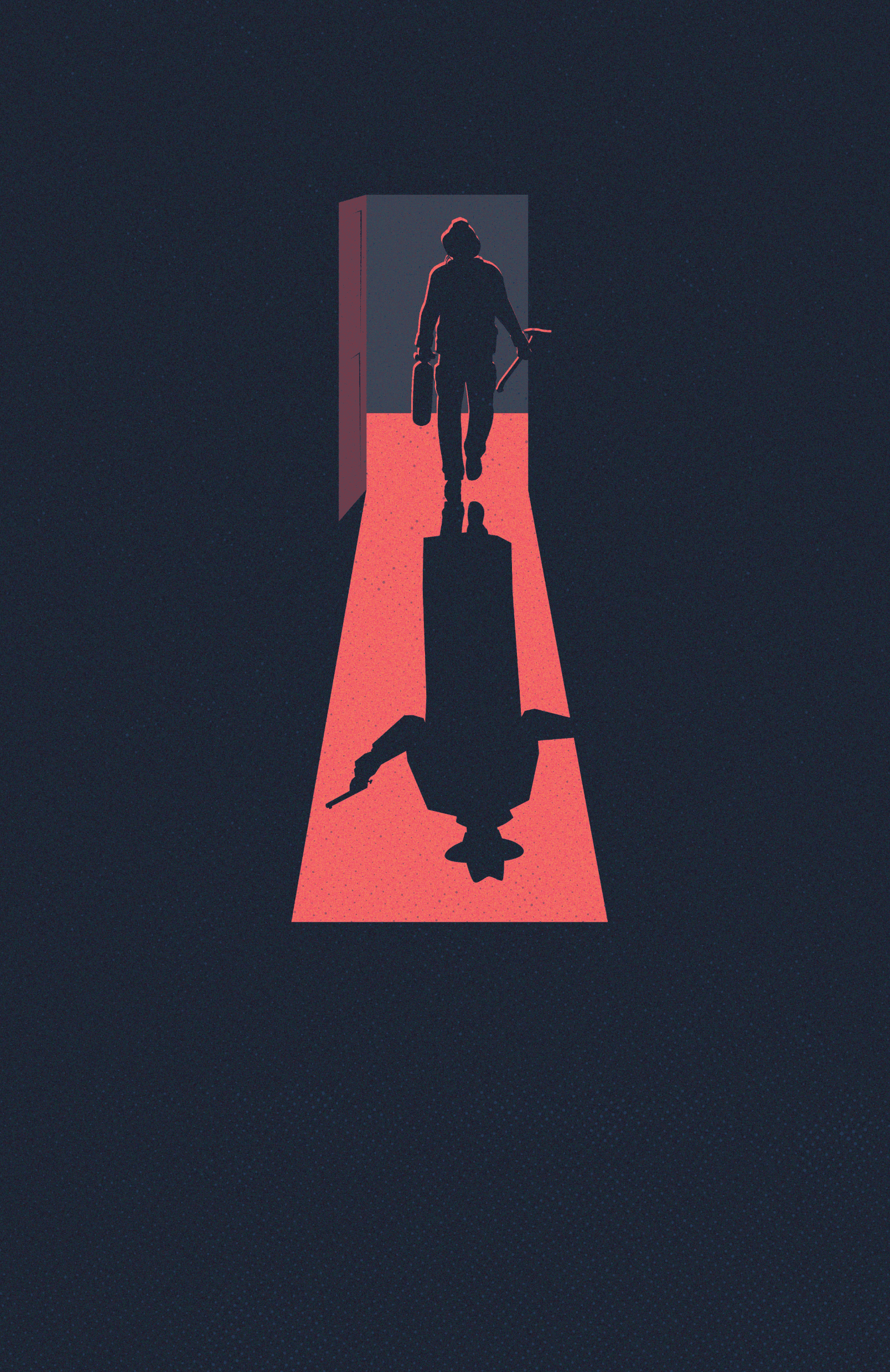
Unlike most hospital equipment, MRI magnets are never turned off. They operate continuously, 24 hours a day, seven days a week. The magnetic field they produce is powerful enough to turn metal objects into deadly projectiles. Inside the MRI room, common firefighting gear such as SCBA cylinders, axes, Halligan bars, and even turnout gear with metallic components can be violently pulled toward the machine’s bore. For EMS responses, the hazard is just as critical – stretchers and other medical equipment with metal parts cannot be brought into these rooms. This phenomenon, known as the “missile effect,” can occur without warning and result in devastating consequences.
In February 2023, a nurse in a California hospital was seriously injured in a similar incident. While preparing a patient for a scan, she was moving a metal hospital bed near the MRI room. Normally, the door between the prep area and the MRI suite remains closed, but that day it was left open. The bed was suddenly pulled into the room, pinning her between it and the machine. The impact caused significant injuries and underscored how routine activities can become dangerous when magnetic safety protocols are not followed.
These incidents are not isolated. In July 2001, a six-year-old boy was killed when a metal oxygen bottle was brought into an MRI suite and violently pulled into the machine while he was inside.
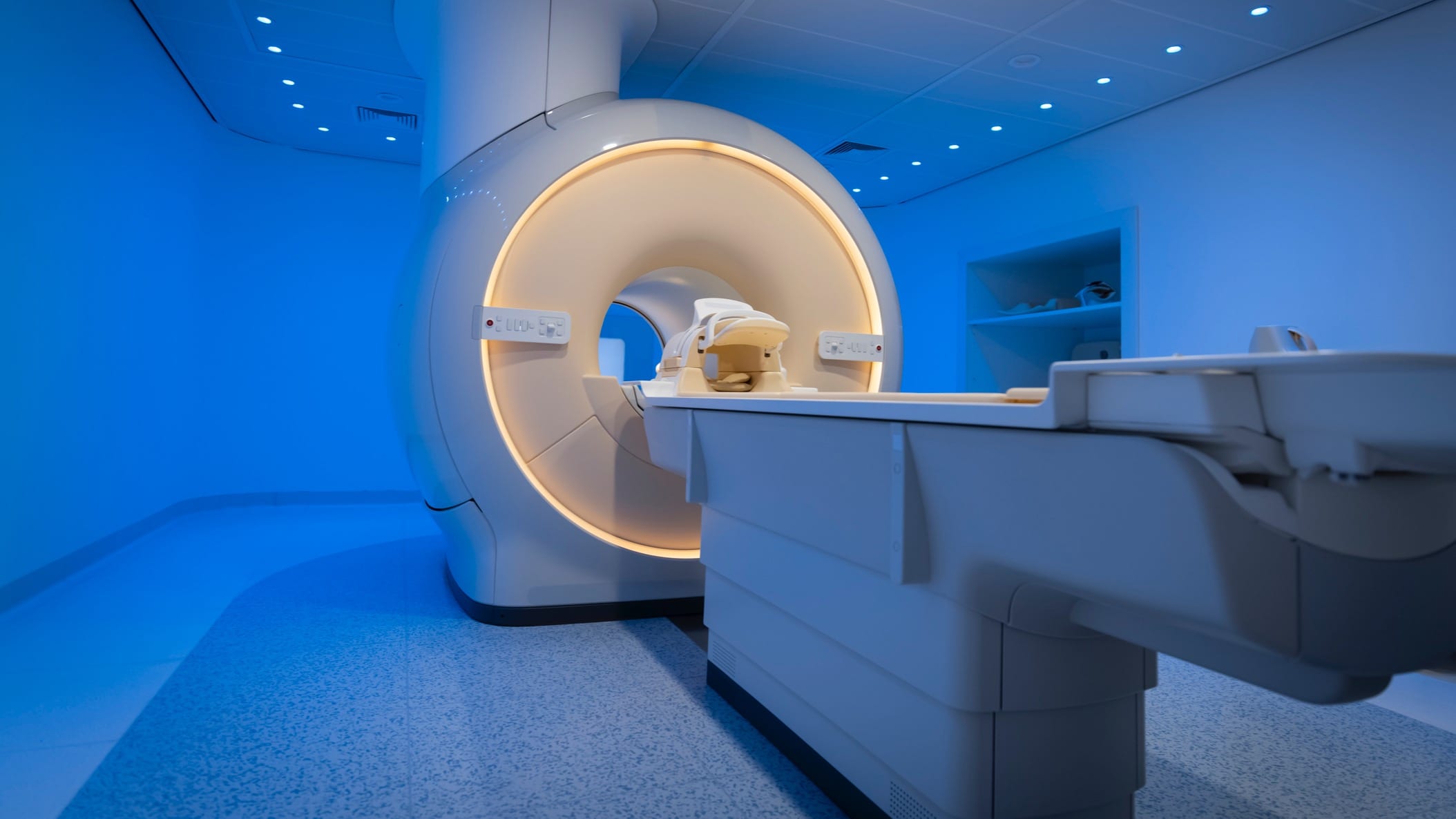
The design of MRI machines adds to the challenge. Most are large, cube-like structures about seven feet tall, seven feet wide, and ten feet long. At their center is a circular tunnel, or bore, where patients are positioned for imaging. The powerful magnetic field surrounding this bore is invisible, silent, and always active. Responders entering this area with ferromagnetic tools or equipment may unknowingly create catastrophic risks.
Deactivating the magnet is not simple. A process called quenching rapidly releases cryogenic gases to shut down the magnetic field, but this can create secondary hazards such as oxygen displacement or frostbite. It is also extremely costly and should only be performed in a true life-threatening emergency by trained personnel.
The safest approach for firefighters is prevention through preparation.
Crews should incorporate MRI awareness into pre-incident planning during hospital tours. Understanding the layout of facilities and knowing the location of MRI suites enables responders to make safer decisions in emergencies. Clear communication with hospital staff is also crucial. MRI technologists and safety officers are trained to manage these hazards and can provide critical guidance.
When responding near an MRI facility, firefighters must treat the entire area as a potential hazard zone. Entry into the MRI room should only occur after the magnet’s status has been confirmed, and no ferromagnetic equipment should be brought inside. Even radios, flashlights, or helmets may contain metal components that can become dangerous in a magnetic field. By recognizing the invisible hazards of MRI machines, firefighters can ensure their safety and maintain the highest standard of care during hospital-based responses.