Firefighters are not known for subtle lifestyle changes. We are an all-in profession. When we commit, we commit hard, whether it’s to a job, a crew, or a habit we swear we’ll quit “after this next shift.” Food culture in the fire service reflects that mindset: big portions, hearty meals, bacon, sausage, Italian subs the size of a forearm, hot dogs on the grill, and whatever can be eaten fast between calls. Calories were fuel, and more was always better.
That was my mindset for nearly three decades in the fire service.
I was a salty, over-50 firefighter who ate bacon and processed meats like they were going to disappear tomorrow. Italian subs were a food group. Sunday brunch meant smoked bacon, eggs, and whatever else landed on the plate. I wasn’t reckless, I trained hard, stayed operational, consistently passed my physicals, and met the standards of the job, but I carried extra weight, chronic inflammation, and the assumption that slowing down was just part of getting older.
A Wake-Up Call in Lockdown
Then COVID hit.
Like everyone else, we watched just about anything during lockdown. One night, a couple of crew members – guys I trusted and usually busted chops with – asked me to watch a Netflix documentary called Forks Over Knives. I agreed, mostly so I could make fun of it later. I had no intention of changing anything. This wasn’t going to turn me into someone releasing lobsters back into the ocean or preaching ideology.
What I didn’t expect was that it would change my life.
This isn’t about saving animals or labels. It’s about outcomes. I didn’t go into this wanting to be “plant-based.” I went in skeptical. But the science stuck. The connection between processed foods, excess animal fats, inflammation, cardiovascular disease, and long-term health wasn’t presented as a theory, it was presented as physiology.
For the first time, I started thinking about dieting the same way I thought about PPE, rehab, and training: risk management.
That mattered, because I was not sedentary – far from it.
Training Hard, Fueling Poorly
I trained hard throughout my career. Hell, I did the Combat Challenge for much of the younger part of it. I lived for circuits in the apparatus bay – hose line drags, stair climbs, dummy carries, sled pushes, improvised workouts with whatever we had. On off days, I was in the gym. Every day. Into my 50s. Training didn’t stop until the day I retired.
And I still miss those bay circuits.
Here’s the truth: I was out-training a bad diet for years … until I wasn’t.
You can be strong and still be inflamed. You can be conditioned and still be stacking long-term cardiovascular risk. You can pass physicals and competitive events and still be running a powerful engine on dirty fuel.
During COVID, that realization hit differently. Retirement was no longer abstract. I had spent decades accepting risk for the job. What I hadn’t fully examined was the risk I was carrying into retirement. Heart disease, diabetes, joint degeneration, and chronic inflammation don’t announce themselves with sirens. They accumulate quietly.
So, I made a decision, not a declaration.
Small Shifts, Big Changes
I didn’t swear off everything overnight. I didn’t announce a crusade. I made a conscious effort to control what I ate and how much. Portions mattered. Ingredients mattered. Frequency mattered.
Exercise stayed exactly where it belonged: front and center.
Diet didn’t replace training; it finally supported it. Recovery improved. Joint pain faded. Energy stabilized. Strength didn’t disappear – it improved. Endurance followed. My focus sharpened. I wasn’t just lighter, I was more efficient.
The scale told one story: 57 pounds gone.
My body told another: leaner, stronger, faster recovery, better sleep, and fewer aches I had blamed on age.
Somewhere along the way, the guy who made fun of clean eating became the example. Not because I wanted to convert anyone, but because firefighters notice results. When gear fits differently, when stair climbs don’t crush you, when recovery improves, people ask questions.
Support Makes Consistency Possible
Support mattered. My wife had been a practicing vegetarian long before this, and that foundation helped. At work, my crew bought in – not to a diet, but to the idea that support matters. Nobody sabotaged meals. Nobody mocked the changes. That culture made consistency possible.
This was never about perfection.
I still live in the real world. I’ll still go hunting and fishing with you if I’m asked. This isn’t moral purity, it’s longevity.
My goal is simple: I want to live as long as I was a firefighter.
The hardest part wasn’t giving up steak or burgers. It was the rituals – Sunday brunch, smoked bacon, massive Italian subs, hot dogs at the station. Food tied to tradition is harder to change than food tied to convenience.
Yet, it does not have to be all or nothing.
That mindset stops more firefighters than a lack of willpower. If it can’t be perfect, it’s not worth doing. That’s nonsense. The job itself proves layered protection works. No single tactic saves a structure. No single habit saves a body.
Clean eating works the same way.
The One Piece of Gear You Keep Forever
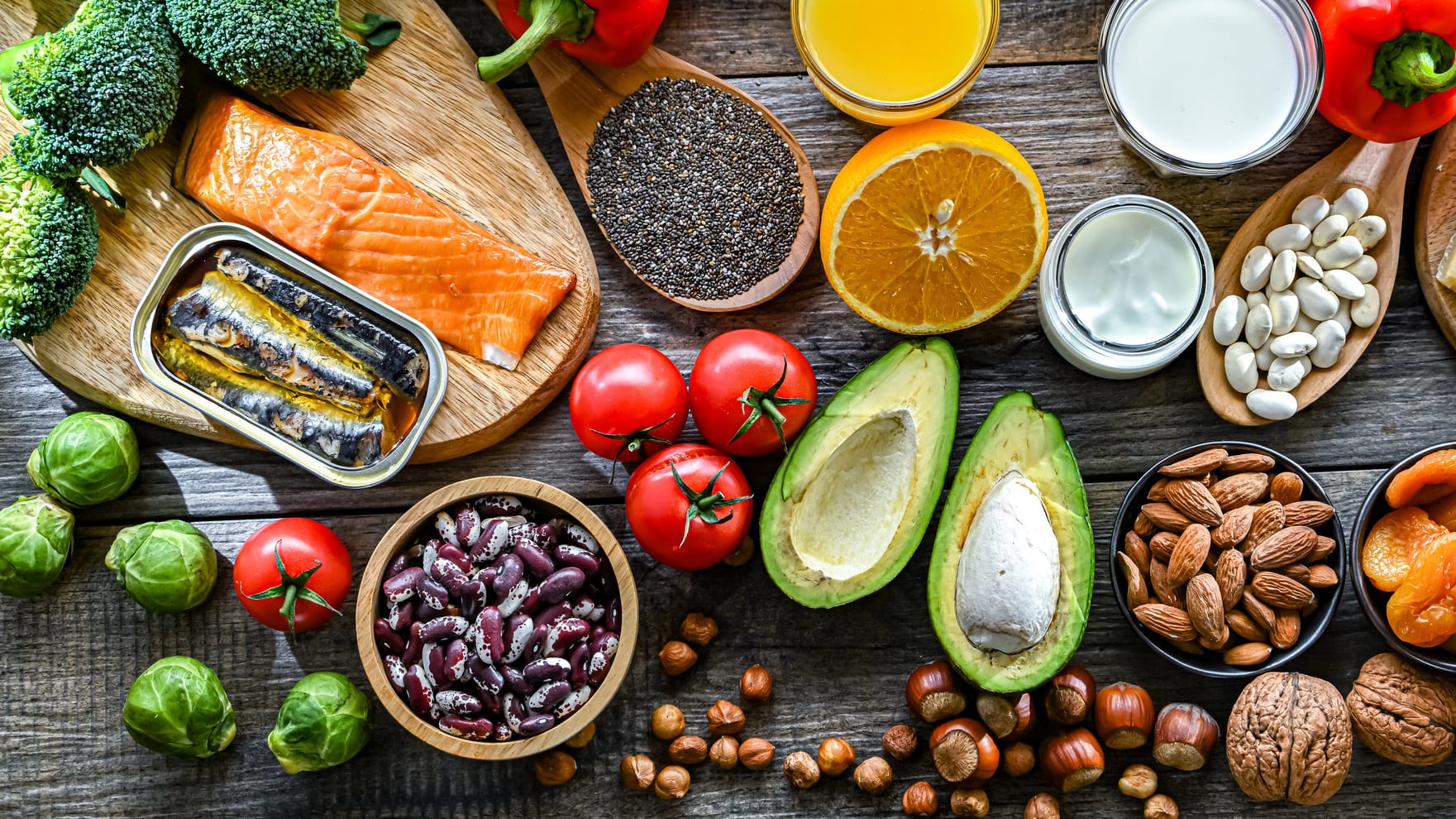
Make a conscious effort. Reduce portions. Cut back on processed foods. Eat more whole foods. Add plants where you can. Keep training. Keep lifting. Keep doing circuits in the bay. Move your body with intent. The rest starts to take care of itself.
Firefighters spend their careers managing risk for others. Department wellness starts when we apply that same discipline inward.
I didn’t lose 57 pounds because I became someone else. I lost it because I stopped assuming decline was inevitable.
Later comes faster than you think.
If you’re curious, give it a try. Not all at once. Not forever. Just enough to notice how you feel.
It is not all or nothing. It’s awareness, consistency, and taking care of the one piece of equipment you carry long after the last call: yourself.