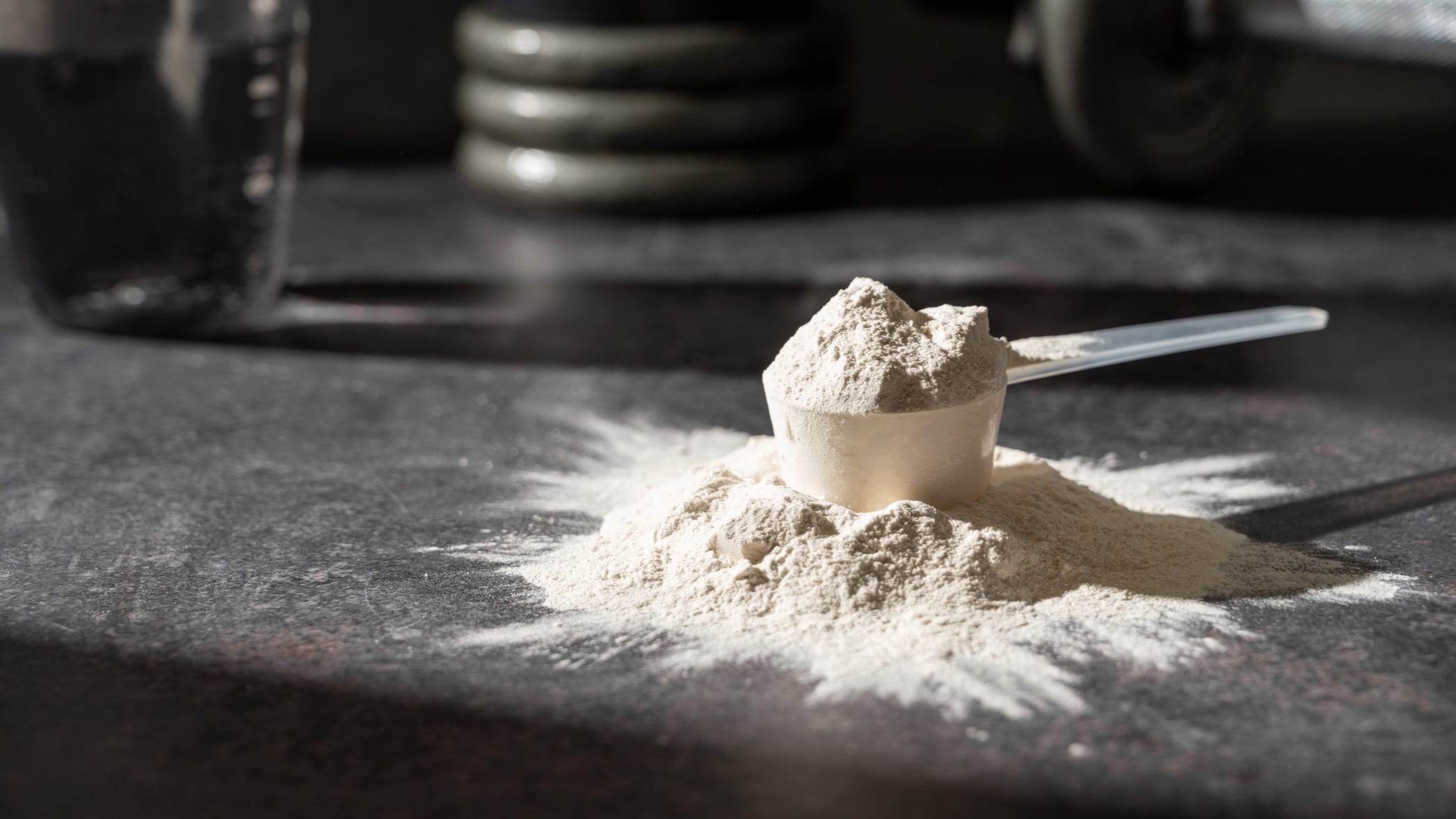
Once seen as just a muscle-building aid, creatine is now emerging as a solid supplement for firefighters, supporting brain health, cardiovascular function, thermoregulation, and maybe even recovery from trauma
If there’s anything I’ve learned in recent years, it’s the importance of keeping an open mind and rethinking long-held beliefs. One supplement that’s earned a second look for me is creatine. I used to believe it was mainly for bodybuilders – useful for strength gains but with side effects like weight gain or kidney damage. That perception kept me from ever considering supplementation.
But in recent years, friends started sharing their experiences – some reporting improved memory, cognitive sharpness, even claims it may slow the progression of dementia when taken consistently. With my family history, that got my attention.
Then I came across a recent peer-reviewed study (Gonzalez et al.) that shifted my view completely. It reported that creatine has minimal adverse effects and offers meaningful benefits for firefighters and other tactical athletes. Creatine not only enhances anaerobic performance and muscular endurance, it also supports decision-making, recovery from traumatic brain injuries (TBIs), mental health, sleep quality, and even thermoregulation. Emerging research points to antioxidant and anti-inflammatory properties, as well, that have positive implications suggesting creatine can reduce the risk of both cancer and CVD.
For firefighters, this is huge. Between irregular sleep, TBI risk, intense heat exposure, and the physiological and epigenetic stressors we face, creatine may offer essential support far beyond what we once thought.
A Look at Creatine’s Expanded Benefits
Creatine has cardiovascular, antioxidant, anti-inflammatory, thermoregulatory, and mental and brain health benefits.
Cardiovascular and Antioxidant Benefits
Firefighters face a higher risk of cardiovascular disease, in part due to increased oxidative stress during fire suppression activities. Research shows creatine may help mitigate this by improving lipid profiles – lowering total cholesterol and LDL while raising HDL – and by acting as an antioxidant. While the mechanism isn’t fully understood, it’s a promising area of study.
Anti-inflammatory Effects
Chronic inflammation weakens immunity and contributes to cancer risk. Some evidence suggests that creatine may reduce inflammation by acting on immune cells, though more research is still needed. However, preliminary research is promising, suggesting creatine supplementation can reduce the risk of cancer (Gonzalez et al).
Thermoregulation
One of our most intense challenges is heat exposure while in turnout gear. Rapid fluid loss and core temperature rise can drastically reduce work capacity. Initial concerns were that creatine might cause dehydration or strain the kidneys – but those have been largely debunked. In fact, creatine may help retain fluid post-dehydration and support better fluid balance. Research also shows it does not impair the body’s ability to dissipate heat.
Mental and Brain Health
This is what got me personally interested in supplementing. Due to the nature of our work, first responders can face increased risk for PTSD, depression, anxiety, and sleep disorders. Research shows creatine supports brain function by maintaining cellular energy (ATP) and aiding neurotransmission.
Creatine has been found to support cognitive performance under stress, including sleep deprivation – a huge win for shift workers. It crosses the blood-brain barrier and helps restore depleted ATP, making it useful in mTBI recovery. Higher doses (20g/day) appear necessary for these neurological benefits.
Sleep plays a critical role in clearing waste from the brain and restoring energy. Since ATP levels drop with sleep loss, creatine’s ability to aid in ATP restoration may help offset some negative effects of disrupted sleep. There’s also promising, though early, data showing that creatine may improve circadian rhythms and support recovery from mental fatigue.
Initial studies also suggest benefits in treating anxiety, depression, and PTSD, but larger clinical trials are still needed (Forbes et al.).
Recommendations for Use
Most studies follow a similar protocol:
- Loading phase: 20g per day for 5–7 days
- Maintenance phase: 3–5g daily
For brain health and TBI recovery, higher doses of 20g/day may be needed for therapeutic effect. Look for pure creatine monohydrate – just one ingredient. It shouldn’t cost more than $40 for 100 servings. Personally, I use Fluid’s unflavored ultra-fine micronized creatine Fluid. It dissolves well, and I trust the company. They even make single-serve packets, which are great on shift or while traveling. Another solid brand is Double Wood, available on Amazon for $19.
As always, if you have health concerns, speak with your primary care provider. But overall, creatine is classified as Generally Recognized As Safe (GRAS) by the FDA, with the primary “side effect” being temporary weight gain from water retention.
Final Thoughts
For firefighters, creatine could be more than a supplement, it might be a missing link in supporting long-term health, performance, and resilience. As more research emerges, it’s time we take this nutrient seriously – not just for what it does in the gym, but for what it may do for our brains, hearts, and recovery on and off the fireground.
Image from the Gonzalez et all article 2024
References:
Gonzalez DE, Forbes SC, Zapp A, Jagim A, Luedke J, Dickerson BL, Root A, Gil A, Johnson SE, Coles M, Brager A, Sowinski RJ, Candow DG, Kreider RB. Fueling the Firefighter and Tactical Athlete with Creatine: A Narrative Review of a Key Nutrient for Public Safety. Nutrients. 2024 Sep 28;16(19):3285. doi: 10.3390/nu16193285. PMID: 39408252; PMCID: PMC11478539.
Forbes, S. C., Cordingley, D. M., Cornish, S. M., Gualano, B., Roschel, H., Ostojic, S. M., Rawson, E. S., Roy, B. D., Prokopidis, K., Giannos, P., & Candow, D. G. (2022). Effects of Creatine Supplementation on Brain Function and Health. Nutrients, 14(5), 921. https://doi.org/10.3390/nu14050921