
Photo by Steve Baer | FireDog Photos
It is no secret that in the heart of most firefighters lies a profound commitment to serve and protect. Firefighters often encounter harrowing situations, and they are known for their willingness to step into some of the most challenging scenarios known to mankind.
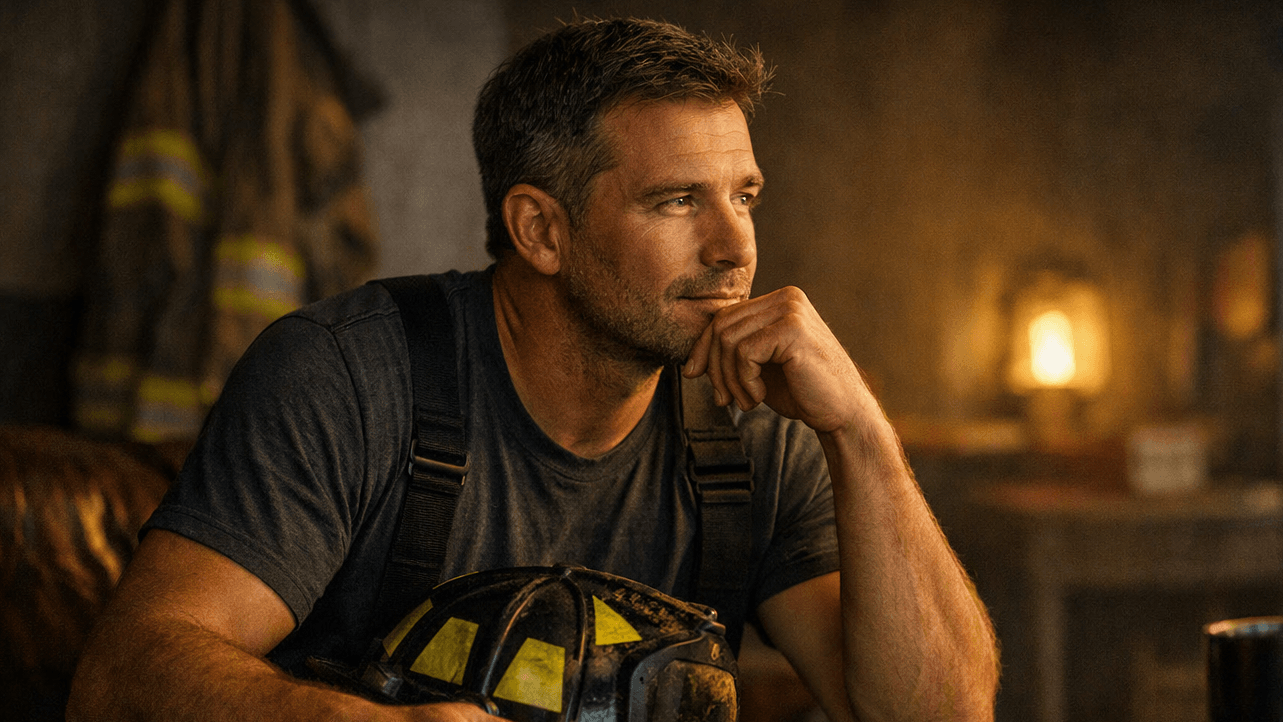
Words like courage, bravery and resilience are often used when describing firefighters, yet, beneath the exterior, many of the “bravest” grapple with an invisible adversary known as post-traumatic stress disorder (PTSD). This condition often emerges after exposure to traumatic events, leaving firefighters haunted by memories that refuse to fade.
The Descent into Darkness
For some firefighters, the aftermath of a traumatic event can lead them down a troublesome path. Some do the wise thing and seek help immediately; however, many choose to attempt to cope with the overwhelming weight of their experiences on their own. Some who choose the ladder may turn to alcohol as a means of escape, and the bottle becomes a temporary refuge from the nightmares and anxiety that plague their mental state. When this happens, their reliance on alcohol can spiral into addiction, further complicating their already fragile mental state.
Adultery can also emerge as a misguided attempt to find solace or validation outside their primary relationships. The emotional distance created by PTSD can strain marriages and partnerships, leading some firefighters to seek connection in unhealthy ways. This behavior not only jeopardizes personal relationships but also exacerbates feelings of guilt and shame, creating a vicious cycle that is difficult to break.
In the most tragic cases, these struggles can culminate in suicidal ideation. The pain becomes unbearable, and for some, there seems to be no way out. Once again, seeking professional help can lead them down a healing path, but there are still far too many firefighters who try to navigate their way through PTSD as if it were nothing more than another smoke-filled hallway. This time, however, the hallway will feel as if it is deep inside a structure, and the firefighter’s low-air alarm has been activated.
If you find yourself in this type of situation, you may not be able to call for a rapid intervention team; however, you can still call a mayday. The stigma surrounding PTSD and mental health issues often prevents even the bravest among us from seeking help, leaving them isolated in their suffering. This needs to change.
A Call for Compassionate Intervention
Recognizing the signs of PTSD in firefighters is crucial for fostering an environment where healing can begin. These signs include anger and irritability; guilt, shame, and self-blame; depression and feelings of hopelessness; feelings of mistrust, betrayal, and loneliness; recurring flashbacks; suicidal thoughts; and substance abuse.
Most departments have a support system in place, such as an Employee Assistance Program that can be a starting point for those who find themselves struggling to cope with traumatic events. Access to confidential professional counseling services must be prioritized and promoted within an organization. Therapists trained in trauma-informed care can offer invaluable assistance in navigating the complexities of PTSD.
Peer support groups can also provide a safe space for firefighters to share their experiences without fear of judgment. These gatherings foster camaraderie and understanding among those who have walked similar paths.
Moreover, promoting open conversations about mental health within firehouses can help dismantle the stigma associated with seeking help. Encouraging firefighters to speak openly about their struggles fosters an atmosphere of trust and solidarity.
Building Resilience Through Community
Leaders within the fire service community must recognize their role in supporting their firefighters now and beyond their service years. Awareness and open dialogue are just the start. We must also strive to integrate wellness programs that focus on physical fitness, stress management techniques, and mindfulness practices into fire department training, as they can equip firefighters with tools to better manage stressors that are often associated with the job.
It will take collective responsibility from leaders throughout our industry to make the changes that are needed for us to provide firefighters with the education and resources they will need. The journey toward healing from PTSD is not one that firefighters should undertake alone. Society has always honored firefighters for their bravery in facing flames, it’s time for us to also extend our compassion towards their silent battles with mental health challenges. By fostering supportive environments and encouraging open dialogue about these issues, we can help our firefighters make better decisions – decisions that lead them away from self-destructive behaviors and toward paths of total recovery and true resilience.