For too long, the cultural conversation about men has been stereotyped by caricatures: the buffoon, the brute, the emotionally stunted lone wolf. These images do little to help men navigate their lives, and marginalize them from the very conversations they need to be a part of. A healthy man is not just defined by physical prowess or stoicism, but by his ability to connect, grow, and lead with wisdom.
We’ve left behind the age of the gentleman, and we’re worse off for it. There was a time when being a man wasn’t about dominance or retreat, but about integrity, responsibility, and how you treated the people around you. The idea of a gentleman wasn’t about dressing well or holding doors open; it was about being intentional in your words and actions. A gentleman never insults someone intentionally. The gentleman carried himself with dignity and made life easier for those around him. So, where did that go?
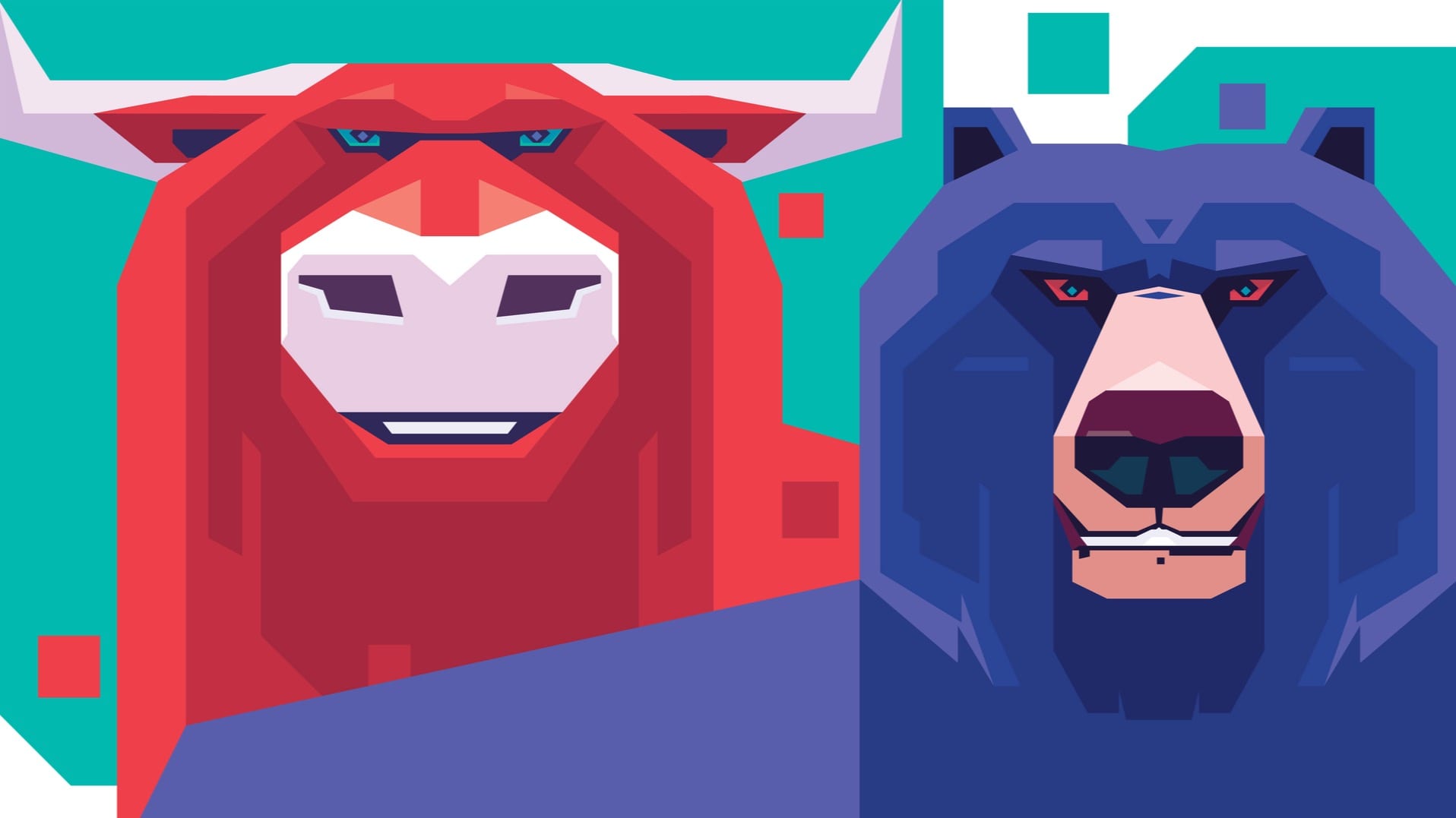
The Buffoon Bull/Bear: A Caricature of Men
One of the most damaging portrayals of men in modern culture is the Buffoon Bull/Bear, a man reduced to either mindless aggression or clueless incompetence. The Buffoon is the bumbling father, the lazy husband, the eternal man-child who cannot be trusted with responsibility. He is mocked in commercials, sitcoms, and pop culture, cast as someone who needs to be managed rather than respected.
On the other end of the spectrum is the Bull/Bear, an unstoppable force of aggression, incapable of nuance, compassion, or thoughtfulness. He is either a violent brute or an emotionless provider, expected to bear the weight of the world without complaint. This caricature tells men that their only value lies in physical strength, suppressing emotions, and following outdated scripts of masculinity.
Both versions of this caricature harm men by limiting their potential and distancing them from meaningful connections. They discourage emotional intelligence, dismiss the importance of mentorship, and marginalize men from critical conversations about their well-being. A healthy man must reject these narrow portrayals and redefine strength on his own terms.
The Crisis of Modern Masculinity
It is no secret that men today are struggling. Boys are falling behind in school, young men are struggling with the transition to adulthood, and suicide rates among men of all ages are staggering. In 2022, the suicide rate among males was almost three times the rate of females. Men account for nearly 75% of suicide deaths, despite making up approximately half of the population. Middle-aged adults (30-59 years old) had the highest rates of suicide and accounted for 56% of suicide deaths in 2022. We’ve created a world where their role is unclear, and in the absence of strong, principled role models, they’re turning to extremes.
On the one hand, we have passive men who are afraid to take a stand. On the other hand, we have loud, aggressive caricatures who think masculinity is about intimidation. Neither offers a path forward. The public figures young men see today either embody a watered-down, apologetic version of manhood or lean into hyper-masculinity, mistaking bravado for strength. A gentleman isn’t either of those things. He is disciplined, controlled, and steady. He doesn’t lash out or shrink away, he takes responsibility and ownership.
We saw a clear example of this in the news. After a tragic event, rather than leading with compassion and accountability, a public figure immediately assigned blame, with no facts to back it up. That isn’t leadership. That isn’t a strength. A real man, a gentleman, would have responded with wisdom and patience, recognizing the weight of his words.
But this crisis isn’t just about public figures, it’s about everyday life. Men today are lonely. They’ve lost real community. They spend hours online, arguing, scrolling, and chasing validation, but they lack genuine connection. Social media gives the illusion of camaraderie, but it’s a shallow substitute for true brotherhood. Real friendships, mentorship, and purpose are disappearing, and in their place, we have distraction and isolation. Sadly, I also see this regularly in the fire service, and it is concerning.
The Burden of Stoicism: Breaking the Shame Around Vulnerability
Society has long placed an expectation on men to remain stoic, discouraging them from expressing emotions such as sadness, fear, or grief. From a young age, many boys are taught that crying is a sign of weakness and that real men must endure hardship in silence. This outdated belief creates a culture where men suppress their struggles, internalize pain, and often suffer in isolation.
I remember vividly a scenario that played out in my own home. A dreaded phone call from my boss. A colleague and his wife had been in a horrific traffic accident. He was pronounced dead on the scene, while his wife died later in the hospital. I was in my kitchen. Gutted. I remember collapsing to my knees, overwhelmed with my grief. Sobbing. I remember my wife coming into the kitchen and asking me to cry in the garage as I might upset our daughter. My grief and tears were visibly making her uncomfortable. The shame that arose from this experience took years to overcome and further reinforced the stereotype that men need to be stoic and control their emotions.
True strength does not come from emotional suppression; it comes from the courage to reach out, to ask for help, and to break the shame that surrounds vulnerability. Donald Robertson, in his article, “Stoics are not Unemotional,” discussed that stoics themselves never preached the elimination of emotions or the idea that men should be robotic or heartless. They recognized that even the bravest of men felt the full spectrum of human emotions, from the deepest sorrows to the highest joys. What they despised, however, was the surrender to these emotions. Because while one cannot control the arrival of an emotion, one can certainly choose how to respond to it. Emotions were to be observed, understood, and acted upon with reason, duty, and purpose.
As Brené Brown notes, Shame derives its power from being unspeakable. Ignored and avoided, it has become a silent epidemic, spreading fear and encouraging negative behavior and thinking. Empathy is the antidote to shame. Shame causes people to hide from the sanctions of cultural norms, leading to perceptions of brokenness or being bad. Empathy creates a space where people can process their circumstances without shame’s debilitating effects. She also stated that after interviewing men and asking questions, she learned this: You show me a woman who can actually sit with a man in real vulnerability and fear, I’ll show you a woman who has done incredible work.
My Journey
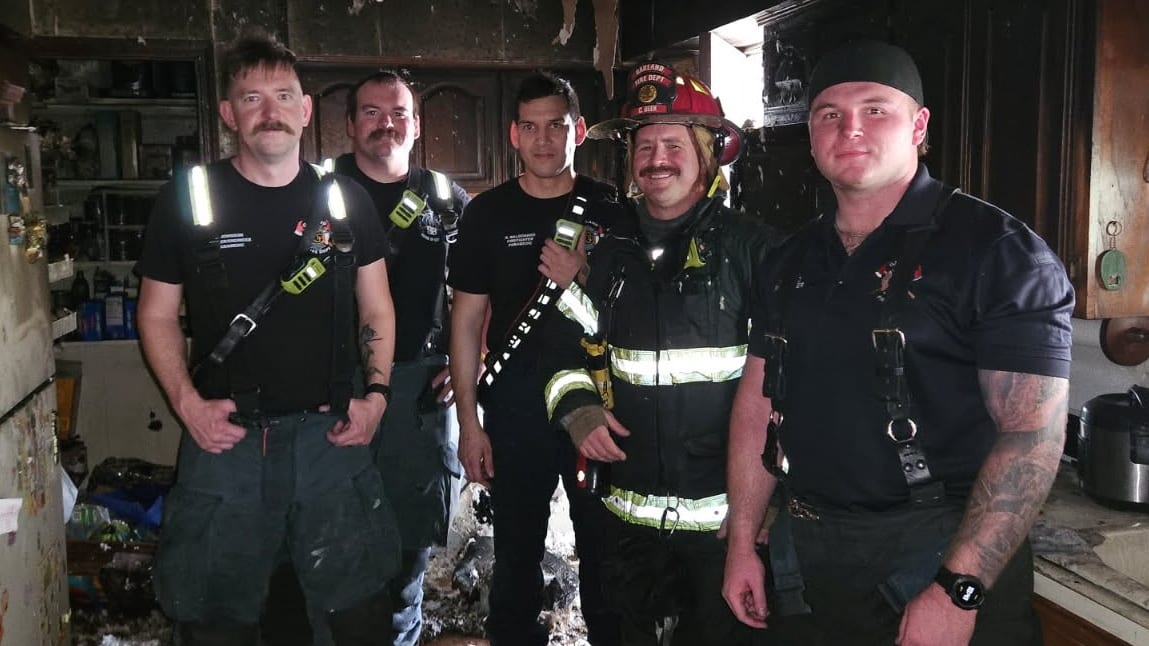
As a firefighter in British Columbia for the last 32 years, I have had my challenges with trauma and mental ill-health. From the age of 19, I began accumulating unprocessed grief and pain, carrying them like rocks in a backpack that eventually grew into an unbearable burden. For decades, I struggled to be present with my family, realizing too late how much I had sacrificed in my personal life, while transmitting my trauma onto my family.
Life, grief, loss, and all the work trauma we see change you. I think it changes you for years. I transmitted my trauma unintentionally, of course, and it can be very harmful. I didn’t like how I was showing up at home: short fuse, no patience, bursts of anger, exhausted, depleted.
As a first responder parent, or any parent, you start with the best intentions. When my daughter was born, I wanted to protect her and be the best father I could be. But then life happens. The job takes its toll. If you’re not intentional about recognizing its effects, it can creep up on you unnoticed. When I finally understood how service and life had impacted me, I knew I had to take action. Because, in the end, healing those wounds is essential, so they don’t become something you pass down to your children.
In 2019, after years of internalizing trauma and loss, I reached a breaking point and sought help through the BC First Responder Resiliency Program. That experience changed my life, teaching me that vulnerability is not weakness, it is strength. Like many men, I once feared appearing weak by reaching out for support. I understand that true courage lies in facing one’s struggles and seeking healing. My journey reflects the broader need for men to embrace mental health support and break free from societal expectations that keep them suffering in silence.
The Role of Fathers and Father Figures
The impact of a father figure on a child, whether present or absent, helpful or harmful, lasts a lifetime. Research suggests that positive father involvement contributes to a child’s emotional and social development, cognitive and language development, success in school, and protection from risky behaviours. However, the role of fathers and father figures remains understudied and underfunded in health, education, and community settings.
Dr. David Kuhl, CEO and co-founder of Blueprint, and the lead on the Fatherhood Research Initiative, states this: “Fathers influence children in important ways. Sons model themselves after their fathers; daughters model their relationships with men by their relationship with their fathers and their father’s influence.”
Movember and the Men’s Health Movement
As a worldwide leader in men’s health, Movember is committed to enhancing the well-being of men across the globe. I greatly admire their efforts, particularly their initiatives that transform the conversation around men’s health into a more positive and proactive dialogue.
One initiative focuses on tackling difficult conversations, encouraging open dialogue with men who may be struggling. Their message is clear: “Starting conversations with men who are struggling … getting them to open up can be easier with practice.”
Another powerful initiative works to break the stigma around therapy for men. Movember challenges outdated beliefs, stating: “Legend has it that men are much less likely than women to go to therapy. But legends don’t often end up being true. It’s time to move on and start believing that men can benefit from therapy, too.”
My daughter and I also had the honour of participating in their Real Face of Men’s Health campaign, which highlights a crucial truth: “When these men are well, the benefits ripple through relationships, families, and communities. But when these men are unwell and unsupported, we all feel it.”
These initiatives aren’t just changing the narrative, they’re changing lives!
Reclaiming the Role of a Gentleman: A Model for Modern Men
Reclaiming the role of the gentleman isn’t about going backward, it’s about moving forward with purpose. If we want a better future for men and society as a whole, we need to bring back the values that made masculinity something to aspire to. It’s time to redefine strength, not as aggression, not as passivity, but as the quiet, steady force that makes the world a better place.
THAT is the legacy of a true gentleman!
Author Steve Farina began his career as a paid-on-call firefighter with the Township of Langley Fire Department in 1992 and five years later, joined the Coquitlam Fire Rescue full-time in 1997. Steve was promoted to captain in 2015 and is currently a captain in the Fire Suppression Division on Engine 1.