
Cancer risk is part of the firefighter reality, and while fire contaminants take most of the blame, disrupted sleep, shift work, and stress all add to the burden on the body’s cancer defenses.
But cancer risk isn’t something we’re powerless against. While decontamination and protective gear are essential, nutrition may offer another layer of defence – one that starts from the inside out.
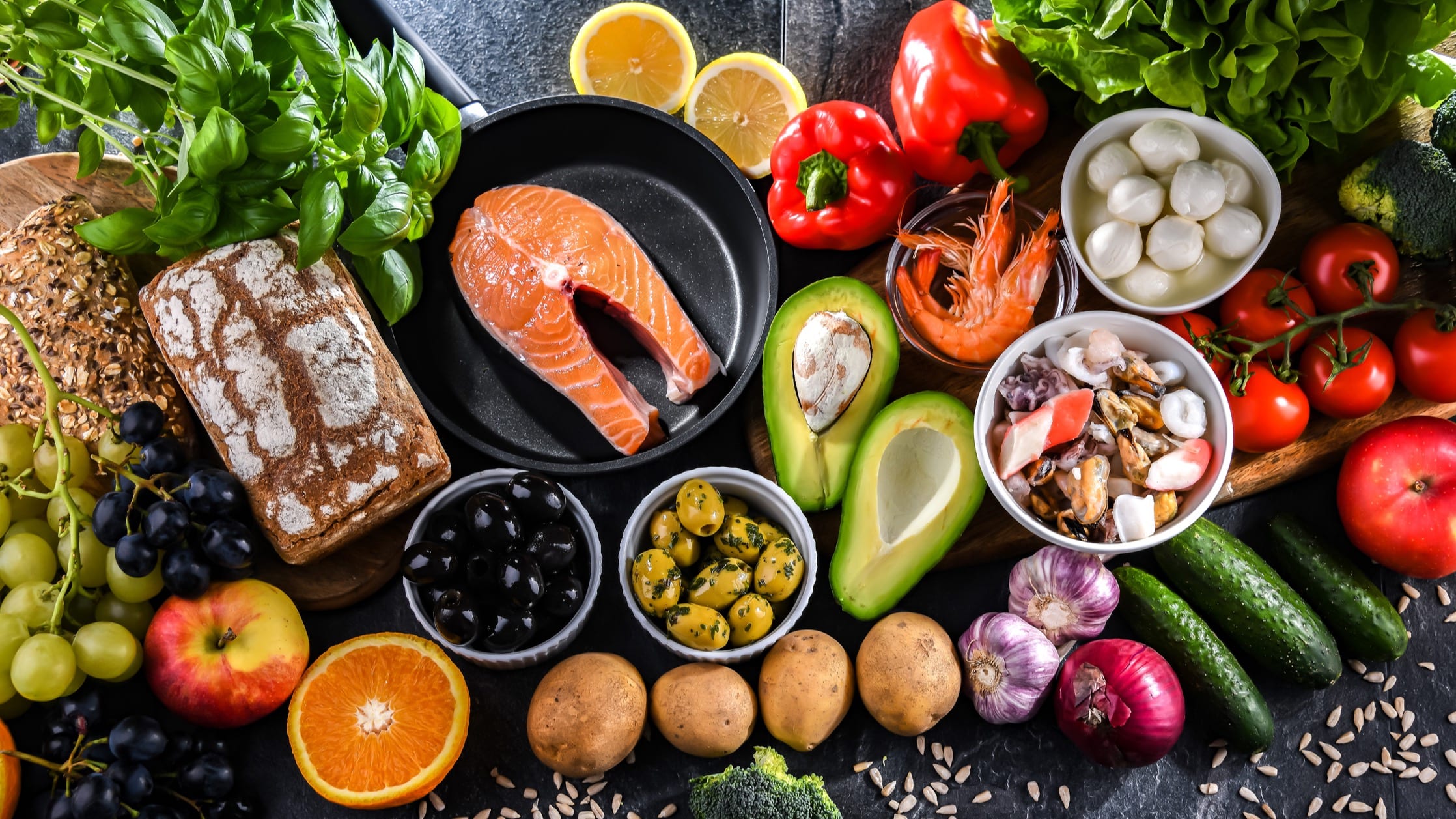
A recently published scientific paper explores how firefighters’ food choices may help defend against fireground contaminants – especially through Mediterranean-style diets and specific protective nutrients.
Although the review has been written for a U.K. audience, it draws heavily on American research, and the science applies to firefighters all over the world. This article highlights some of the key findings and shows how we can put them into practice in real life.
So, What Exactly is the Mediterranean Diet?
The name might make you think of pasta, cheese, or pizza dough, but don’t let it fool you. American scientist Ancel Keys coined the term “Mediterranean Diet” in the 1960s. He noticed that, despite their relative poverty, people living in coastal Mediterranean regions tended to be much healthier than their U.S. counterparts. Keys put this down to their diet. Decades of research backed up his hunch, linking it not only to a lower risk of developing cancer, but also to reduced rates of heart disease, diabetes, and other chronic conditions.
Back then, their meals were built around fruit and vegetables, whole grains, legumes (like lentils and chickpeas), and nuts. Meat, mostly poultry and fish, was eaten in moderation. Fats came mainly from extra virgin olive oil rather than butter or spreads. Dairy, like yogurt and cheese, was included in sensible amounts. Sweets were occasional, and red meat was rare. Ultra-processed foods? Non-existent. All of this was paired with active lifestyles and a strong social mealtime culture.
This eating style helps in three key ways:
- It limits foods that can stress your body’s cancer defense systems. These foods include ultra-processed carbs, saturated fats, and compounds from red or charred meats.
- It’s rich in fibres, healthy fats, vitamins, and plant compounds, which help support the immune system and are rich in antioxidants.
- It’s one of the most evidence-backed diets for losing excess body fat, and that’s a big deal, since excess fat is strongly linked to cancer risk.
Recent research has also put the spotlight on foods that may be especially beneficial to firefighters when they include them regularly in their diet:
- Omega-3 fats, found in walnuts and oily fish, like sardines, mackerel, and salmon, have been shown in lab studies to reduce cancer-causing DNA damage in cells exposed to smoke-related chemicals
- Broccoli – especially broccoli sprouts, shows promise in supporting the body’s detoxification of fire-related toxins, like benzene and PAHs (polycyclic aromatic hydrocarbons)
- Garlic not only boosts flavor but may help detoxify heavy metals like chromium, which can be absorbed through fire exposure
- And if you’re up for a hot drink swap, green tea has shown potential in animal studies to reduce lung tumours and oxidative stress caused by smoke-related toxins, like asbestos and nickel
Not Into Mediterranean Cooking? No Problem
This isn’t about swapping your cuisine, it’s about balancing your plate. You can apply the same principles to any style of cuisine, from Asian to Latino to traditional American dishes.
- Love burritos? Choose a lean meat, wholemeal wraps, and fill them with peppers, salad leaves, onions, avocado, and beans
- Fan of curry? Mix in zucchini, eggplant, spinach leaves or cauliflower and serve with brown rice
- Burger night? Swap ground beef for turkey and serve in wholemeal buns with a pile of fresh toppings like lettuce, tomato, and red onion, maybe even some kimchi to add a bit of zing
These tweaks add nutrients, fibre, crunch, and flavor, while helping your cells stand stronger against everyday damage.
If you’re already used to cooking from scratch, that’s great. But if not, don’t worry – switching to whole foods doesn’t have to be overwhelming. The internet is packed with fast, tasty meal ideas that tick the boxes without breaking the bank. Go for easy wins – tweaks to dishes you already love. And don’t stress about being perfect. Health isn’t all or nothing. Every single upgrade you make counts.
Talk to Your Team
Most firefighters still aren’t aware of how big a difference diet can make. Speak to your crew or department leaders. See if they’ll back initiatives like healthy shared meals, education, or agreements with local businesses for fire service discounts on healthy foods. Change starts with knowledge. Spread the word. Support each other.