
Continuing to learn and contribute is what keeps us valuable as we grow older
This year, I met retired FDNY Deputy Chief Vincent Dunn. I’ve had the chance to spend time with him twice now, most recently just a few weeks ago, and both times have left an impact on me.
Chief Dunn is 91 years old. He spent 42 years in the fire service and has been retired for more than 25 years. I just marked 23 years on the job myself, on June 20. He’s been retired longer than I’ve been a firefighter.
I wish I’d known him sooner. I’ll never get to work beside him or be a fly on the wall during the years he commanded fires in New York City.
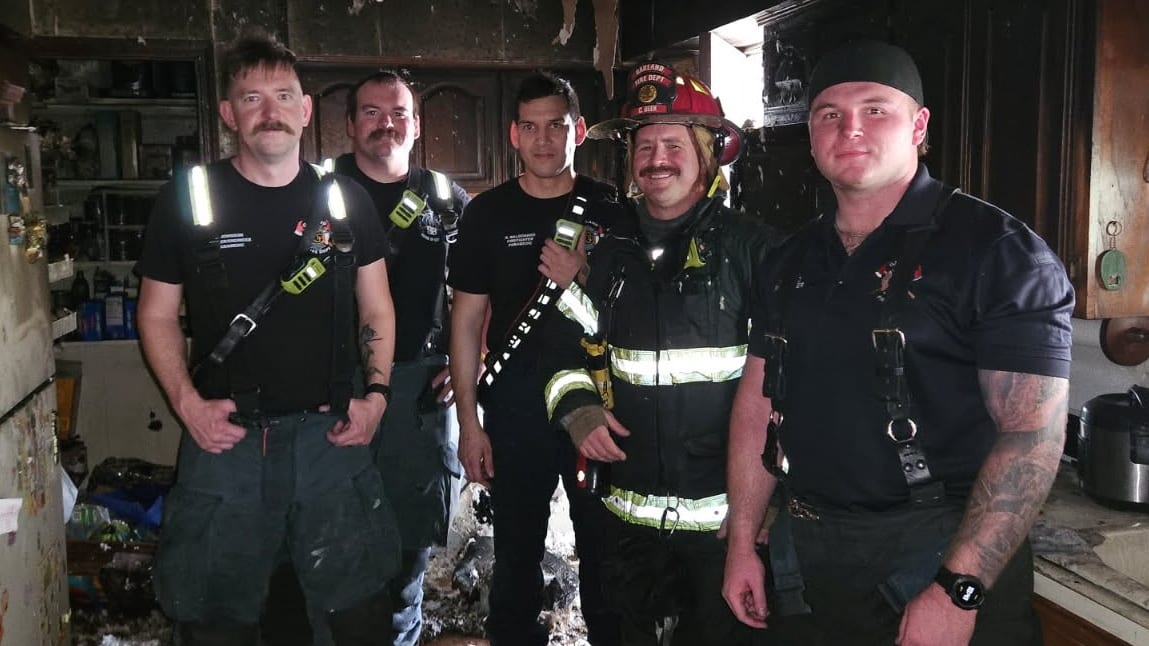
We were all there for the New York State Association of Fire Chiefs conference, where he sat on a panel called The Last Lions alongside retired FDNY Deputy Chief Frank Leeb, who is also an important part of CRACKYL, retired FDNY Deputy Assistant Chief John Norman, and retired FDNY Battalion Chief John Salka. After the panel wrapped, a group of us piled into an extended-cab pickup truck and headed to dinner. Chief Norman drove, Chief Dunn rode shotgun, and Chief Salka, Chris Moir—a platoon chief from my own department — and I were jammed into the back seat. The ride itself was something I won’t forget any time soon.
More Than a Career
Watching Chief Dunn talk, I didn’t see a man trying to relive a career that had already ended. I saw someone who genuinely believes he still has something worth giving. He’s still writing. Still teaching. Still helping firefighters understand the job. It felt like a front row seat to the best show on earth.
We tend to treat aging as though the number itself is the achievement. We celebrate the birthday, admire how long someone has lived, and rarely stop to ask whether that person still feels needed.
The body gets less forgiving with time. Things you used to do without thinking start requiring a plan or convincing. Your independence shrinks a little at a time. But that’s probably the easiest part to see. The harder loss happens out of view: the people who knew your earliest stories start disappearing. The friends who understood the joke before you finished telling it are gone. Eventually most of your history lives only in your own head, with nobody left who can confirm any of it actually happened.
That might be why older people repeat the same stories so often. We hear it again and assume they’ve forgotten they already told us. But maybe they’re after something else. Maybe the story is their way of proving, even just to themselves, that they were there, that they mattered to somebody.
Experience and Relevance
I think this is really what staying relevant comes down to as you age, and it’s the thing that struck me most about Chief Dunn. He hasn’t tried to keep the fire service frozen where he left it twenty-five years ago. He’s kept learning where the job is headed and stayed part of that conversation. He brings what he knows from the past into the present without expecting the present to act like the past.
I saw the same thing in my own parents running their business. Work that used to be done by hand eventually moved onto computers. The systems changed, the expectations changed, the tools changed. They learned the new stuff without throwing away the work ethic that made them good at the job in the first place.
His experience makes him accurate. His willingness to keep learning makes him relevant. Those two things aren’t the same, and I don’t think you can fake the second one. You either stay curious about where things are going or you don’t, and people can tell the difference.
That’s the kind of aging I’m after. Not measured by how many years I accumulate, but by whether I remain curious enough to keep learning, useful enough to keep contributing and open enough to recognize that the world will continue changing around me. I want to carry forward what the people before me taught me without expecting the next generation to do everything the way we did it.
A Legacy That Keeps Moving
Chief Dunn reminded me that getting older does not have to mean slowly disappearing from the conversation. Experience gives us something worth sharing, but adaptability is what allows that experience to keep reaching people. It is how we honor where we have been while continuing to participate in where things are going.
And the truth is, we are remembered not simply for what we knew, but for how we used it to help the people coming next.