Humans are averse to pain.
Touch a hot stove and you’ll learn to pay attention to whether the burner is on or not. Bitten by a dog? You’ll become more cautious around dogs. Forget a birthday or anniversary? You'll make this fatal relationship error only once. All of these situations create suffering – for the first two, the pain will be physical, and for the last, emotional.
I choose the word suffering carefully because it’s the best way to describe many of the emotional situations we find ourselves in. Worry and concern, while moderate in terms of suffering, are still uncomfortable and, I’d wager, are feelings we’d wish would go away. Add any more pressure – for example, actual anxiety – and the need grows tenfold.
Some research shows that when we approach problems with an avoidant style, we’re at a significantly greater risk of developing mental health disorders down the road. This is true for everyone. But, firefighters who have this tendency are at an even greater risk, given that we’re guaranteed to experience stressful events.
The hardest thing to overcome is the realization of how effective avoidance is for decreasing immediate stress.
We don’t often engage in a behavior that doesn’t work – at least not initially. In the beginning, avoidance is very effective. ("I may sprinkle an avoidance here and there, but no one will be any the wiser and I’ll be free of my suffering.") Over time, however, this approach stops working, the things we’ve avoided pile up and become something we can no longer ignore. Now, we feel overwhelmed by the sheer volume of things that need to be addressed, and all the while something even more sinister is at work.
In the background, while we've been avoiding difficult issues, our anxiety has been growing.
When people have had enough and end up in my office, I have the unenviable job of pointing out the pathway forward. The surprise is that avoidance itself isn’t the problem, or at least not entirely. The problem is dealing with the side effects of using this strategy. That increase in anxiety must be engaged with to overcome it.
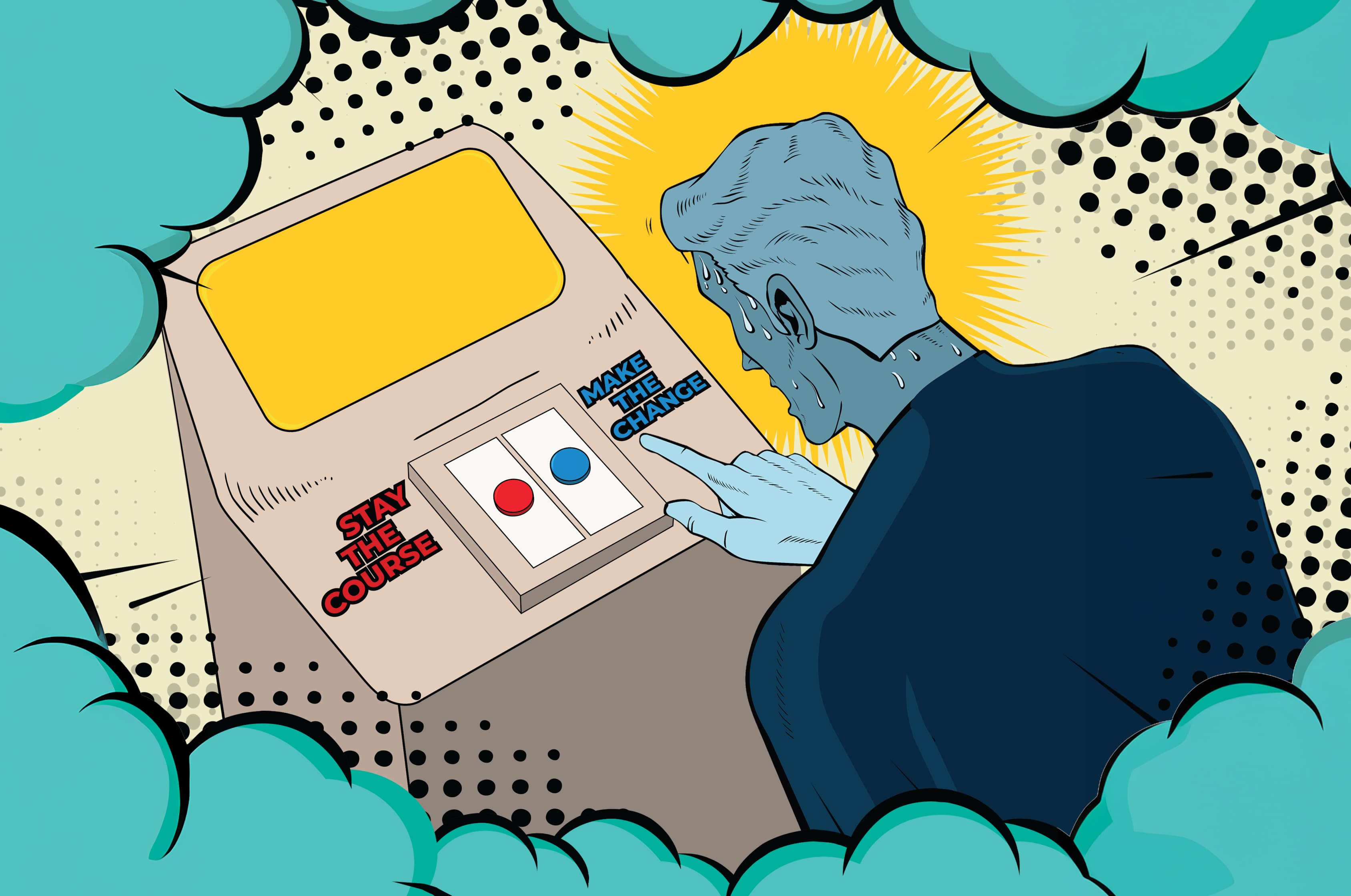
We need to choose our suffering.
There are really just two options. The first is to continue doing what we've been doing – avoiding the situation and the need to address it. We can see where this will lead, so it’s not a helpful approach. It is, however, comfortable, predictable and certain. If we avoid a situation, we know we won't have to do anything differently. We can predict what will happen, and while we may frustrate or anger those around us, we'll feel better immediately – at least for a short while.
The second option is to engage that fear or worry directly. This requires a significant mind shift and isn’t a comfortable option. It isn’t predictable, and, in fact, there’s a chance of initial failure. There is no guarantee in therapy that the first approach will work (and if you’ve been told that by your therapist, I suggest you promptly leave). No crystal balls, no certainties and no instant cures exist.
There are only pathways and procedures and a lot of scientific evidence to suggest that approaching the problem and navigating it without resorting to unhealthy behaviors can often lead to a more beneficial outcome – even if that outcome isn’t exactly what we’d prefer.
Engaging in suffering is up to us, and the very thing that threatens us most might just be the doorway to escaping it.