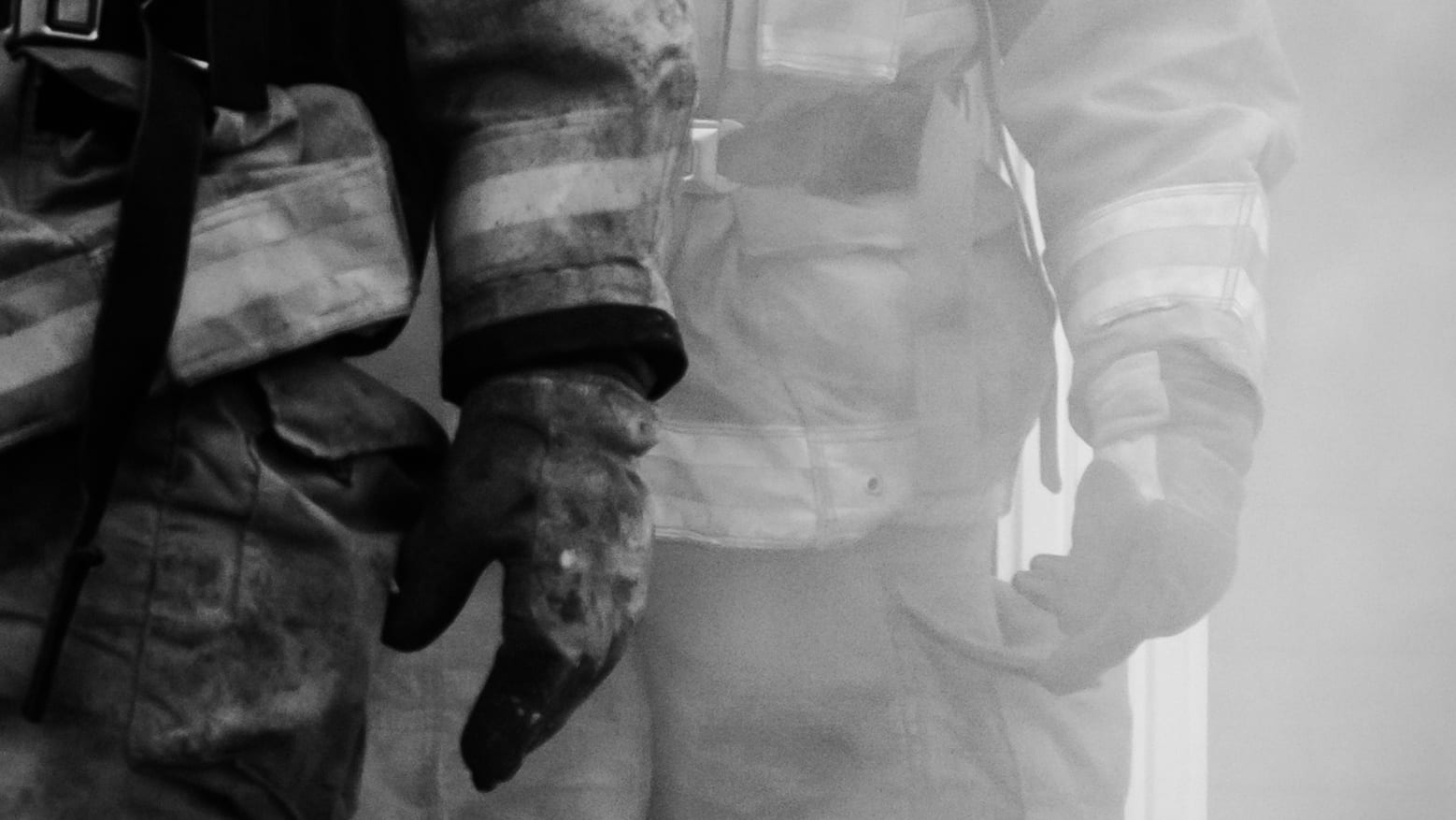
Research comparing firefighters’ hand measurements to the general population suggests better‑fitting gloves aren’t just a comfort upgrade
We depend on our protective gear every day to keep us safe and sound. We may even be convinced it does the job in a satisfactory way. And maybe it does. On the other hand, just how well does your gear truly fit?
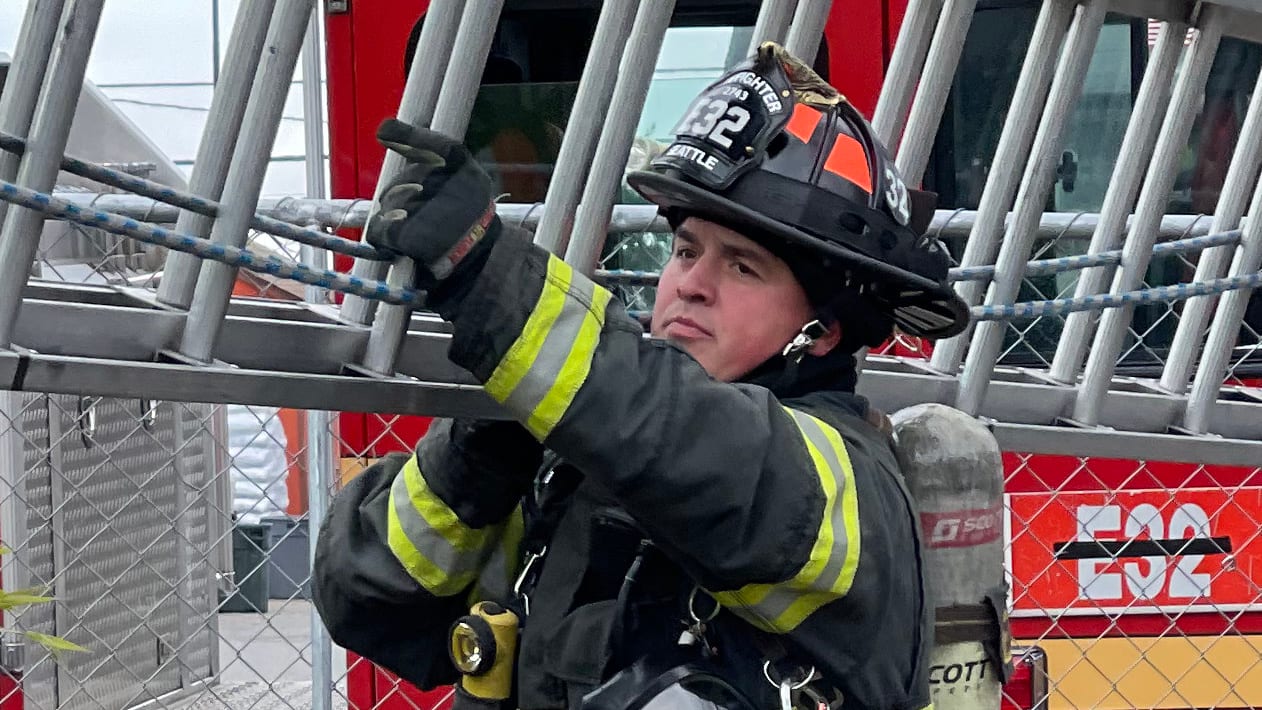
Fit isn’t just a matter of comfort. It affects performance, endurance, and safety. Ill‑fitting gloves can slow down fine motor tasks, increase fatigue, and even contribute to avoidable mistakes on the fireground. Yet many of us simply accept the gear we’re issued, assuming it was designed with us in mind.
A group of researchers at Ewha Woman’s University in Seoul, South Korea, put gear fit to the test. They selected 23 parameters associated with the hand and forearm (e.g., wrist circumference) and collected measurements of these parameters from 100 male firefighters.
They then compared these measurements to similar measurements collected from the general adult male population. The results showed that the hands of male firefighters are bigger than their counterparts in the general population.
This may sound like a small detail, but in PPE design, small details matter. A glove that’s even slightly too tight can restrict movement; one that’s too loose can reduce grip strength or snag on equipment. When the baseline measurements used in manufacturing don’t match the real-world users, the result is gear that “fits” on paper but not in practice.
Researchers expect this data will be useful when designing and producing the next generation of firefighting gloves to provide a superior fit. It’s a reminder that PPE shouldn’t be one-size-fits-most. It should be built around the people who rely on it in high‑risk environments.
And well-fitting protective gear is, after all, a crucial ingredient to our success – hands down.