The fire goes out, but the danger doesn’t. Contaminants hide deep in your gear – metals, chemicals, fuels, and toxins you can’t see but carry home with you. Here’s what every firefighter needs to know about protecting themselves long after the call
Firefighters face immense danger each time they suit up and answer the call – but the danger doesn’t end when the fire is out. Long after the flames are extinguished, contaminants can remain trapped in turnout gear, exposing firefighters to toxins and long-term health risks.
The Invisible Threats on Your Gear
On any given call, firefighters may encounter a wide range of hazardous substances. Beyond heat and smoke, today’s responses often involve exposures to lithium-ion battery fires, petroleum-based products, synthetic chemicals, fentanyl residue, and other toxic compounds. Common contaminants can include:
- Metals and particulates from battery fires and electronics
- Oils and fuels such as diesel, motor oil, and cannabis extracts
- Hazardous residues from meth labs or fentanyl exposure
- Chemical byproducts like benzenes, PFAS, volatile organic compounds (VOCs), and polycyclic aromatic hydrocarbons (PAHs)
Once embedded in fabric, these substances can compromise protective performance, shorten gear lifespan, and increase long-term health risks for firefighters.
Why Traditional Cleaning Methods Fall Short
Standard water-based cleaning methods, while widely used, have limitations. They may remove visible dirt but often leave behind embedded contaminants, degrade fabrics faster, and release toxins into wastewater systems. Some chemicals – especially those from battery fires and hazardous materials incidents – can cling deep within fibers, requiring more advanced approaches to ensure safety.
Advances in Gear Decontamination
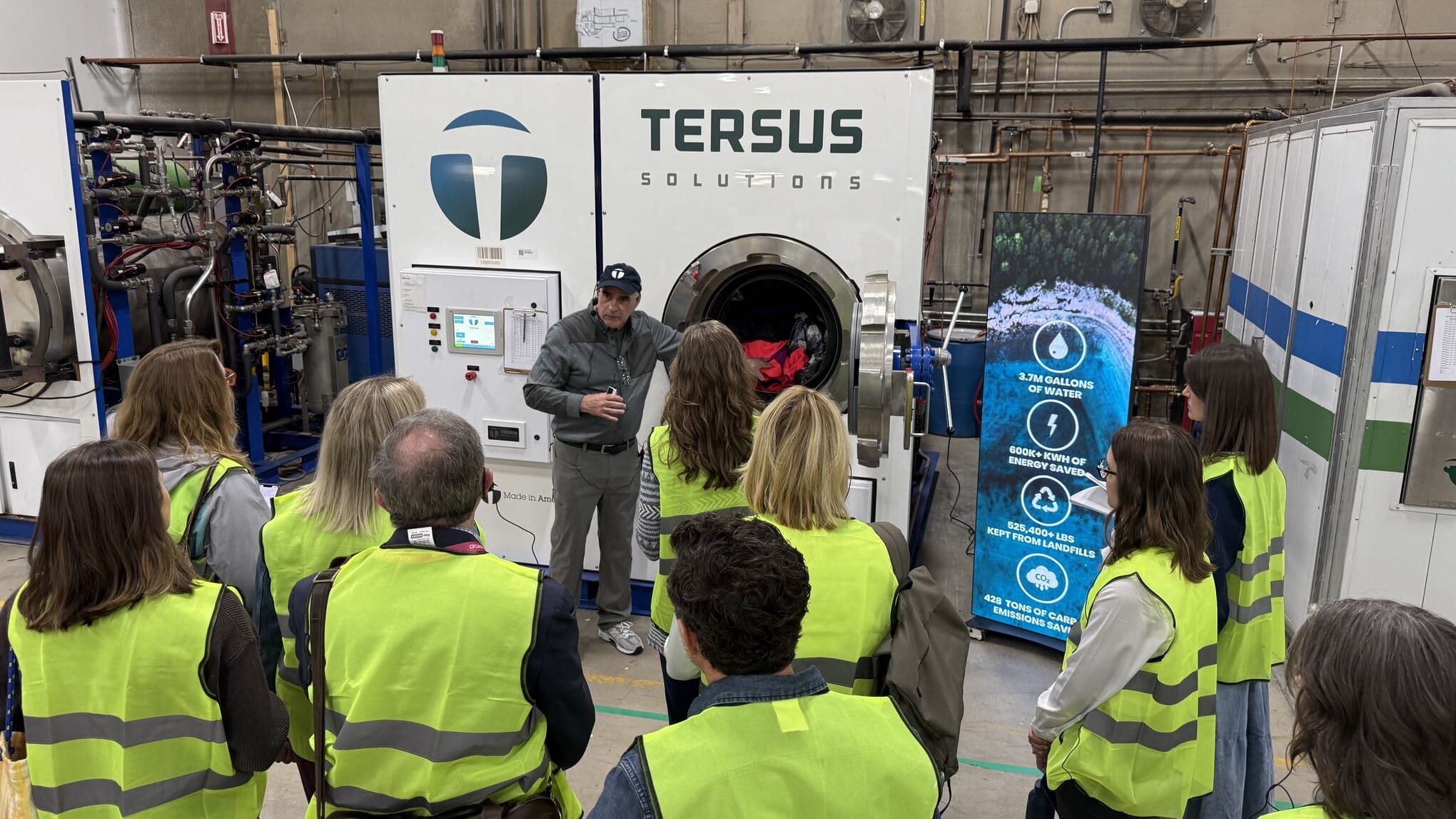
Recent innovations in cleaning methods are focused on improving contaminant removal while protecting both gear integrity and the environment. Technologies like liquid CO₂ cleaning systems have shown the ability to penetrate deep into textile fibers, removing embedded substances without damaging the gear or generating contaminated wastewater.
Testing across multiple fire departments and third-party laboratories have demonstrated removal rates of more than 90% for a range of toxins, including those from lithium-ion battery fires. These processes also reduce the release of harmful byproducts into municipal systems by capturing, filtering, and safely disposing of contaminants.
Notably, CO₂ is employed through multiple distinct process designs, which can differ significantly in both effectiveness and their impact on PPE, making it essential to understand which methodology is being referenced.
The Importance of Testing and Verification
As the complexity of fireground exposures grows, so does the need for more thorough testing. Functional checks – like ISO-standard spray tests for water repellency, retroreflectivity assessments for visibility, and evaluations of thermal and flame resistance – ensure gear performance isn’t compromised after decontamination.
Independent testing and research have also become increasingly important when dealing with new and emerging hazards, especially as firefighters encounter materials that haven’t traditionally been part of structural fires.
Why Regular Cleaning Matters
Contaminants don’t just damage turnout gear – they stay with you. Dirty gear can:
- Stiffen and weaken fabrics
- Dull reflective tape, reducing visibility
- Compromise barrier systems designed to protect against heat and chemicals
- Reduce breathability and overall comfort
- Increase the likelihood of carcinogenic exposure
Regular cleaning, paired with functional performance testing, can significantly extend gear life, improve safety, and reduce the potential for harmful exposures over time.
Looking Ahead
As firefighting evolves, so does the need for smarter gear maintenance strategies. The rise in lithium-ion battery incidents, synthetic chemicals, and unknown hazards requires ongoing research and innovation in both decontamination processes and testing standards.
At the end of the day, there’s no perfect system, but the goal is the same across the industry: ensure firefighters can rely on their gear to perform as intended, call after call. Clean gear is safer gear, and keeping it that way is becoming as critical to firefighter health and longevity as the tools and tactics used on the fireground.
Want to know more? Visit Tersus Solutions.