I’ve always loved physical training. As a Division 1 hockey captain, 25-time World Combat Champion, Canadian FireFit Champion, IAFF Wellness-Fitness Initiative Committee Member and someone who has spent their career immersed in health and performance, I used to believe the formula was simple: If training harder produced better results, then train harder.
Fifteen years in the fire service — and just as importantly, 15 years of life outside the fire hall through injuries, pregnancy, motherhood, leadership and coaching — have changed that perspective. I still train hard. I just train differently.
Over the years, I’ve developed a belief that might be a little polarizing: The job already does enough to break you down. Your training should build you up.
Our profession already gives us interrupted sleep, chronic stress, adrenaline spikes, awkward lifting, heavy equipment, emotional trauma, and years of cumulative wear and tear. We spend a lot of time preparing financially for retirement, but we don’t spend nearly enough time preparing physically, mentally or emotionally to enjoy it.
That realization changed the way I look at fitness. For years, especially in the fire service, we’ve celebrated the idea that exhaustion is proof of an effective workout. More cardio. More intensity. More sweat. I don’t believe that anymore, especially for women.
For too long, women have been encouraged to chase calories burned instead of strength built.
Endless cardio often becomes the default, while strength training is treated like an accessory. In my experience, that approach is backward.
Strength is about far more than performance. It’s one of the greatest investments we can make in our long-term health.
Maintaining lean muscle protects our bones, supports our metabolism, improves our ability to recover, and allows us to continue doing the things we love as we age.
The goal goes beyond looking stronger. It’s about staying capable.
That’s why strength has become the foundation of how I train and how I coach others.
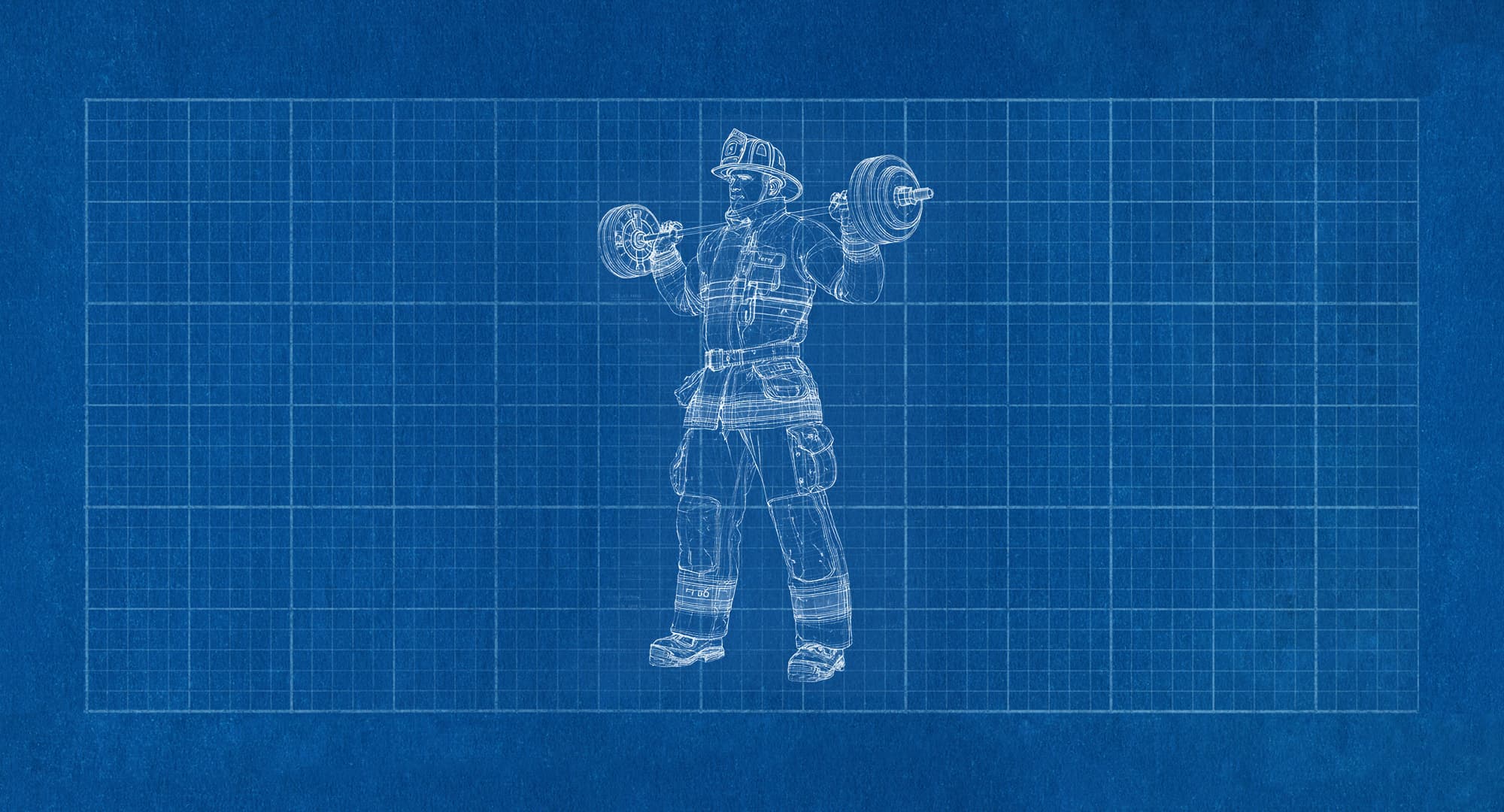
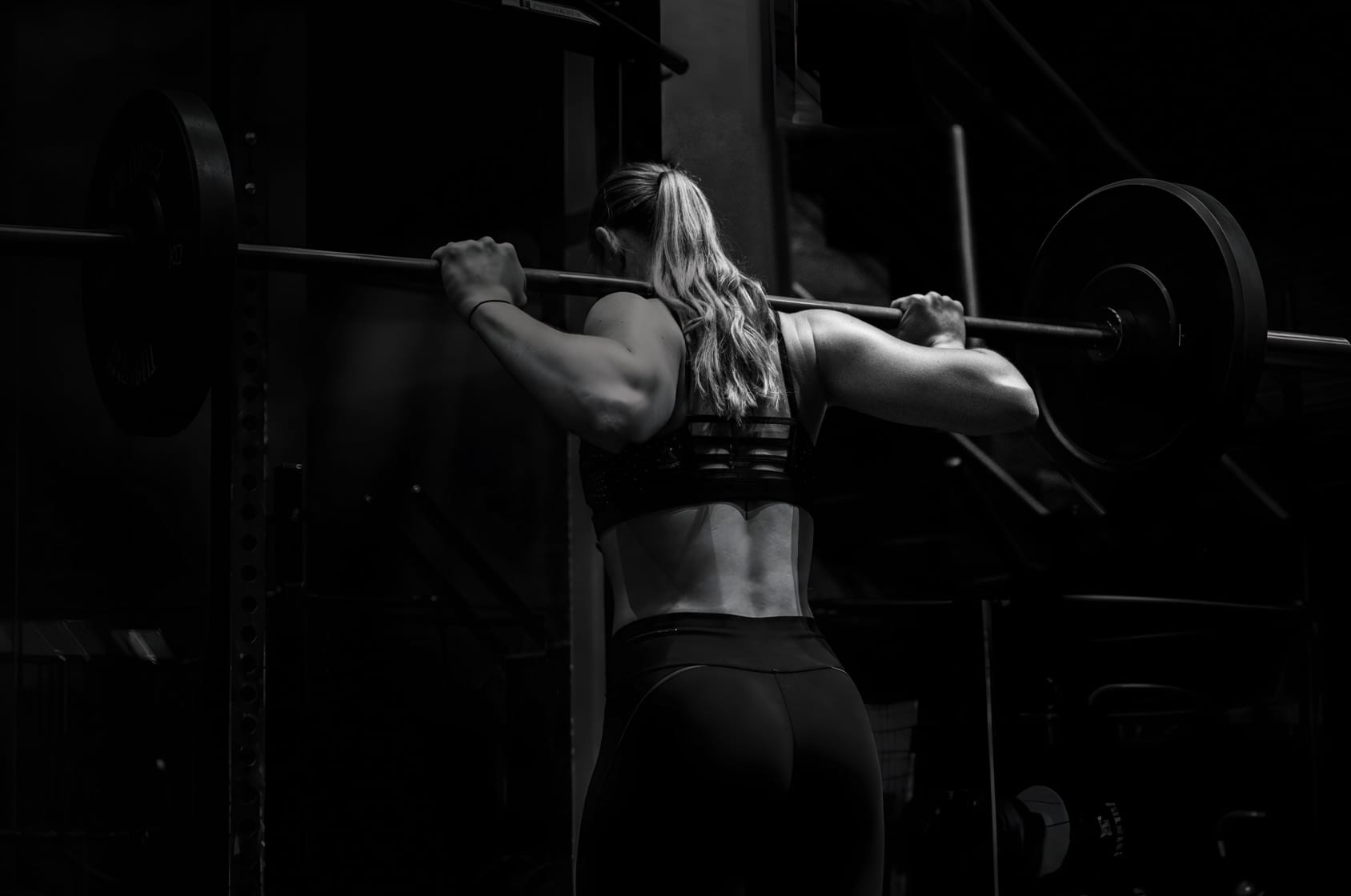
Every week, I’m squatting, hinging, lunging, pushing, pulling, moving weight and getting up and down from the ground. These are the same movement patterns we perform throughout our careers. Whether we’re lifting a patient, advancing hose, moving equipment, climbing stairs or getting in and out of the truck hundreds of times a year, these movements help us remain strong, efficient and capable on the fireground.
Between strength sets, I’m often working on mobility instead of sitting on my phone.
Improving how well I move has far more value on the fireground than adding another set of bicep curls.
Conditioning still matters. Firefighters need an engine, but you don’t build one by redlining every workout.
Most firefighters would benefit far more from developing a strong aerobic foundation and strategically adding high-intensity work than trying to “win” every training session.
One of the biggest changes I’ve made is moving away from chasing fatigue.
If I can’t recover, I can’t adapt. If I can’t adapt, I’m simply piling more fatigue onto a system that’s already under pressure. Firefighters spend enough time in fight-or-flight. The gym doesn’t need to become another emergency.
I’ve also learned that longevity isn’t built during a one-hour workout. It’s built in the other 23 hours of the day. Training is only one part of the equation. Protecting my sleep has become just as important as perfecting my squat. That means finding opportunities to sleep more when I can, while also improving the quality of the sleep I do get.
Creating space to decompress after difficult shifts has also become part of my routine.
Sometimes that means sitting by the fireplace with a coffee before the house wakes up.
Sometimes it’s a walk outside. Other times, it means giving myself enough space between work and home to leave one role before stepping into the other.
Mindfulness and breathwork have become part of my training because they help regulate a nervous system that spends far too much time on high alert. As I age, I want more than a strong body. I want a clear mind, emotional resilience and the ability to remain fully present for my crew and my family.
Connection has become just as important. I’ve stopped looking at time with family and friends as something that competes with my health. Those relationships are part of what protects it, and motherhood reinforced that lesson.
Some of my favorite mobility sessions happen while crawling around on the floor with my kids, wrestling in the living room, playing outside or simply being active together.
Movement is no longer confined to the four walls of a gym. It’s part of how we live.
When my kids are feeling overwhelmed, one of the first things we do together is slow our breathing. I want them to understand that taking care of their bodies also means taking care of their minds. We don’t just teach healthy habits. We model them.
My approach to nutrition has evolved in much the same way. I stopped chasing the newest trend years ago and returned to the fundamentals: enough protein, plenty of vegetables, foods that help me perform and recover, and supplements that genuinely support my health.
I’ll still enjoy wings with the crew or dinner with friends because those moments matter, too. At the next meal, I return to my normal routine. One meal doesn’t define your diet, just as one workout doesn’t define your fitness. The choices you make consistently over months and years are what shape your future.
As firefighters, we often pride ourselves on pushing through.
I’ve learned that longevity isn’t measured by how much punishment your body can tolerate.
It comes from developing the physical, mental and emotional capacity to continue showing up for your crew, your family and yourself for decades.
One of the greatest tragedies in our profession extends beyond the injuries we can see. Too many first responders gradually lose their sense of joy, purpose and fulfillment along the way.
When I think about longevity today, I don’t picture retirement. I picture wrestling with my kids on the living room floor and still saying yes when they ask me to do something together. I picture feeling mentally sharp after a difficult shift, laughing with friends around a campfire, and continuing to find purpose long after I’ve hung up my gear. I picture holding on to the joy that can sometimes get lost over the course of a career.
That’s the version of myself I’m training for.