By Ed Lippie
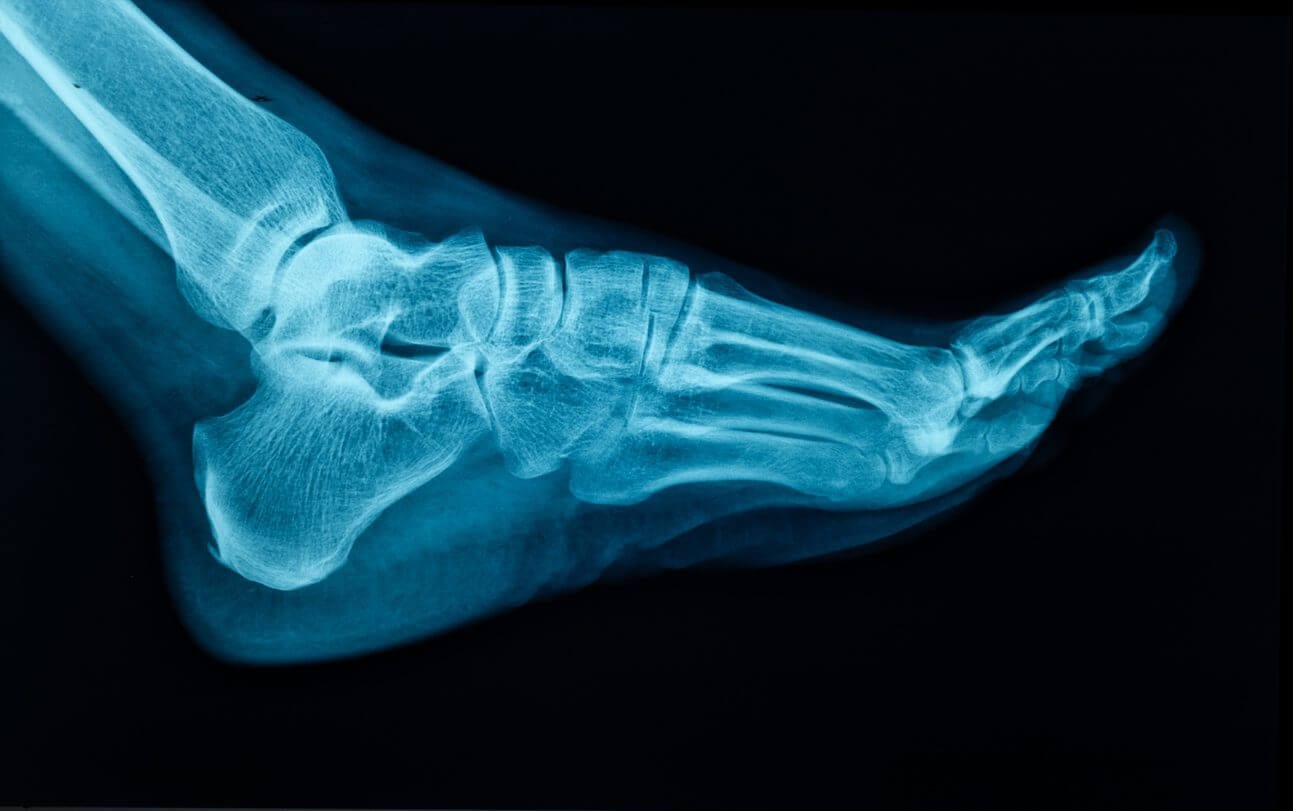
Intuitively, we all know that the strength of a structure starts at its foundation. That is certainly true of the human structure as well. Our feet are the complex foundation on which everything above it is built. Among the many things that have compromised the health of our feet is the footwear most of us use daily. The narrow toe boxes, ultra-supportive insoles and higher-than-necessary heels have significantly diminished the strength and functionality of our feet, leading to both acute and chronic issues, including:
- Bunions
- Hammertoes
- Plantar Fasciitis
- Achilles tendonitis and tendinopathy
- Compromised posture
The two best ways to avoid many of these common problems are to find the right footwear in addition to strengthening the intrinsic muscles of your feet and toes. Let’s start with footwear; as mentioned previously, most shoes are now made with narrow toe boxes that prevent proper toe splay. Remember that toes are the fingers of our feet and are evolutionarily meant to demonstrate dexterity and gripping strength. The over two millennia of shoe wearing has robbed modern-day humans of the foot strength and dexterity of our ancient ancestors. That’s not to say people should stop wearing shoes; it simply means we should wear shoes that have wider toe boxes and allow for greater toe splay while only using minimal to no heel rise.
A good brand that follows this formula is Xero shoes. There are cases in which more cushion or an orthotic insert may be helpful to support the mid-foot arch in periods of acute inflammation. But as Courtney Conley, DC, one of the nation’s foremost experts on foot health, explains, orthotics are best used as temporary solutions and as a supplement to a more holistic foot health game plan. An easy way to determine whether a pair of shoes are too narrow for you is to take out the insole insert and place it on the floor, then stand on the insert if any of your forefeet moves over any part of the front of the insole, those shoes are too narrow.
Now let’s look at how to improve foot/toe strength. One of the unfortunate realities of aging is losing receptor sensation in our feet while losing 35% of the strength in our toes between the ages of 50-80. One thing we can do is to wear shoes less often, for example at home is a great time to take your shoes off and allow your toes to splay as much as possible. For those with limited toe splay, toe spacers are a good idea. Simply starting with wearing toe spacers around the house for 5 minutes and building to an hour or two each night can really help restore proper toe splay. In fact, eventually, you may even consider wearing toe spacers inside your wider-toe box shoes. Here are some toe spacers that would work for both around the house and in wider shoes.
Other foot/toe strengthening activities include: (best done with bare feet or in socks)
- Rising up from a position with your heals on the ground to your “tiptoes” 10-20 times per day (no need to use a step, from the floor or ground is sufficient).
- Emphasizing pushing off your big toes when you walk is very important – the heel/toe walk is an effective exercise to help with this. As you walk in bare feet or socks, rock from your heel all the up through your mid foot to your big toe while emphasizing the push off of your big toe as you finish each step.
- Toe yoga – try to move your big toes up and down independently of your other four toes and vice/versa. This is very difficult for most people, so you can use your hands to hold down your big toe and the other four toes while trying to do this exercise.
- Towel scrunch – lay a towel flat on the floor, in a seated position, put one foot on the end of the towel closest to you, then use your toes to scrunch the towel until the entire towel has been gathered in front of you. Repeat and then do the same on the other foot.
- Seated calf raises.
- Stretch your calves (both gastroc and soleus) every day.
- Single leg balance, when you’ve reached 30 seconds on each foot try eyes closed for 15-20 seconds.
- These are the basics, but there are many more. If you are interested in learning more, please reply directly to me.
The foot is a complicated anatomical structure that we often take for granted. Hopefully, I’ve raised awareness of addressing existing foot pain and, more importantly, provided some simple action items that will prevent foot problems altogether. For parents of young children, try to keep your kids out of shoes around the house as much as you can during their first five years. It will help them develop the intrinsic foot musculature that will set them up well as they age.