
I’d read Mike Roth’s article, Fractured: What Happens When Firefighters Break, before. He sent it to me earlier, and I sat with it then, too. But seeing it go live this week felt different, knowing it was now out there for others to take in on their own. The words didn’t change, but the weight did. I found myself thinking less about the writing and more about the reality behind it — how easily this could have been any one of us.
Mike is a good friend of mine. He’s a good man — thoughtful, intelligent, and self-aware. I never had the chance to work alongside him as a firefighter, but I’m sure he was one hell of a firefighter. Like most firefighters I know, he’s also high-functioning. Capable. Sharp. Used to carrying responsibility without making a show of it. We talk often about how that same intelligence can work against us. How being competent and confident can trick you into thinking you’ll see the hard stuff coming early enough to manage it cleanly.
We convince ourselves we’ve got a crystal ball.
When the Ordinary Becomes Life‑Changing
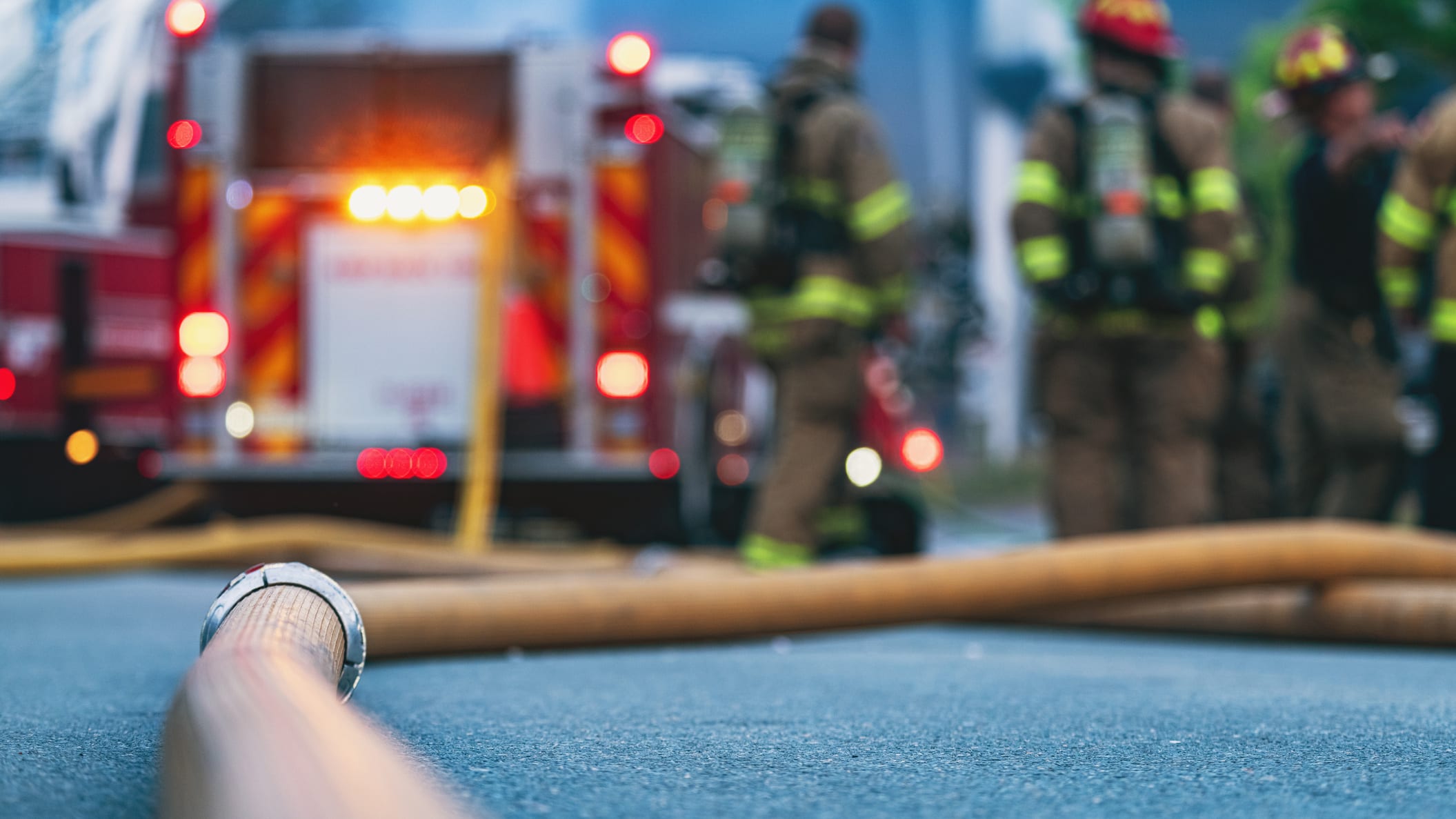
What happened to Mike is a reminder of how fragile that belief really is. He stepped over a high-volume fire hose, broke his foot, and that single moment altered the direction of his life. Not because he was careless. Not because he ignored a warning sign. Just because life happens fast and doesn’t ask permission. That’s the part that sticks with me. How ordinary the moment was. How unremarkable it would’ve looked from the outside. And how profound the impact became.
Mike writes about being sidelined and what that does to identity. About how injury doesn’t just take you off the floor or out of the truck — it separates you from the pack. It doesn’t matter if you’re off for a few shifts or facing something far more permanent. The emotional hit lands the same. You watch your crew roll out without you. You lose routine. You lose rhythm. You start filling the quiet with your own assumptions about what you mean now, and whether you still belong.
This is where firefighters struggle, especially the high-functioning ones. We don’t always realize how much we’re carrying until we’re already isolated. We wait. We assume people will know. We assume someone will reach out. We tell ourselves we’re fine or that we’ll deal with it later. Meanwhile, the internal narrative gets louder — and it’s rarely fair or accurate.
The Weight of Disconnection
Mike’s piece isn’t about weakness. It’s about reality. About what strength actually looks like when the uniform comes off and the job takes something from you. Strength isn’t pretending you’re unaffected. It isn’t disappearing. It isn’t trying to solve everything alone in your own head. Strength is staying connected. Strength is showing up when it’s uncomfortable. Strength is being willing to be human inside a culture that still rewards invincibility.
Mike and I have talked a lot through all of this. Not trying to explain it or solve it — just talking. Letting it sit where it sits. Taking it in without rushing past it. Those conversations didn’t stay private, either. Other people overheard them. Jumped in. Or just stayed quiet and listened. And I’ve noticed how much that matters.
I don’t take friendships like that lightly. I’m grateful for people who make me better just by being who they are. People who don’t need answers or fixes — they just show up. People who I know have my back, and who know I have theirs. There’s something about that kind of connection — the honesty, the lack of bullshit — that feels rare. And it does something important. It grounds you. It strengthens you in ways you don’t always notice until you really need it.
The Strength We Borrow From Each Other
They say if you want to see how successful someone is, look at their friends. I’m proud to have people like Mike in my life. People willing to put words to experiences most firefighters quietly carry. Our stations are full of faces dealing with real injuries, real identity shifts, real internal battles we rarely see until someone is forced out of the room.
The truth is, what happened to Mike could happen to any one of us. None of us are as far from the edge as we think. And when we get there, the things we thought made us strong aren’t always the things that hold us up.