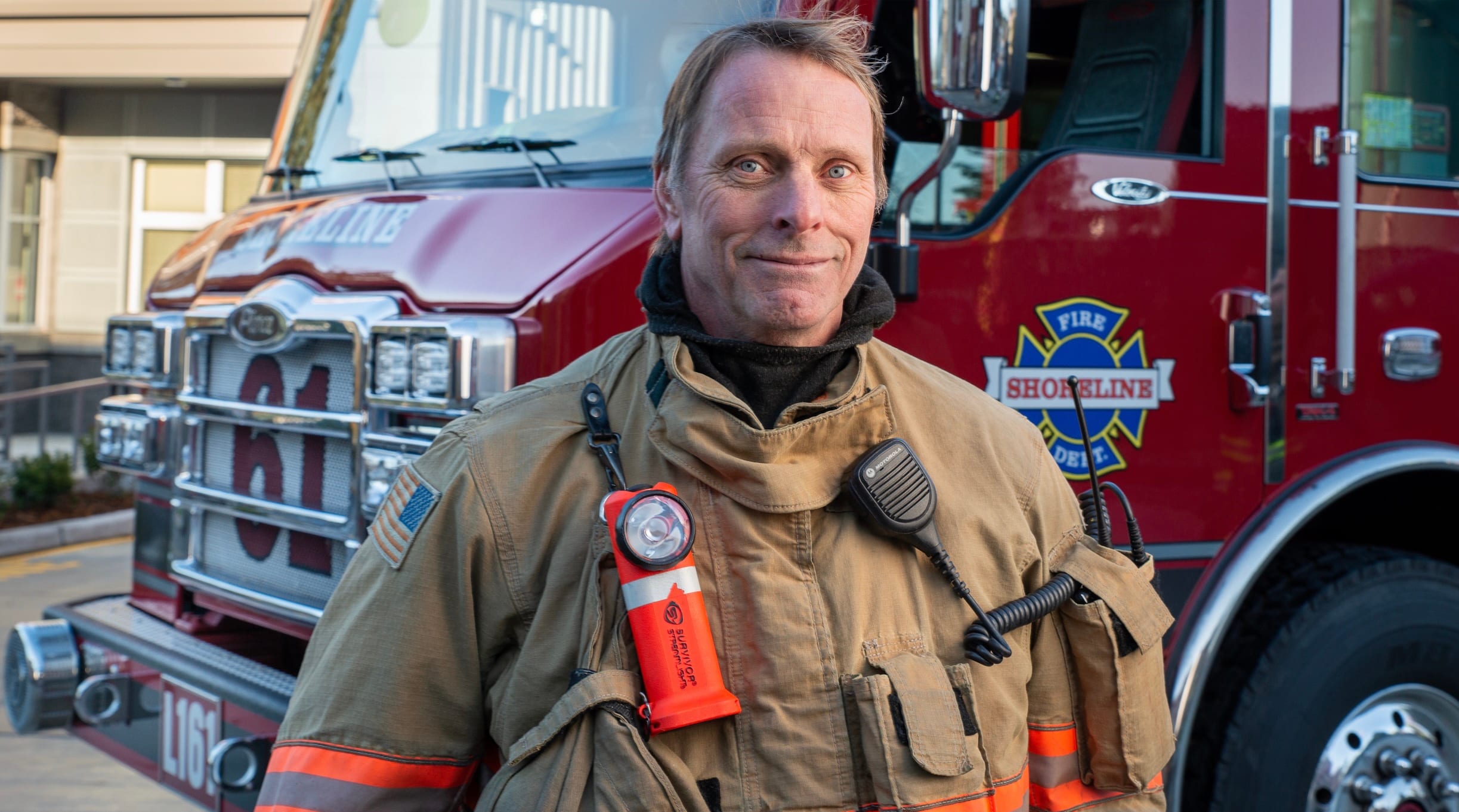
In an age of alienation, the fire service keeps a promise: when you call, we come
“Every so often, in the midst of chaos you come upon the scene of a bunch of firefighters putting out a fire. Maybe the last shred of faith people have is in their firefighters.” — Kurt Vonnegut
We live in an age of alienation. Neighbors don’t know each other’s names. Social media connects millions while leaving individuals profoundly alone. Trust in institutions has cratered. And yet — at three in the morning, when the kitchen fills with smoke, or an elderly man collapses on his bathroom floor, or a child gets her head stuck between porch railings — nobody hesitates. Citizens call 911, and we come. Not eventually. Now.
The American fire service is, in this sense, the last unconditional promise in public life. No copay. No appointment. No means test. No political affiliation required. The truck rolls whether it’s a CEO or a convict, whether the neighborhood is manicured or forgotten, whether the call turns out to be a working structure fire or a cat that needs coaxing from a tree. The commitment is total, and it asks nothing of our citizens in return except they stay back and let us work.
Kurt Vonnegut also said that the best symbol of man’s humanity to man is a fire engine. At first glance, it sounds like the kind of remark you might let slide past — a little whimsical, a little odd. But sit with it for a moment and it opens into something profound. In a civilization increasingly defined by isolation, indifference, and the quiet erosion of community, the fire engine remains something almost sacred. It’s the one institution we have collectively agreed, without negotiation, to call when everything falls apart.
The Promise We Keep
What most people don’t fully appreciate is the scope of what that commitment has come to mean. We know the fire service outgrew its original mandate long ago. Today’s firefighters are, in most communities, the primary responders to medical emergencies — heart attacks, overdoses, automobile accidents, and psychiatric crises. We are trained in technical rescue, swift water operations, hazardous materials response, and disaster relief. When hurricanes flatten coastal towns, when wildfires consume entire counties, when a building pancakes in an earthquake, it’s firefighters who move toward the rubble while everyone else moves away.
They do this, in thousands of communities across the country, as volunteers. Nearly 70% of American firefighters receive no pay for their service. They work their regular jobs, raise their families, and then — at any hour, in any weather — they answer the tones and go. This is not a relic of a simpler time. It’s an active, daily choice made by ordinary people who have decided their neighbors are worth showing up for. That is not nothing.
In the current cultural moment, it’s remarkable!
There’s a reason firehouses feel different from other government buildings. Walk into a DMV or a courthouse and you feel the institutional weight of the state. Walk into a firehouse and you feel something else — something closer to a home, or a family kitchen. The culture inside our walls is built around readiness and mutual reliance. You depend on the person next to you with your life, and they depend on you. That kind of bond doesn’t develop through a training manual. It develops through shared meals, shared danger, and the understanding that when the bell rings, everything else stops.
Built on Trust
Author Kurt Vonnegut was onto something that transcends metaphor. The fire engine is not merely a symbol of emergency response. It’s a symbol of the agreement we make with each other when we decide to live in community; the agreement that says: “We won’t let your house burn, or let the storm overwhelm you.” It says this regardless of who you are, how you vote, what you’ve done or failed to do. It says it at midnight and on Christmas morning and in the worst weather.
In a fractured, exhausted, go-it-alone society, that agreement still holds. The truck still rolls. And for those few minutes between the call and the arrival — when people are frightened and overwhelmed and in desperate need of another human being — the sound of that siren is the sound of civilization keeping its word.
That’s who we are and that’s what we do.
Photo by Steve Baer | FireDog Photos