The 2025 Fire Service Thought Leadership Essay Competition – Darley’s 4th annual contest, produced in collaboration with the National Fallen Firefighters Foundation
This competition invited firefighters at every rank to explore the “why” behind mental health challenges in the fire service. Eighty-five peer-reviewed entries were evaluated for actionable solutions, impact, writing quality, and intangibles, with cash awards for the Top 3 and broad recognition across the fire service media and events landscape.
By centering the root causes (not just the symptoms) of behavioral health issues, the program surfaces field-tested ideas from those closest to the work. It reduces stigma, elevates practical solutions leaders can implement now, and accelerates cultural shift toward psychological safety, better sleep/recovery practices, and access to competent care.
The following essay by Stephen Lindsey, Deputy Fire Chief, Palo Alto Fire Department, Lead, Health and Wellness and Peer Support Program, is first runner-up in the competition.
Yes, firefighters are unique. From the moment we begin hiring, we search for candidates shaped by personal adversity – evident in the classic interview question: “Tell us about the worst day of your life and how you overcame it.” We are wired to be the helpers and the healers, often driven by unresolved trauma, a deep sense of purpose, and a desire to protect others the way we once needed protecting ourselves.
This essay offers personal observations drawn from over two decades in the fire service and a lifetime in a family of firefighters. It builds upon foundational work, like the Yellow Ribbon Report, by exploring how identity, pride, adverse childhood experiences (ACEs), and the chronic overuse of our amygdala to stay in “go mode” contribute to our mental health struggles. Additionally, it highlights the overlooked superpower – and vulnerability – of neurodivergency in the fire service. When all these ingredients are combined, they create a uniquely challenging and often volatile psychological landscape that demands deeper understanding, greater compassion, and new solutions.
Today, thanks to critical research such as the IAFC’s Yellow Ribbon Reports, we understand more than ever that firefighters are at significantly higher risk of mental health challenges compared to the general population. These challenges, while often less visible, can have serious – and at times fatal – consequences.
Throughout my over 20 years in the fire service – from transport paramedic to deputy fire chief – I’ve witnessed and experienced firsthand the complexity of firefighter mental health. Historically, coping mechanisms were cloaked in humor, often dark and dismissive, disguising the real anguish beneath. Yet today, our profession stands at a critical juncture where the minimum – awareness and basic peer support – is no longer sufficient. We must evolve, exploring deeper into the roots of our collective mental health struggles.
The Power of Peer Support and Shared Experience
When I first became a battalion chief, a respected mentor courageously shared his past suicide attempt with me. He wasn’t simply confessing a dark moment; he was warning me. The intensity of our responsibilities, combined with a culture that rarely tolerates vulnerability, is a recipe for mental health crises. This conversation sparked the creation of an informal but deeply impactful peer support group among chief officers from various departments.
What began as coffee talks transformed into profound discussions and group somatic therapy sessions, teaching us techniques like breathwork and body scanning. Initially skeptical, we quickly recognized how invaluable these practices were, dismantling years of ingrained cynicism toward self-care. Most revealing was discovering our support group shared startlingly similar ACE scores, suggesting a deeper connection between early trauma and our motivation to become firefighters.
Scientifically, firefighters are different. MRI studies demonstrate that firefighters develop an oversized and hyperactive amygdala – the brain’s emotional and stress response center. Our ability to instantly shift into emergency mode (“go mode”) is an essential survival tool, enabling swift action during crises. Yet this same capability becomes a vulnerability off-duty, often causing us to catastrophize personal and professional events unnecessarily.
This biological difference underscores a critical point: firefighter mental health struggles are not merely societal but rooted deeply in the profession itself.
Neurodivergency: A Hidden Superpower
Another critical yet often overlooked factor contributing to mental health challenges in the fire service is neurodivergency. Conditions such as attention deficit disorder (ADD), attention deficit hyperactivity disorder (ADHD), and dyslexia are surprisingly common among first responders. Their “superpower” lies in hyper-focus, a state driven by dopamine surges triggered during critical incidents.
Research indicates that when not faced with intense, dopamine-inducing situations, neurodivergent individuals often engage in dopamine-seeking behaviors to maintain equilibrium. In fact, studies suggest individuals with ADHD are significantly more prone to emotional dysregulation due to neurochemical imbalances.
When combined with the oversized amygdala and cumulative trauma exposure, these dopamine fluctuations increase mental health crisis risks. Fire departments can support neurodivergent firefighters with structured routines, dopamine detox protocols, mindfulness, and emotional regulation strategies.
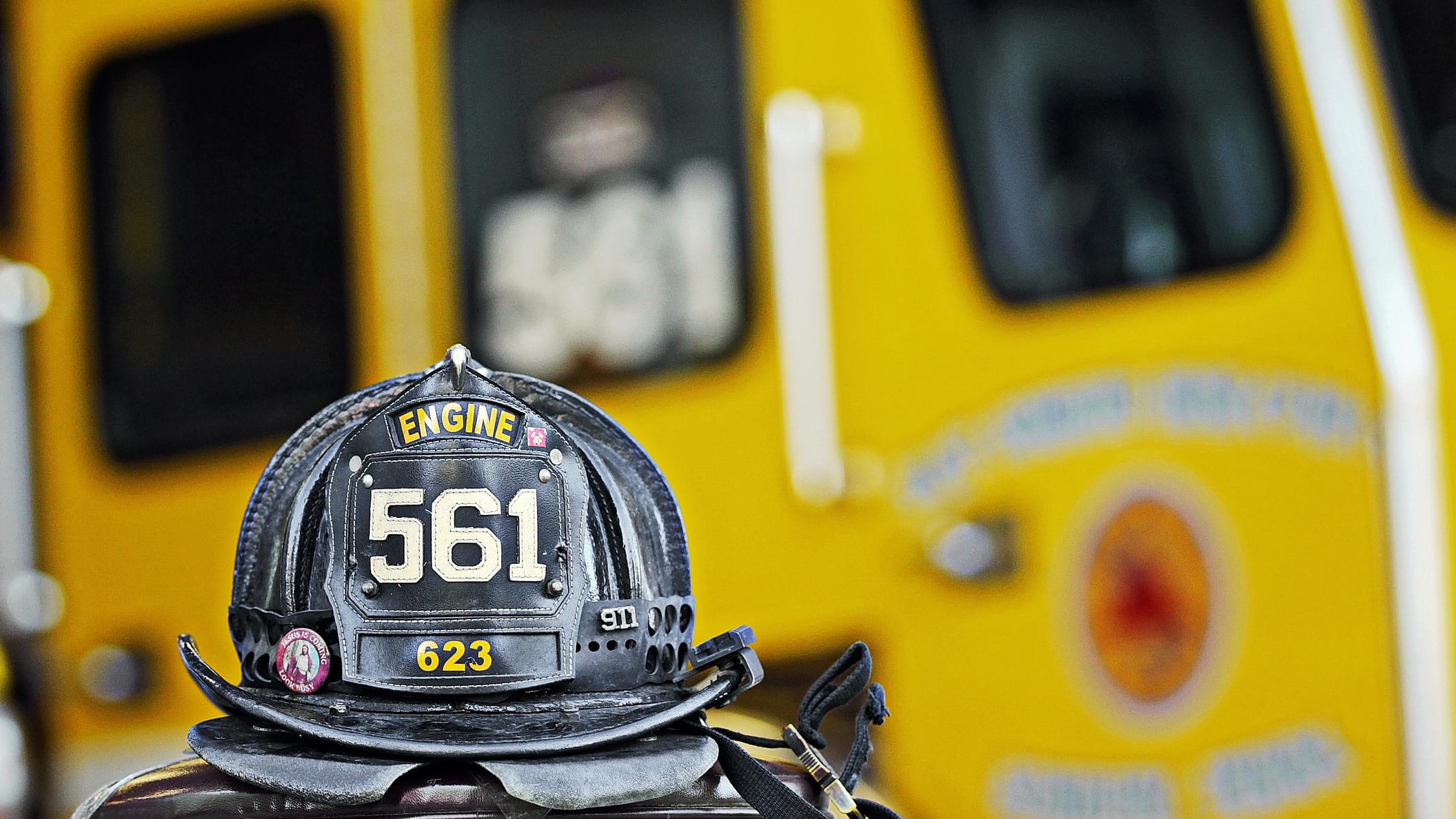
By understanding and embracing neurodivergency, we can better support firefighter wellness, turning potential vulnerabilities into remarkable strengths. Meaningful solutions begin with culture. While traditions – such as leather helmets, bold mustaches, or American flag tattoos – are symbols of pride, they must no longer overshadow genuine wellness practices. The true firefighter hero should be redefined as the humble warrior practicing intentional daily wellness routines.
Rethinking Hiring and Wellness Culture
One proactive solution is restructuring our hiring practices. Firefighters are often screened indirectly for resilience through trauma-related questions during hiring but rarely assessed directly for wellness strategies. Another impactful measure is comprehensive wellness programming, tailored specifically to firefighters’ unique physiological and psychological needs. Encouraging continuous wellness education through trusted sources empowers firefighters to adopt and sustain effective self-care strategies.
Firefighters instinctively heal others but frequently neglect their own well-being. It is essential that senior officers and influential personnel openly model vulnerability. Peer support saved the lives of close friends. Watching them rediscover stability and happiness after prolonged battles with PTSD reinforced my belief that targeted intervention – especially early – is not only effective but lifesaving.
Mental wellness, much like physical fitness, requires ongoing commitment. Firefighters need to develop personalized wellness plans, including intentional practices such as mindfulness, creative arts, breathwork, nutrition, exercise, and self-reflection. A cultural shift also involves changing narratives within the firehouse. Promoting proactive wellness habits and embedding them into daily routines ensures these changes last.
Firefighter mental health struggles are unique, shaped by a distinctive mix of physiological responses, occupational hazards, cultural pressures, and individual experiences. Our profession must courageously address these issues head-on, moving beyond awareness to actionable, systemic change. By openly embracing vulnerability and fostering an inclusive, supportive environment, we can and will transform firefighter wellness, ensuring a healthier, stronger fire service for generations to come.