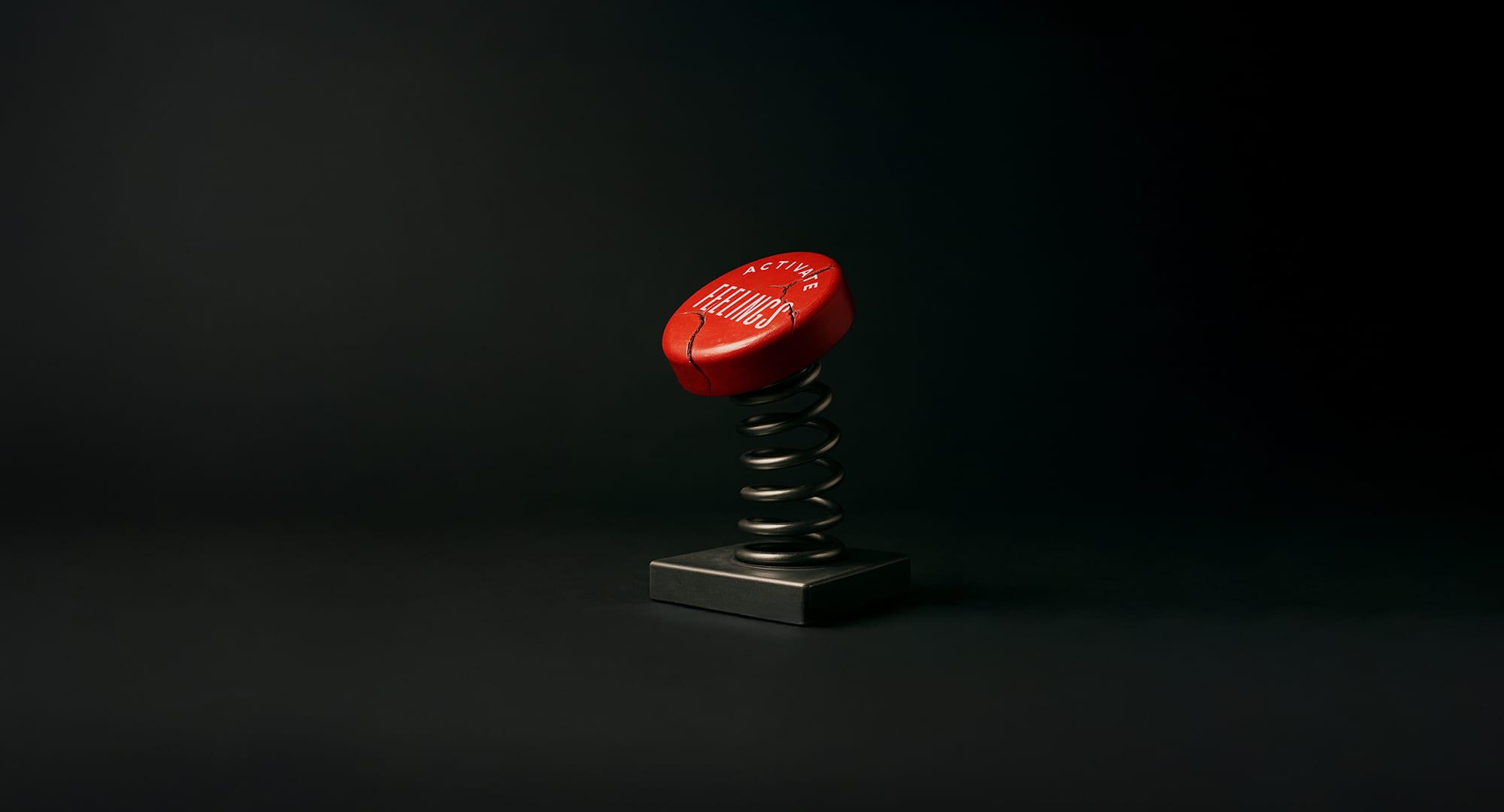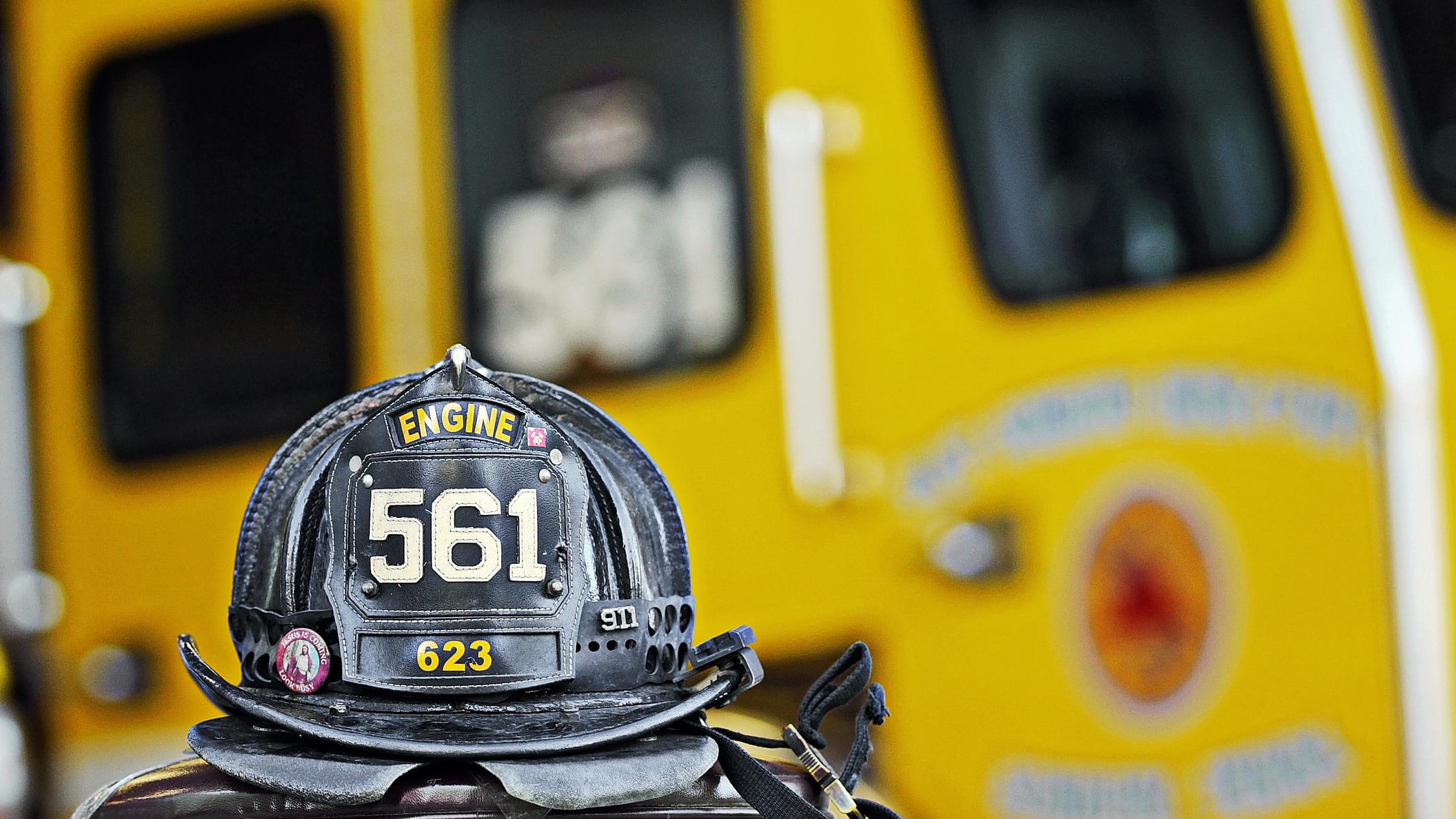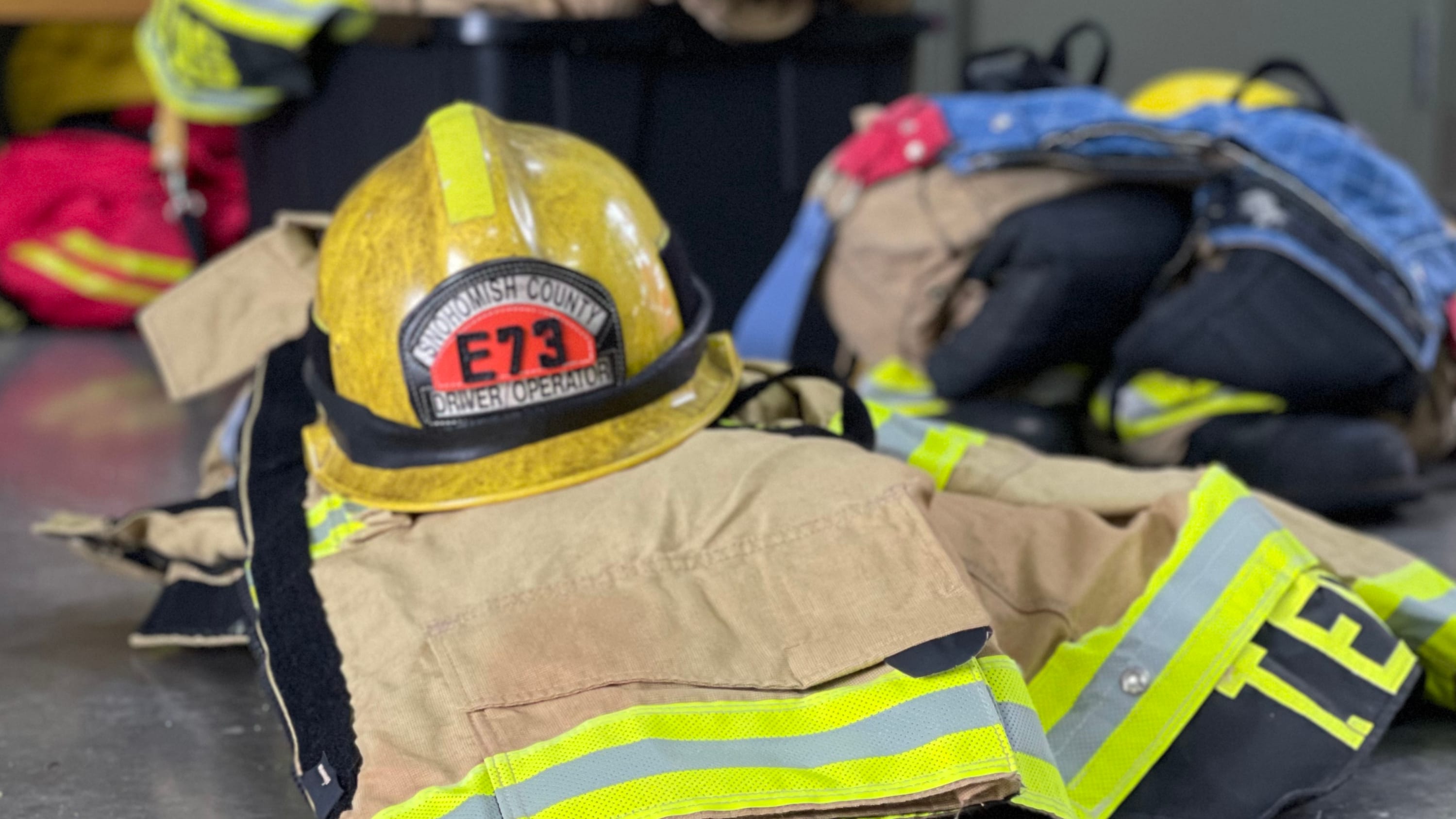
Are we programmed to fail the moment we’re sidelined? Does a torn ACL or a bout with pneumonia instantly erase our place in the pack, forcing us to start over like probies?
You’ve probably missed a couple of shifts when you’re sick and felt like a piece of shit, I know I did. When I suffered a career-ending injury at a routine fire, I spent four years convinced I’d been erased from the brotherhood. Neither of these things is fair. Neither is rational, but both are brutally, painfully real.
Here’s the trap we set for ourselves: We build our identity on invincibility. We know it’s bullshit – we all sat through the academy lectures about the hundred firefighters who die annually in the U.S. But we need that illusion to enter burning buildings, to affect the rescue, to do the job. So what happens when reality hits?
The statistics are grimmer than most of us know. Research shows that one in seven career firefighters suffers a lost-time injury every year. Over a 25-year career, that’s a 97.7% chance you’ll get hurt badly enough to miss work. Add in the heart attacks, cancer diagnoses, and lung diseases that hit us at rates far exceeding the general population, and the math becomes unavoidable: Most of us won’t make it through unscathed.
But here’s what the numbers don’t capture: the severity of the injury doesn’t matter. Whether you’re off for two shifts with the flu or facing a career-ending ailment, the emotional impact hits the same. You lose your tribe. You lose your purpose. Your identity fractures. Your crew rolls out without you, and you’re left watching from the outside, wondering if there’s still a place for you inside.
When Invincibility Fails
The story of my injury illustrates this perfectly. A routine fire. A routine task. A nothing fire I didn’t walk away from. Six years later, I wear a prosthetic leg and carry scars that go far beyond the physical injury.
I failed publicly. My vulnerability was laid bare for everyone to see. I was embarrassed that I wasn’t in the station anymore, and I was ashamed that I didn’t fulfill my end of the bargain because I wasn’t tough enough or strong enough.
So I hid. For more than four years, I waited for someone to reach out, to telepathically know I was drowning. Several did reach out, but I didn’t reciprocate. I drifted further from the fire service, the isolation compounding the original trauma, until I attended FDIC last year.
That’s when everything changed.
Walking into FDIC forced me to confront what I’d been avoiding: The demons weren’t external. They were between my ears. I had convinced myself that my brothers and sisters had written me off, that my injury made me less than, that I had no place in the pack. But when I actually showed up – when I forced myself into the discomfort of being present – the truth was revealed.
Nobody had forgotten me. Nobody thought less of me. The barrier wasn’t their acceptance. It was my own voice telling me I didn’t belong anymore.
Vulnerability Builds Stronger Connections
Since stepping back into the fire service community, I have connected with other injured firefighters. These relationships have become lifelines, not because I’m fixing anyone’s problems, but because I’m reconnecting with my brothers and sisters. I’m reminded of what we all need to remember: Firefighters are pack animals. We don’t do well separated from our pack.
This is the paradox we need to embrace: Showing vulnerability doesn’t weaken the brotherhood, it strengthens it. When you reach out during your lowest moment, you’re not being weak. You’re being brave enough to trust the very bonds we celebrate when things are going well.
We spend so much time talking about having each other’s backs in fires, during rescues, in dangerous moments. But what about when the danger is isolation? What about when the fire is burning inside someone’s head?
Sometimes we forget what good feels like. When you’re stuck on the couch, wishing you could suit up, it’s hard to see what’s in front of you. The path back isn’t always clear. But here’s what is clear: Waiting for someone to read your mind will leave you waiting. Sending a text that says, “Can we grab lunch?” or swinging by the station for coffee takes courage, but it works.
What Can We Do?
If you’re injured or sidelined: You don’t need to text, “I’m having a hard time,” or “This is bothering me.” Most of us aren’t wired to be that direct, and that’s OK. You just need to create the opportunity for connection. “Want to grab lunch?” or “I’m swinging by for coffee” is enough. Show up. Let the rest take care of itself.
If you’re supporting someone who’s injured: Don’t wait for them to ask. They won’t. Reach out. Send the text. Make the call. Stop by their house. And when you do, just start the conversation and let it go where it needs to go. You’re not there to fix their problem, you’re there to remind them they’re still part of the pack.
The advice is simple: Reach out and listen. The rest will take care of itself.
The Culture We Build
Here’s the call: Check in on each other. Not just after major injuries, but regularly. Make it normal to ask, “How are you really doing?” and actually wait for the answer. Understand that emotional health is as critical as physical health – we’re better at dealing with broken bones than broken spirits.
We pride ourselves on never leaving anyone behind in a fire. Let’s extend that same commitment to the firehouse, to recovery, to the daily grind of this job. Because the truth is, we’re all going to need it at some point.
Don’t wait for your brothers and sisters to know you need them. They’re not psychic. Reach out. Show up. Be vulnerable enough to stay connected.
That’s not a weakness. That’s the strength that keeps us all going.