Why protecting the minds and bodies of first responders is essential to sustaining the profession
For generations, first responders have carried an unspoken belief that we are supposed to be built differently, stronger, less affected, and able to handle what others cannot. Strength absolutely matters in this profession. Steadiness matters. Courage matters. But beneath the uniform and the expectation is a simple, powerful truth: we are human. We have brains that process stress, bodies that absorb exposure, and nervous systems that respond to trauma, sleep disruption, and cumulative strain. That reality is not a flaw in the profession. It is physiology.
The Fifth Annual First Responders Brain and Body Health Symposium was created to honor that truth. Held May 7-8, 2026, at the St. Elizabeth Training & Education Center in Erlanger, Ky., this two-day event brings together more than 24 expert speakers from across the country who are dedicated to advancing the health and longevity of those who serve.
Day one features keynote presentations designed to inspire and challenge attendees to think differently about brain and body health. Day two provides hands-on workshops that equip participants with practical tools they can implement immediately within their departments and personal lives. The goal is not simply to inform, but to empower.
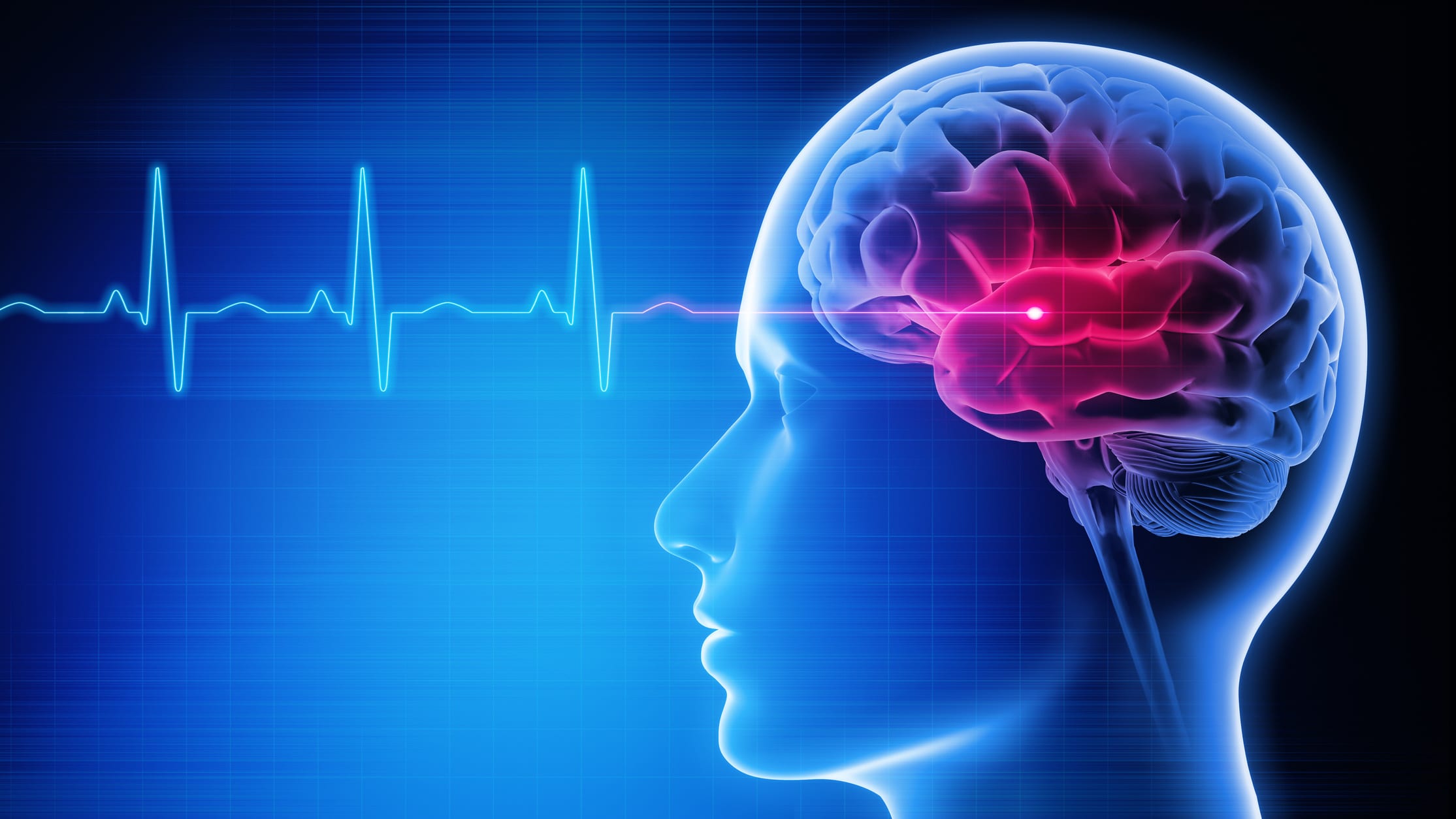
The science is clear. Research from the National Institute for Occupational Safety and Health continues to demonstrate elevated cancer risks among firefighters due to occupational exposure. Neuroscience shows that chronic stress and sleep disruption directly affect mood regulation, cardiovascular health, cognitive clarity, and long-term performance. Behavioral health data across public safety professions underscores the importance of early intervention, peer support, and proactive wellness systems.
When Research Speaks, We Should Listen
This is physiology in action, not weakness. It responds to education, prevention, and community. This symposium opens the conversation, giving permission to recognize limits before they become crises, to treat sleep, screening, therapy, peer support, and recovery as smart choices, and to see seeking help not as a sign of weakness but as a step toward greater strength.
Attendees will gain practical strategies to regulate the nervous system under pressure, improve recovery within the realities of shift work, reduce occupational health risks, recognize early signs of overload, and strengthen peer support frameworks within their departments. Leaders will leave with tools to build cultures where brain and body health are part of operational readiness. Individual responders will leave with a deeper understanding of how their systems function and how to protect them.
The First Responders Brain and Body Health Symposium is not about fixing broken people. It is about protecting healthy ones before preventable damage occurs and preserving clarity, stamina, and compassion across a career. In an era of recruitment challenges, early retirements, and rising occupational illness, investing in comprehensive wellness is not optional.
Departments that prioritize brain and body health see stronger morale, better retention, and sustainable performance. Most importantly, this symposium reinforces a shared responsibility: we cannot ask first responders to give everything to their communities while neglecting their own well-being. Protecting the protector is the mission.
Wellness Is Operational Readiness
Two days. Life-changing learning. Accessible, affordable, and intentionally built for those who serve. The First Responders Brain and Body Health Symposium stands as a reminder that you do not have to be superhuman to do this job with excellence. You simply have to be supported as a human while you do it.
And when we embrace that truth, we don’t weaken the profession. We strengthen it.
If you or someone you know is struggling, remember: help is available, healing is possible, and you are not alone. www.kyfrpst.org