
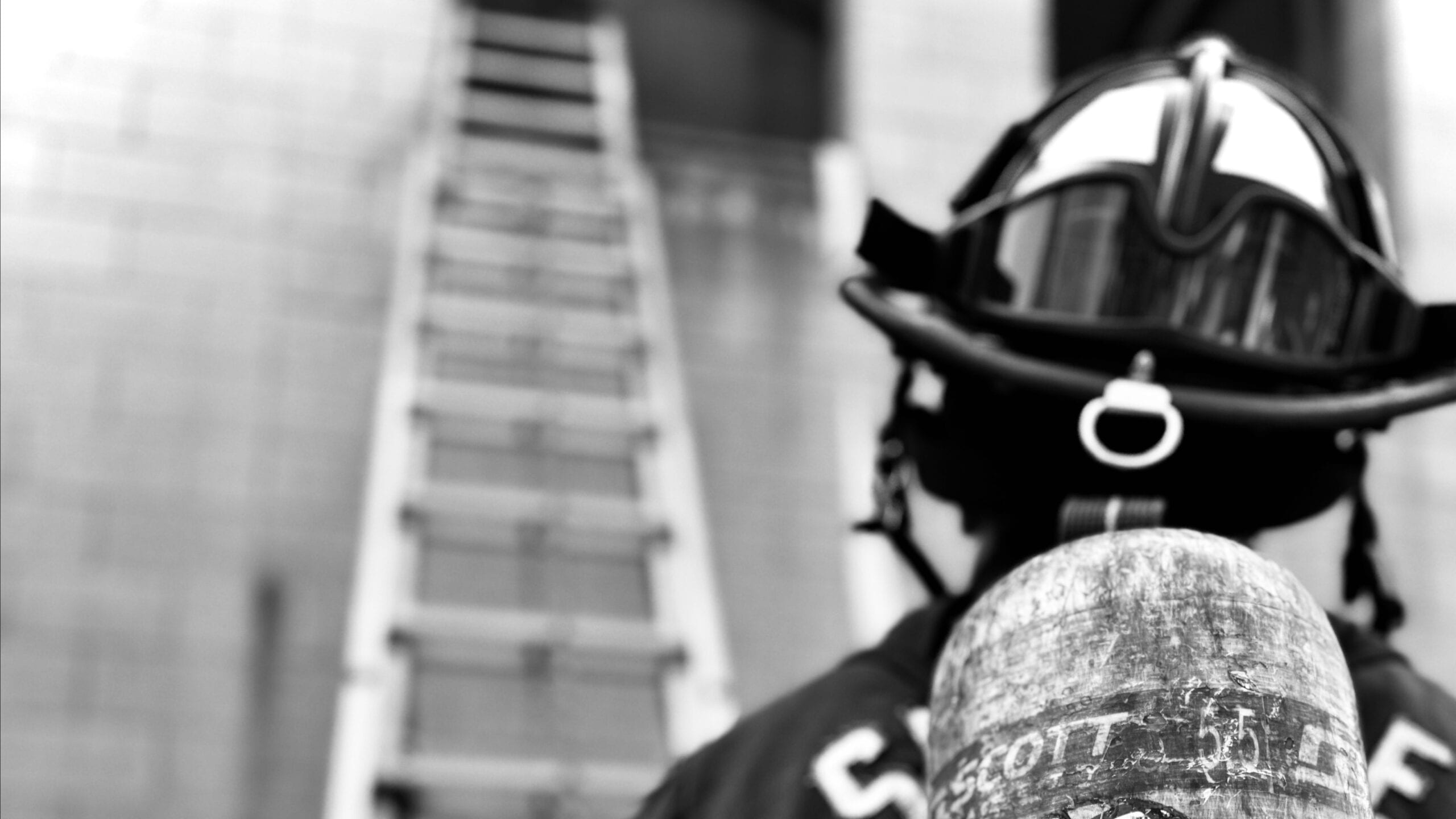
Photo by Steve Baer | FireDog Photos
As firefighters, we constantly face challenging situations that test our skills, resilience, and mental fortitude. But as we navigate these obstacles, we must consider the situations themselves and our outlook on them. Are we letting our circumstances dictate our feelings, or are we choosing how to respond? Understanding the difference between our situation and our outlook is crucial for our well-being and effectiveness on the job.
Let’s start by defining what we mean by “situation.” In our line of work, situations can range from high-stress calls and dangerous scenarios to the everyday challenges of balancing work and home life. These situations are often objective; they exist outside of us and can be tough to handle. It’s a harsh reality, and as firefighters, we know that each call can bring a wave of emotion – fear, anxiety, or even frustration. Recognizing that our situations can be challenging is the first step, but it’s only half the equation.
Now, what about “outlook?” This is where things get interesting. Our outlook is how we perceive and interpret situations – it shapes our emotional responses and influences our decisions. Two firefighters could respond to the same call: one may see it as a daunting challenge, while the other views it as an opportunity to make a difference. That perspective makes all the difference. An optimistic outlook allows us to build resilience and cope more effectively with the stresses of our jobs. It’s the mindset that can turn difficult situations into learning experiences.
A Tale of Two Firefighters
Let’s consider a real-life example.
Picture two firefighters at the scene of a structure fire. Firefighter A feels overwhelmed, focusing solely on the intensity of the flames and the risks involved. He’s anxious, and his fear impacts his performance. Meanwhile, Firefighter B approaches the same scenario with a sense of purpose. She sees the fire as a chance to work with her team, uphold their training, and protect life and property. While both are in challenging situations, their differing outlooks shape their actions and emotions. Firefighter B’s positive perspective enhances her performance and keeps her team motivated.
How to Shift Your Outlook
So, how do we shift our outlook? First, it’s important to practice mindfulness and self-reflection. Take a moment after a call to assess your feelings – why are you feeling that way? Engaging in gratitude journaling can also be powerful. Before ending your day, write down three things you’re thankful for, whether it’s teamwork on a tough call or support from your family. Positive affirmations can help reframe your mindset, as well. Remember, the way we talk to ourselves matters.
Surrounding yourself with positivity – whether it’s through supportive co-workers, mentors, or even uplifting podcasts – can greatly influence your outlook. Be intentional about the company you keep; positivity is contagious.
The Long-Term Impact of a Positive Outlook
Shifting your outlook can lead to healthier coping mechanisms on the job. Many firefighters have found that reframing their perspectives not only helps them manage stress better but also enhances their overall job satisfaction. Take a moment to evaluate your situation and outlook. Are there areas where a simple shift in perspective could lead to a more positive experience?
Understanding the difference between situation and outlook is crucial in our challenging profession. While we can’t always control the situations we encounter, we can choose how we respond to them. Cultivating a positive outlook can transform our experience as firefighters and enhance our effectiveness on and off the job. As you face the inevitable challenges ahead, remember: it’s not just about what happens to you but how you choose to see it.
Stay safe out there, and let’s keep moving forward with purpose and positivity.
Kory Pearn is a career firefighter and captain; and the founder, publisher, and editor-in-chief of CRACKYL Magazine.