“Keep Fighting” is an exclusive CRACKYL content series from the National Fallen Firefighters Foundation (NFFF) aimed at educating the fire service through first-hand accounts
Every summer, a group of children arrives at summer camp carrying a weight no young person should have to bear. They’re mourning a loved one — a firefighter to us, but to them a mother, a father, a sister, a brother — who died in the line of duty.
Some show up scared. Some angry. Others withdrawn, but for those who’ve been to camp before, they come eager to connect with old friends and meet new ones.
Eric Nagle, a family program specialist with the National Fallen Firefighters Foundation, has watched hundreds of kids walk in that way. And over a few days of camaraderie, campfires, and healing circles, he’s seen them slowly begin to recover.
“Camp allows them to not only grieve wherever they are on their grief journey, but also gives them a chance to heal and grow out of the camp experience,” says Nagel. “It gives them healthy tools to cope versus things that may not be so healthy.”
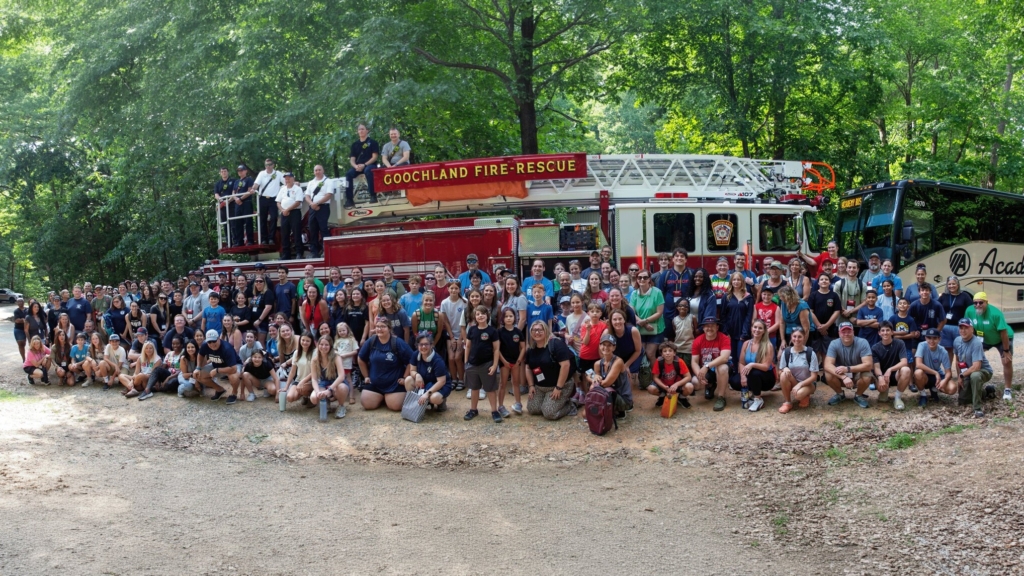
He’s describing the NFFF’s annual Hal Bruno Kids Camps, held this year June 26-28 in Glen Allen and Goochland, Va. They support the children, stepchildren, and siblings of firefighters who have been honored — or are approved to be honored — at the National Fallen Firefighters Memorial in Emmitsburg, Md. Two age-based tracks make up the program: Camp HAL (Healing After Loss) for children 4-6 years old and the Hal Bruno Comfort Zone Camp for kids ages 7-17, each teaming a safe space and therapeutic services with traditional camp activities.
For campers who eagerly await their time together all year long, these summer weekends are much more than counseling and cabin life. They’re an introduction or a return to a supportive community that understands their pain, addresses their needs, and provides the support needed to grow beyond loss and tragedy.
Established in the early 2010s in partnership with grief-focused Comfort Zone Camp — and named in honor of the dedicated fallen firefighters’ family advocate, Hal Bruno — the no-cost gatherings have grown into multi-tiered oases for children raised in the shadow of loss. Through specialized activities, discussions, mentorship, and a welcome break from the distractions of their iPhones and tablets, campers and their families can find a way to walk with their pain — and lifelong friends to walk with them on their very personal grief journey.
“It really gives the kids a chance to come together with others who’ve suffered similar loss,” says Nagel. “Through this connection, they can learn more about themselves, and in time, understand the feelings they’re experiencing.”
Creating a Safe Space
According to the grieving children and family-focused JAG Institute, one in 11 children will experience the loss of a parent or sibling before the age of 18. These deaths happen at a crucial time of development, and without intervention and support, could have an outsized impact on who a child may or may not become.
The firefighting community experiences line-of-duty deaths — ones that leave children without a parent or sibling — every year. The first Hal Bruno Kids Camp was established to provide support for these children via a specialized summer getaway. Started in 2012 with the Virginia-based Comfort Zone Camp — a nonprofit bereavement organization that specializes in operating grief camps — each year the Hal Bruno Kids Camps happen at a different location, bring in more than 100 campers from across the U.S., and provide open arms for those growing up without a cherished firefighting family member.
“The point of these camps is support for little ones all the way to age 17,” says Joanne Rund, Family Programs Director for NFFF. “When tragedy strikes, kids can get lost in the mix. Parents are grieving, and they’re not sure whether they can make it to the next step, let alone take care of these children. That’s where this support piece comes in, to give the kids a welcome place to be while they grow up.”
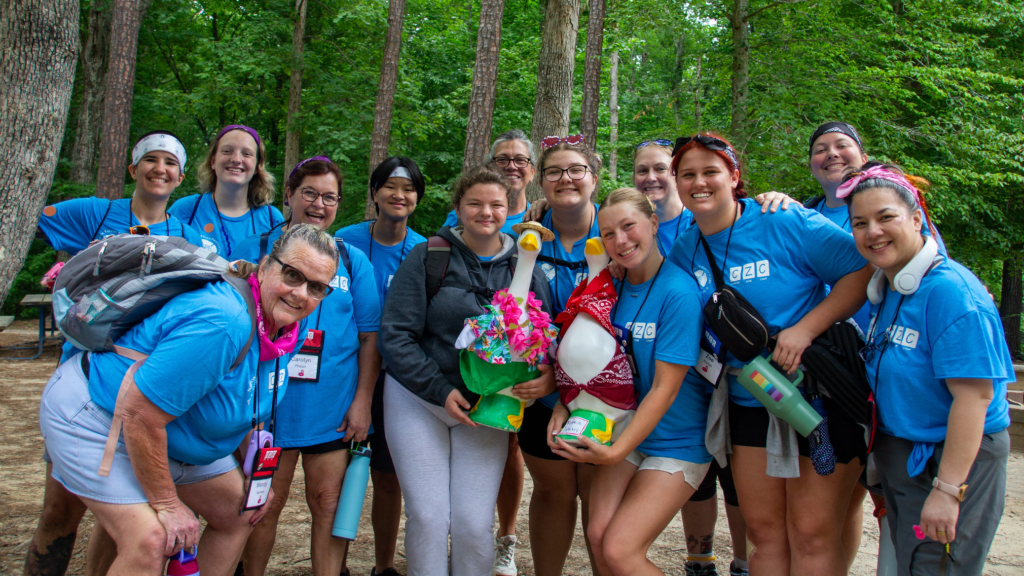
With the support of camp organizers, designated “Big Buddies” for every camper in attendance, mental health professionals, and local firefighting resources, each camp is its own experience, which makes every year a different kind of wonderful. At this year’s camp, the Virginia Fire Chiefs Association — as well as personnel at fire stations in Glen Allen and Goochland — provided additional resources like transportation, on-site fire safety experiences, and even costumed mascots to help each camp be as special as it could be.
But with every effort to bring some fun, there’s a focus on healing that carries every camper through their annual Hal Bruno experience.
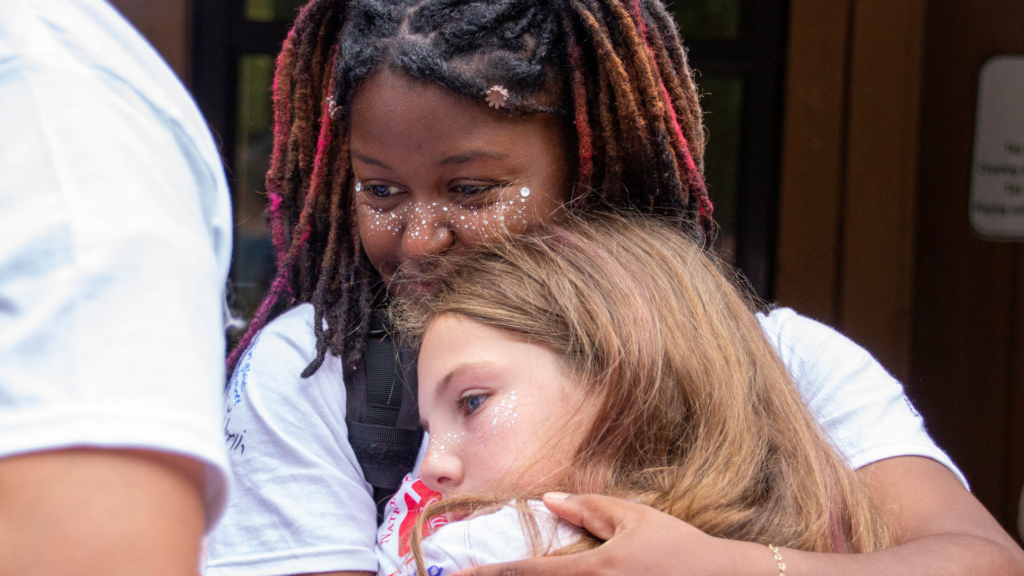
“Each child takes part in typical summer camp activities, but they’re also engaging in trust building activities,” says Nagel. “There are age-based support groups and healing circle groups led by trained therapists to break the isolation that grief can cause for kids.”
Growth in the Bubble
Various elements of camp assist attendees in breaking the isolation commonly found in grief so they can grow past the impact of early life trauma.
Finding friends with shared experiences and emotions is one. Finding comfort in the mentorship of a Big Buddy is another.
Each one of these supportive volunteers is a member of the firefighting community and, in many cases, a former camper aware of the grief journey each child is either beginning or managing through. These Big Buddies are tasked with accompanying campers through camp activities, providing answers to their questions within a shared, safe space, and offering assurance that each child will not go through their struggles alone.
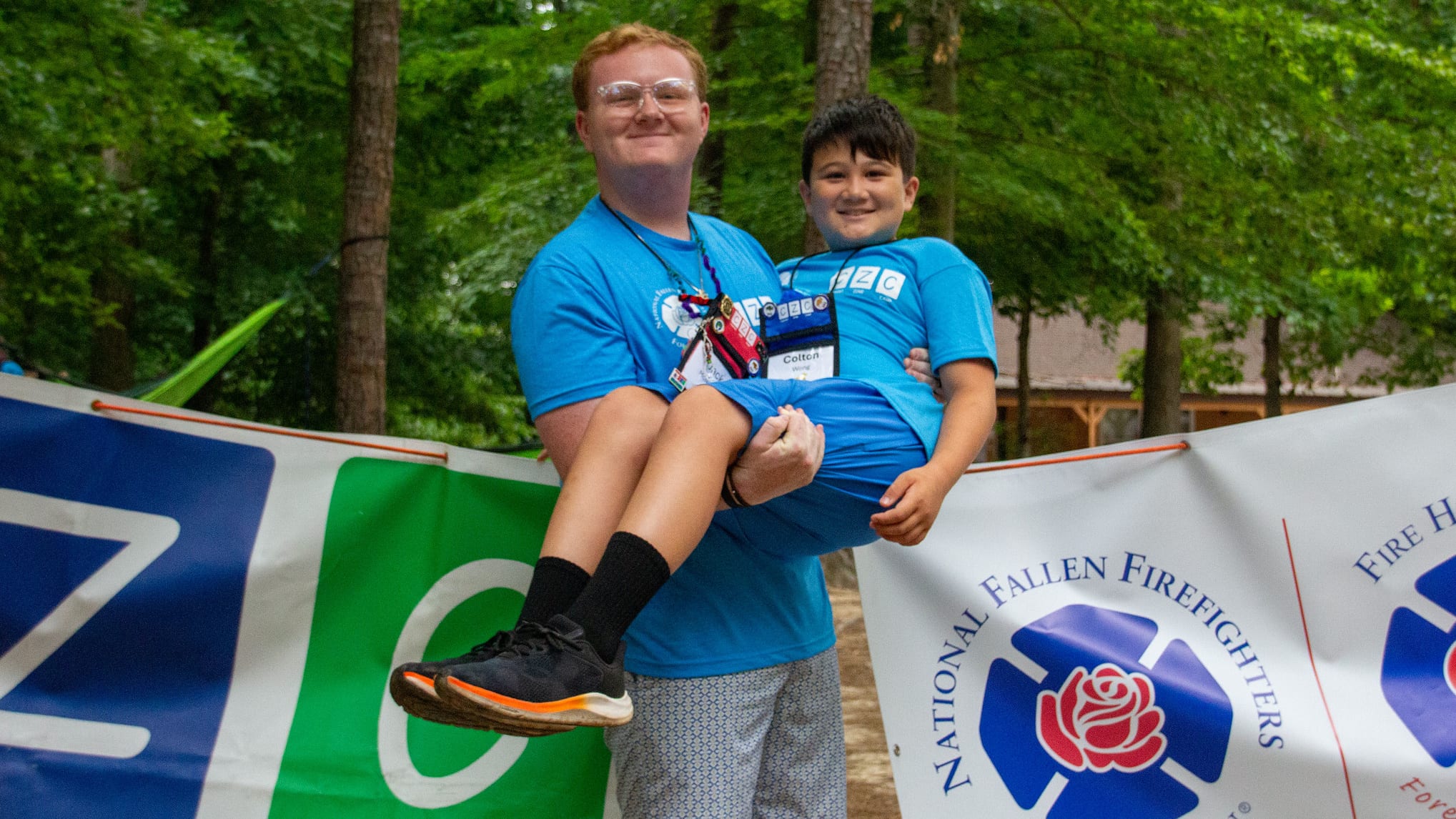
Jack McNamara was approaching his third birthday when his father, John, succumbed to colon cancer linked to more than 500 hours spent aiding the aftermath of Sept. 11, 2001, with Brooklyn’s Engine 234. When he turned eight, his mother sent him to an FDNY-specific iteration of Hal Bruno in New Jersey. At that camp — and throughout the many annual camp weekends that followed — Jack formed connections that changed his life, including the bond with his eventual Big Buddy.
“When I was coming up into high school without a dad, my Big Buddy showed up for me in a big way,” says McNamara, now 20. “He was there for me when I needed that guidance, that support. That’s the biggest impact the camp has had on me. It’s given me friends I now call family and helped me understand that family is not always blood.”
These connections foster the healing each camp aims to provide. Jack’s story is one of many; and between the friendships and mentorship established each year, campers can find the growth necessary to advance past heartbreak.
“I’ve now witnessed some of our very first campers graduate high school, get scholarships, and eventually get married,” says Nagel. “I’ve been able to watch their physical growth and their emotional growth. I’ve seen them come to these camps as a scared, angry, or sad child, and in time, grow through the program into something else.”
Big Buddies for Life
But growth doesn’t stop once the camp days are over. Neither does the mentorship.
For the Big Buddy-Little Buddy relationship, the bond continues throughout each camper’s grief journey and beyond. It’s an accessible connection 24-7-365, kept together throughout each attendee’s time across Hal Bruno Kids Camps, and most times, extending past when camp days are over. For individuals like McNamara, this consistent connection can have an impact that inspires Little Buddies to become Big Buddies to the next generation of children in need, ready to be there whenever — and wherever — needed.
“I’ve been coast to coast for my Little,” says McNamara, now a college student and EMT for Suffolk County Fire Rescue in New York. “He lives in California, and if he called me right now and needed me, then I’d be on the next flight. I can’t wait to be the one who keeps showing up for him because that’s the whole point of me being a Big Buddy.”
For McNamara, his Big Buddy showed up to his Little League games, his high school graduation, his grandparents’ funerals, and most major events of his developing life. In turn, McNamara attended his Big Buddy’s wedding, showing that the service of mentorship isn’t a one-way street. It’s reciprocal support that can bloom into friendship and bring purpose to a pain all too familiar to fallen firefighter families.
“From someone who’s been there, when you realize the impact we can have on these kids, it’s a magical moment,” says McNamara. “And when you hear a Little say, ‘I don’t want to leave’ or ‘I want to come back’ to camp, it gives us, as mentors, that drive to want to come back, too.”
But that will have to wait until next year. Until then, the grieving process carries on, with kids learning from their camp experience, and leaning on their camp connections embedded in the expanded NFFF network. The support of this network remains a crucial element for firefighting families living with loss; and every year, Hal Bruno Kids Camps will continue to provide an oasis where kids can heal — and feel the joy of being a kid again.
If you’re a member of the fire service community and would like to learn more about Hal Bruno Kids Camps, click here.