
What feels like ‘not shutting off’ is often your brain protecting you, not a sign you’re broken
Q: I can’t seem to shut off my mind after calls. Is this normal or is it dangerous?
**Doc:**This is very normal. And in most cases, it’s not dangerous. It’s your brain doing exactly what it was designed to do after high-stakes exposure.
Your training allows you to go from zero to fully switched on very quickly during a call — but it takes a lot longer to come down when adrenaline is pumping through your body.
That system is built to keep you sharp and alive. But powering down is a much slower process than powering up.
So what happens? You get back, and your body might be sitting in the chair — but your mind is still on scene — replaying anything that might help sharpen you even more in the future.
Replaying. Reconstructing. Re-imagining. Filling in gaps. Doing its best to help you survive what may come next. This is your brain working as it was designed.
Where it can become a problem is if you start interpreting this as, “Something’s wrong with me,” or you fight it so hard that it ramps up even more.
So here are a couple of things that actually help — practical, not theoretical:
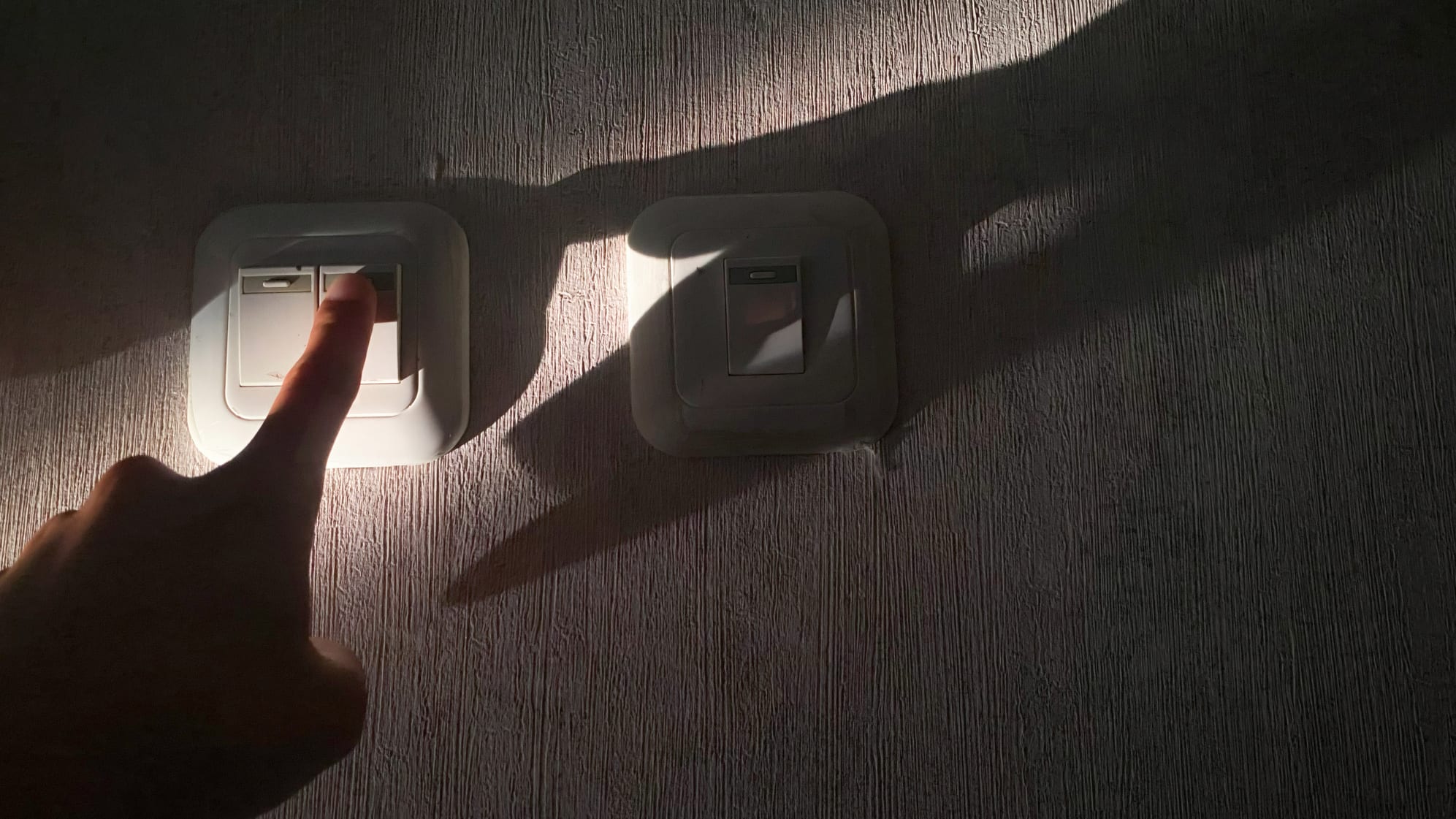
- First, give your mind a transition, not a shutdown. You’re not a light switch. You’re more like a dimmer. Build a short, repeatable “off-ramp” after calls. That could be as simple as a quick walk, washing your hands and face with cold water, or even a two-minute reset where you deliberately slow your breathing. The goal is to signal to your body: we’re coming out of it now.
- Second, close the loop on the call. If your mind is replaying something, it’s often because the story feels unfinished. Try this: put words to it, even briefly. “Here’s what happened. Here’s what we did. Here’s what I wish went differently.”
That last piece matters. When it’s unspoken, it sticks.
Third, don’t feed it silence. You don’t need a deep dive, but a quick, real conversation with someone who was there — or someone who gets the job — can help your brain stand down. When experience is shared, it’s easier to metabolize it. When it’s isolated, it can stay stuck, or continue to draw your attention, the way your tongue keeps going back to the area where you’ve just had a dental procedure.
Here’s the bottom line I want you to walk away with: Your mind staying active after calls isn’t a sign of weakness, it’s a sign you were fully engaged in something that mattered. The goal isn’t to shut your mind off like it’s broken. The goal is to learn how to guide it back down.
And if you find you still feel like a muscle car that can’t throttle down, there are legal, safe, innovative treatments like the Stellate Ganglion Block procedure that have long been used in Special Forces units to reset the fight or flight system and restore calm and control in the body.
After decades of stagnation, the model of treatment in behavioral health is finally shifting. Many of us, myself included, no longer see post-traumatic stress as a “disorder” you are stuck with for the rest of your life, but rather as injury that can be healed with the right treatment and the right insights.
Reach out to me through the contact form on my website if you want to learn more and I’ll share some resources and data from thousands of people who have been successfully treated with safe, innovative methods.
Shauna ‘Doc’ Springer, PhD is a pioneering psychologist, award-winning Military Times podcast host, and one of the world’s leading experts on psychological trauma, moral injury, suicide prevention, close relationships and the unique needs of the military and first responder communities. Doc Springer provides highly specialized consultation and confidential advising to organizations and public safety agencies that support protectors and defenders through her company THIN LINE ADVISORY.