
Firefighters draw strength from the legacy they inherit, not just the calling they feel
Mental Edge Mondays is a new column built for one purpose: to give firefighters direct, usable psychological insights that hold up under operational pressure.
Some weeks will expand on themes from Kory Pearn’s Friday Truth. Some weeks, I’ll introduce new lines of thinking – like this recent article about how dark or self-destructive thoughts don’t automatically mean someone is suicidal — and why that distinction matters in this profession. And some weeks it will be an “Ask Doc Springer” response to a reader question that carries weight for the broader CRACKYL audience.
I’m Dr. Shauna Springer. I work with military, first responders, and tactical professionals on psychological performance under extreme conditions — helping people stay sharp, connected, and internally intact across a career of exposure.
Let’s drop in …
“The Calling is Yours — the Legacy is Not”
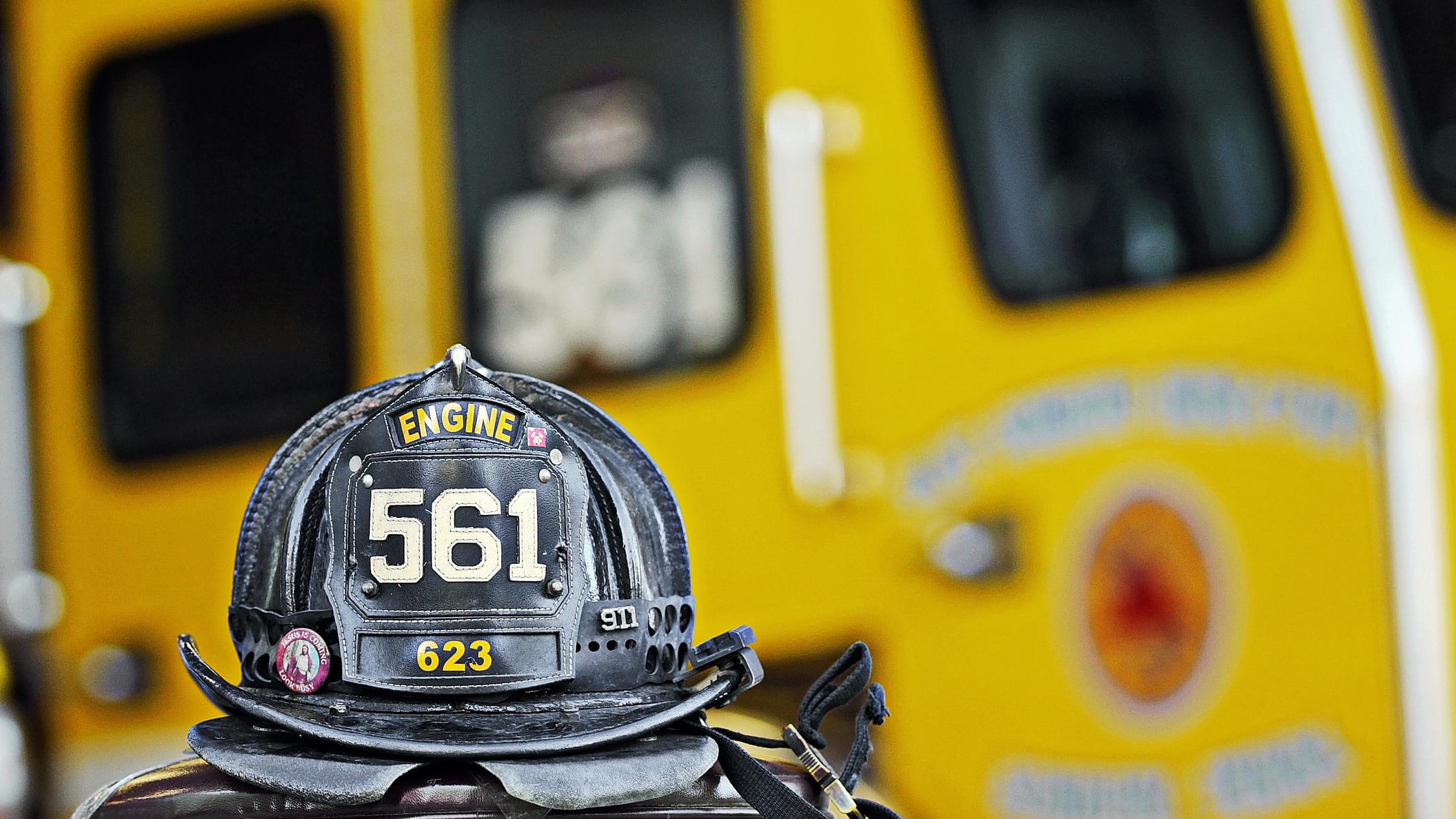
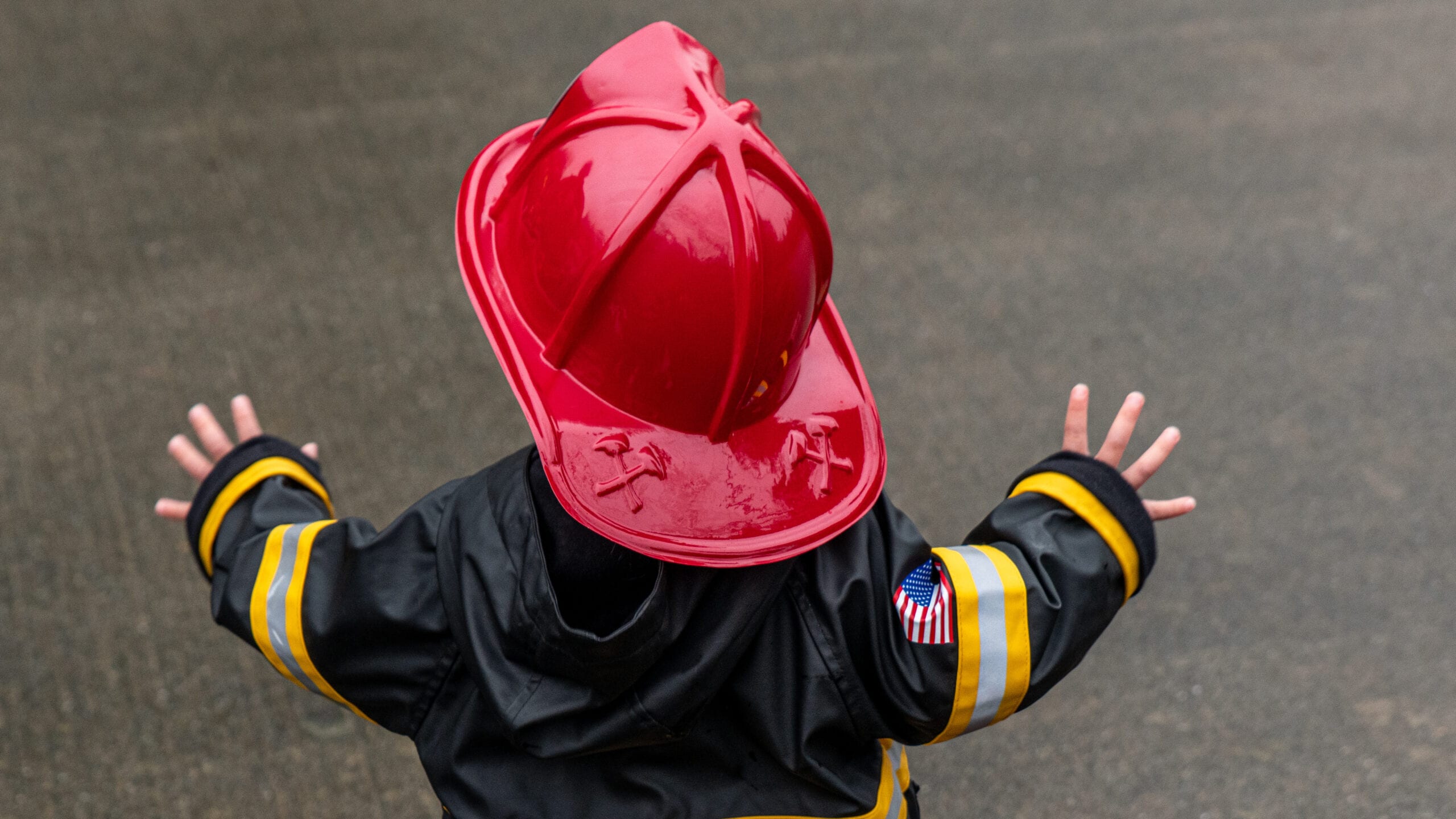
For some, the calling shows up early. You can trace it back to childhood photos — small boots, plastic helmets, a kid who chose to be a firefighter several Halloween seasons without really knowing why. For others, it comes later. It builds over time — through experience, through exposure, through something that clicks when you finally see the job up close. Different paths, same destination.
Either way, it lands the same: this isn’t just a job. It’s a calling.
And when you’re in it — mask on, heat building, noise and chaos closing in — you’re not searching for meaning. You’re standing inside it. You know exactly why you’re there.
That clarity is powerful. As Kory Pearn said in a recent Friday Truth, this is also where a blind spot can form.
When your purpose feels that immediate and personal, it’s easy to believe it begins with you — that it’s defined by your department, your crew, your calls. But the reality is bigger than that. What you’re doing today is connected to a legacy you didn’t create, but you are responsible for carrying forward.
What you’re doing today is sitting on top of a foundation you didn’t build — and most days, you don’t even see it. This isn’t a criticism — it’s normal for all of us. We anchor to what’s in front of us: our crew, our last call, our department culture. We define the job by our personal experience. But the truth is, your sense of purpose is part of something older, heavier, and far more enduring than your individual story.
If you want to understand that at a gut level, look at the United States Marine Corps.
Marines don’t just “get a job.” When they earn the Eagle, Globe, and Anchor, they are stepping into a brotherhood and sisterhood that existed long before them — and will exist long after them. It’s not symbolic. It’s psychological. It changes how they carry themselves because they know they’re accountable to something bigger than their own performance.
They remember battles like the Battle of Iwo Jima not as distant history, but as part of who they are. Outnumbered, outgunned, operating in conditions most people can’t comprehend — yet known as a force that closed with and destroyed the enemy anyway. That reputation wasn’t built in a day, and it wasn’t built by individuals thinking only about their own tour. It was forged by generations who understood they were carrying something forward.
That’s why the Marine Corps Birthday isn’t just another date on the calendar. It’s a ritual of remembrance. A line that connects every Marine who has ever worn the uniform.
I saw that connection up close at a Marine Corps Birthday in Northern California, just after the Camp Fire tore through Paradise. The town was wrecked. The air was toxic — ash hanging thick, falling like snow. People had lost everything.
And still, more than 100 Marines showed up.
They packed into a small tavern in the middle of that broken town. Some of them had lost their homes days earlier. It didn’t matter. They weren’t there because it was convenient. They were there because the legacy demanded it.
When they sang the Marine Corps Hymn, voices loud and steady while ash drifted down around us, it wasn’t about nostalgia. It was about identity. About honoring every Marine who had ever stood in worse conditions and kept going.
That’s the part firefighters need to lock onto.
You’ve been on fires where the math didn’t look good. Small crew. Big fire. Conditions turning. You pushed anyway. Not because it made sense on paper, but because something in you said, “This is what we do.”
That “something” isn’t just yours.
It belongs to every firefighter who made that same decision before you — who advanced a line when they were outmatched, who stayed when it would have been easier to pull back, who paid a price so the rest of the job could evolve.
When you’re burned out, morally exhausted, questioning whether you’ve got anything left to give — that’s when your personal sense of purpose isn’t enough. It’s too narrow. Too depleted.
That’s when you borrow from the legacy.
You remind yourself that you’re part of a lineage that has faced worse and moved forward anyway. You’re not carrying this alone. You never were.
And if you can see that clearly — if you can widen your lens beyond your own experience — you don’t just endure the job.
You honor it.
***Shauna ‘Doc’ Springer, PhD**is a pioneering psychologist, award-winning Military Times podcast host, and one of the world’s leading experts on psychological trauma, moral injury, suicide prevention, close relationships and the unique needs of the military and first responder communities. Doc Springer provides highly specialized consultation and confidential advising to organizations and public safety agencies that support protectors and defenders through her companyTHIN LINE ADVISORY*.