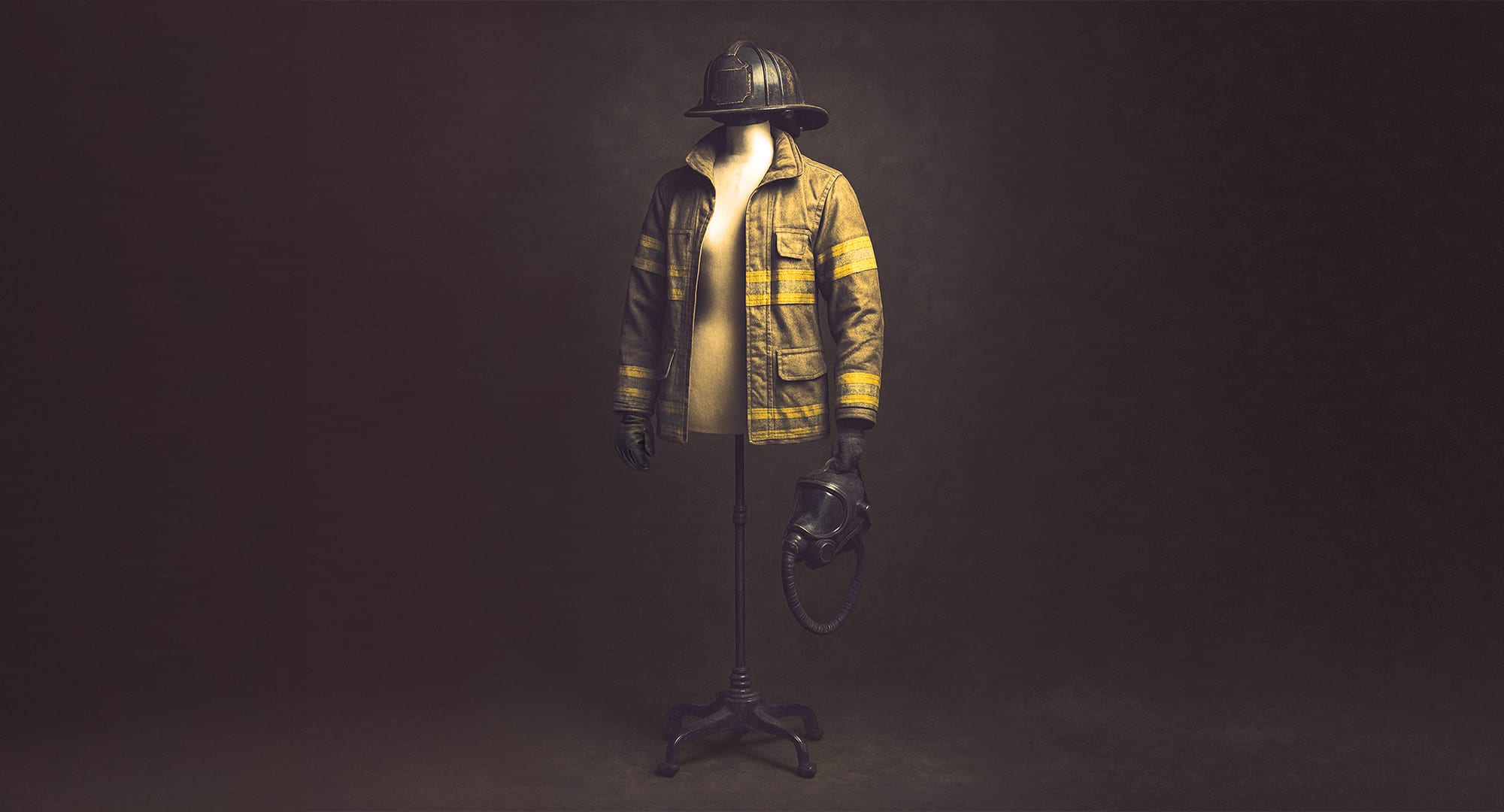
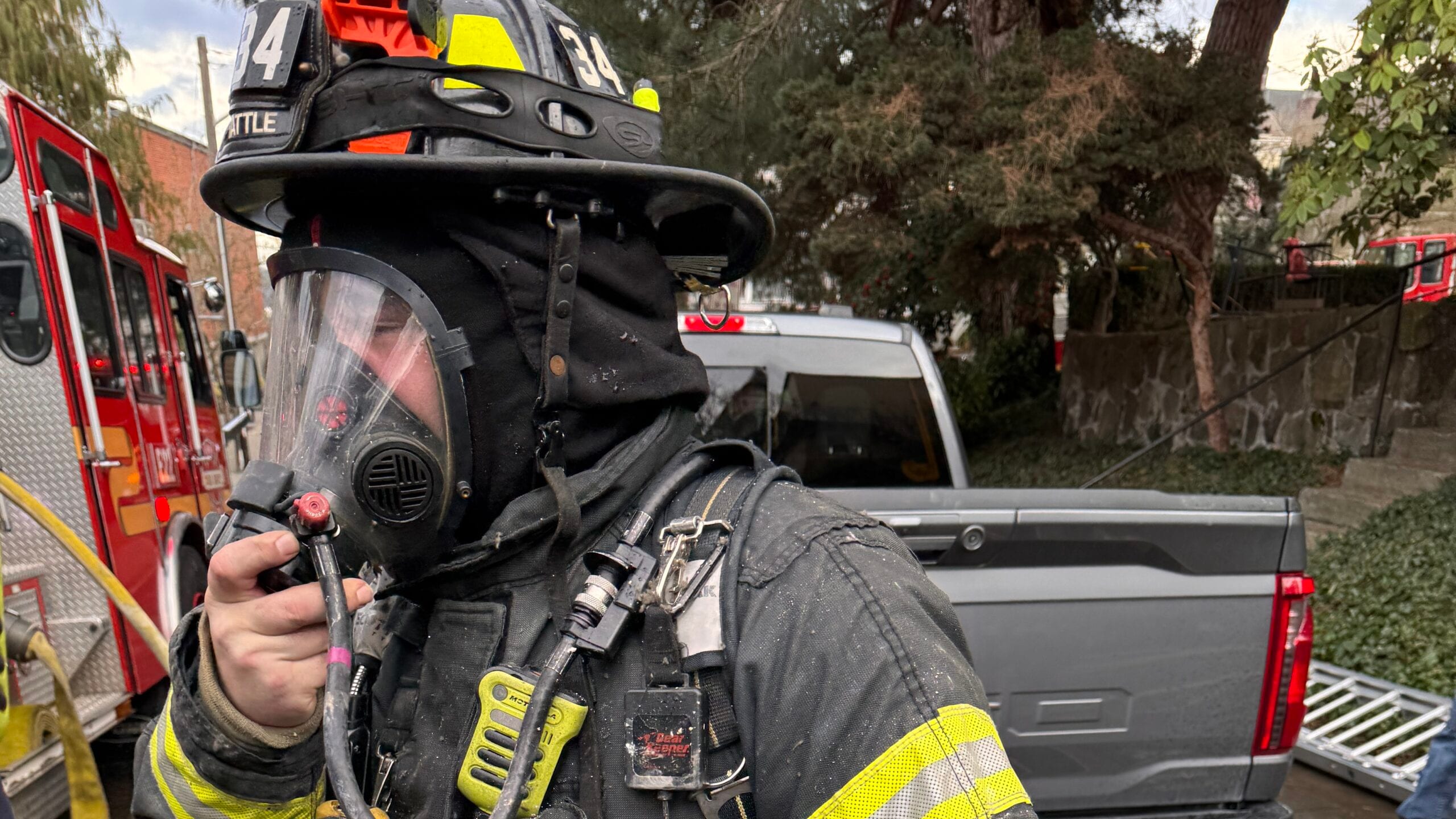
Airborne toxins during overhaul routinely spike past safe limits, making consistent respiratory protection non‑negotiable for firefighter health
In case you need any more evidence of the importance of effective breathing protection, consider the following. In a study published in the American Industrial Hygiene Association Journal(AIHAJ), researchers found that, during overhaul, firefighters can be exposed to dangerous airborne contaminants in excess of published ceiling values or short-term exposure limits.
The researchers used air monitors and sensors to conduct the study. Concerning contaminants included acrolein, carbon monoxide, formaldehyde, glutaraldehyde, benzene, nitrogen dioxide, and sulphur dioxide. Other hazardous contaminants were detected, but at levels below published exposure limits.
From the article: “The chemicals found to exceed occupational exposure limits in this study have the potential to cause adverse health effects in firefighters.” Such effects can include:
- bronchitis, or similar severe symptoms (acrolein, sulphur dioxide, glutaraldehyde)
- burning eyes and conjunctivitis (glutaraldehyde)
- increased risk of cancer (formaldehyde)
- dermatitis (glutaraldehyde)
- eye, nose, throat and lung irritation (formaldehyde, glutaraldehyde)
- fatigue, altered sense of smell (sulphur dioxide)
- pulmonary edema (acrolein)
- restricted bodily oxygen transport (carbon monoxide)
- sneezing/wheezing (glutaraldehyde)
Bottom line: make sure respiratory protection is available, in good working condition, and attached to your face during overhaul activities!