Ditch the treadmill and embrace the kettlebell: this practical fitness test may better reflect the real demands of firefighting while boosting both strength and endurance
Regarding health metrics in the fire service, VO2 max has always reigned as the gold standard. You can do multiple tests to determine your VO2 max, but the most common one is the BRUCE Protocol. This involves an individual being strapped to a 12-lead EKG and a respirator while running on a treadmill that increases in speed and grade.
It doesn’t take a rocket scientist to figure out that it does not replicate anything involved in a firefighter’s line of work. Yes, having an increased lung capacity is extremely helpful to performance and longevity. However, it does not measure the muscular strength or endurance that is required when lifting, hoisting, and dragging things during a fire or medic run.
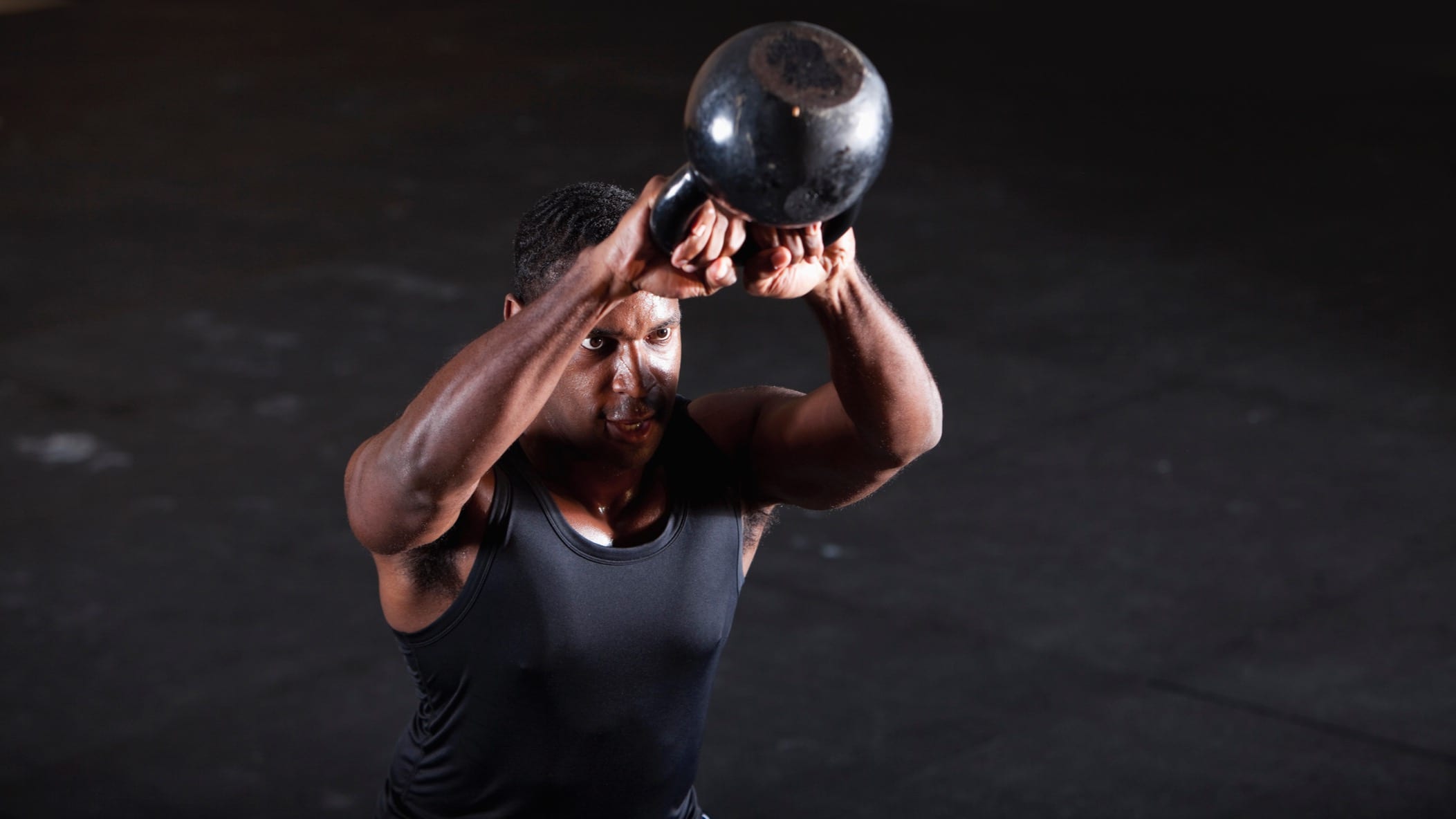
Kettlebell swings are effective at training the aerobic and anaerobic energy systems a firefighter uses in performing day-to-day tasks. Utilizing kettlebell swings as a testing standard could help increase aerobic capacity and strengthen soft tissue while keeping impact minimal on the joints to prolong firefighter careers.

Most firefighters will do some type of low-intensity cardio, such as graded treadmill walking, running, biking, etc. These are great forms of increasing aerobic capacity but do not improve muscular strength.
Kettlebell swings are a great way to measure and improve cardiovascular fitness, as well as muscular endurance, all within a brief period of time. One study found continuous kettlebell swings and graded walking had the same metabolic effect. With everyone being strapped for time these days, it makes sense to try to train with the kettlebell swing, considering the aerobic and muscular improvements at the same time.
The first time I introduced this type of test at Upper Arlington Fire Department, we used a 35-pound kettlebell and swung it up to eye level. Each firefighter continued to swing the kettlebell until they reached fatigue or had significant form breakdown. The times ranged from 1:30 minutes to 7:34 minutes.
Within 10 minutes or less, all of our firefighters were recovered and ready for duty. Currently, we have no standard time or goal to reach, but most of our well-seasoned and fit firefighters swung for more than 4:00 minutes. When 5:00 minutes were exceeded, it seemed some of the firefighters were stopping out of boredom or not knowing how to pace themselves.

In the future, I plan on changing the weights of the kettlebell swings and employing a scoring system. The weights will be 25, 30 and 45 pounds, which will need to be swung for a minimum of 4:00 minutes. Once you achieve the 4:00-minute mark, every second after will be tracked as a point. There are a few things I hope to achieve out of this:
- Create a competitive environment where firefighters want to improve their score.
- By letting them choose their own weight, I’m encouraging them to push themselves with a heavier weight by improving their score. This also keeps the test shorter in order to keep it timely.
- Implementing a standard test while improving overall fitness.
If you want to push the test even further and make it feel more specific to firefighting, wear your bottle and mask to make it even more challenging.
I do not have any specific data for the weights or how the time correlates with VO2 max. All I have is an understanding of firefighters I have worked with over the past 10 years, and how implementing kettlebell swings into their training regimen has helped in their career performance and longevity.
The test I laid out is time, space, and cost-effective compared to any other fitness testing standard in the industry that I am aware of. Hopefully, in the future, I will be able to collaborate with someone who has the means of collecting this data that can help push this test forward. Until then, consider this a fun challenge within your department that does translate to your well-being as a firefighter.