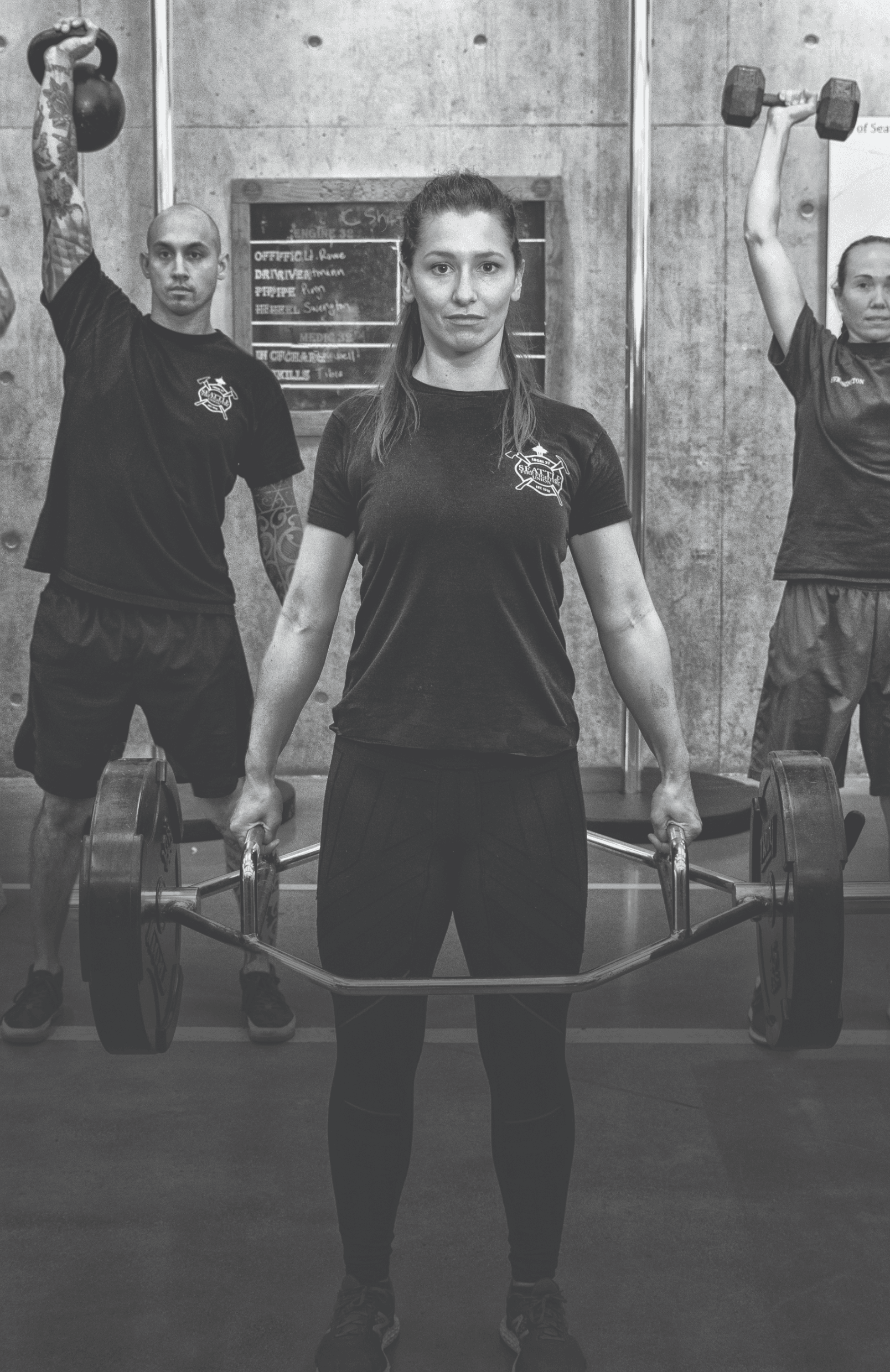

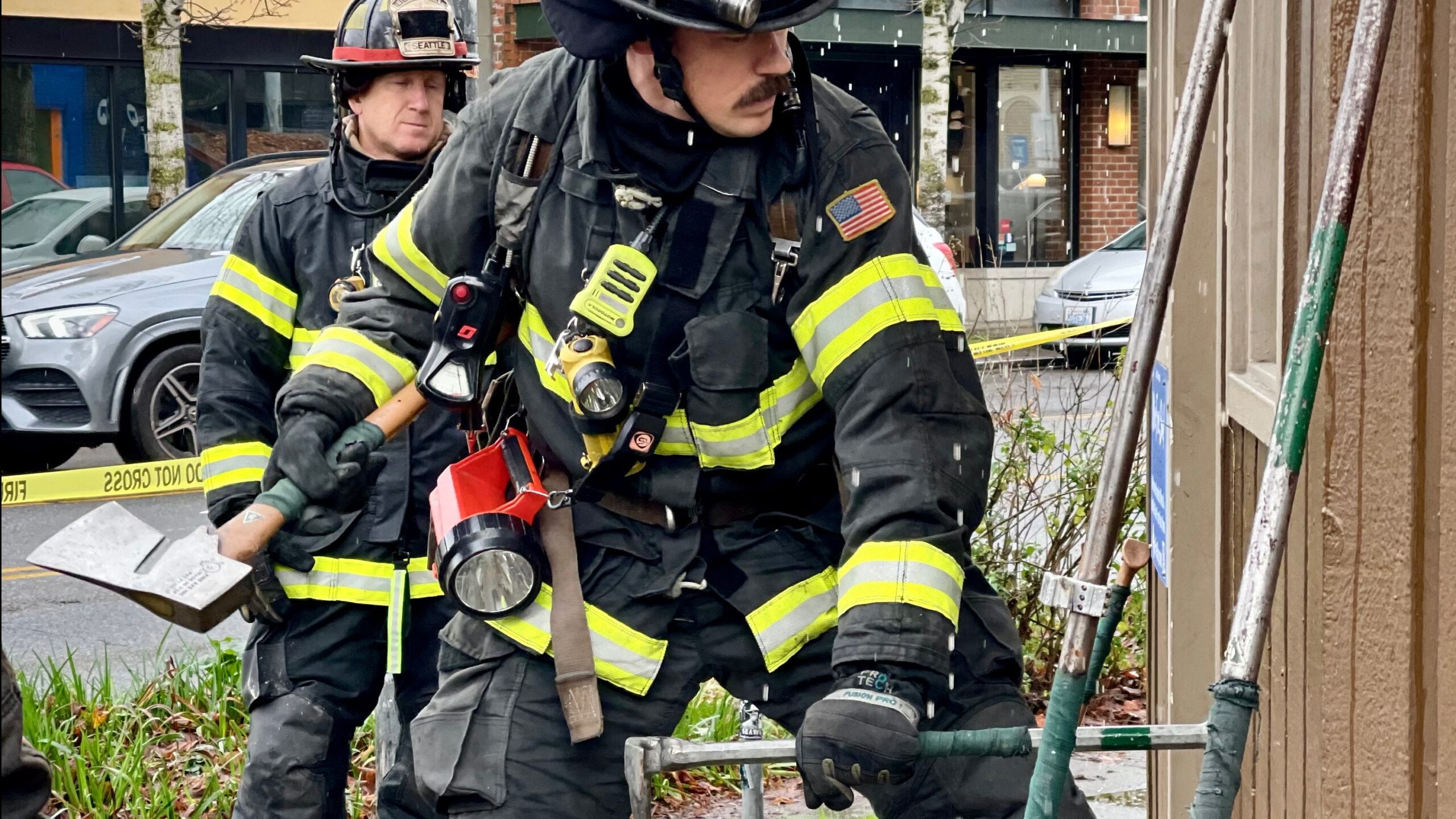
Photo by Steve Baer | FireDog Photos
As firefighters, we face physical, mental, and emotional demands few professions can match. We rush into the chaos of fires, rescues, and emergencies, putting our bodies and minds on the line every day. Given this responsibility, are we doing everything possible to prepare ourselves for peak performance and long-term health?
In the early ’90s, while pursuing a degree in exercise science, I worked as an equipment manager for the football team. I saw firsthand the extensive support the players received to ensure they were prepared to perform at their best. Every athlete had access to top-notch training, facilities, coaches, doctors, nutritionists, and more. Their lives revolved around optimizing fitness, health, and performance.
I often reflect on how we can bring that same level of support to firefighters. The emerging concept of the “tactical athlete” offers a shift in how we approach fitness and health. Embracing the term “athlete” can transform our personal approach to firefighter wellness and the resources provided by unions and fire departments. This article explores why adopting the tactical athlete identity is essential for every firefighter – and how it can lead to improved wellness, performance, resilience, and career longevity.
Defining the Tactical Athlete
In simple terms, an athlete is someone who engages in physical activity or sport requiring physical fitness and skill. A tactical athlete is a professional whose performance directly impacts the safety and well-being of others. This category includes firefighters, law enforcement officers, military personnel, and other first responders. Like traditional athletes, tactical athletes need peak physical fitness, mental resilience, and purposeful training. However, the stakes for us far exceed those of other athletes – our performance affects not just our survival, but the lives of those we serve.
The Athlete Approach to Firefighting
There are several factors in the athlete approach to firefighting:
Athlete Mindset
The Athlete Mindset is built on discipline, focus, and determination. For firefighters, it means seeing every challenge as an opportunity for improvement. This mindset drives firefighters to embrace the job’s physical and mental demands, pushing through adversity with consistent effort, self-discipline, and a positive attitude. It fosters pride, ownership, and adaptability, constantly refining skills to respond effectively under pressure.
Athlete Lifestyle
The Athlete Lifestyle is a holistic approach that optimizes physical activity, nutrition, sleep, stress management, and mental health. For firefighters, it means committing to regular training, fueling the body properly, and prioritizing sleep for recovery. Managing stress and nurturing mental resilience are key to maintaining readiness. This lifestyle encourages making intentional choices that enhance individual growth and team performance.
Performance Training
Performance Training for firefighters combines physical conditioning with skill development to enhance job performance and response readiness. Physical training targets strength, endurance, and movement quality with an emphasis on reducing injury risk and adequate recovery. Occupational training targets the technical skills required for emergency response. Consistent training, recovery, and mental preparation ensure firefighters are resilient and ready for high-stress, unpredictable situations.
The Athlete Approach provides a comprehensive framework for enhancing performance, resilience, and readiness throughout our career. By adopting the Athlete Mindset, Athlete Lifestyle, and Performance Training, we can optimize physical, mental, and emotional well-being, helping to ensure we are prepared for the challenges we face.
The Benefits of Buy-In
The term “athlete” represents someone dedicated to improving fitness and performance through effort, discipline, and focus. Adopting this identity allows us to gain support for firefighter fitness and health, fostering buy-in across all levels of the fire service.
Individual Firefighters
When firefighters see themselves as athletes, they take greater ownership of their health and fitness. This shift in identity promotes accountability, motivation, and pride. It empowers them to seek resources, such as structured training programs and professional coaching, to enhance performance. Benefits include reduced injury risk, improved stamina, and enhanced strength and mobility. Mentally, firefighters experience increased focus and resilience, and emotionally, they gain confidence, reduced stress, and improved job satisfaction.
Firefighter Unions
Unions advocating for firefighters as tactical athletes can secure resources to enhance well-being, such as fitness equipment, professional trainers, and wellness policies. Framing these needs as essential for athlete performance helps prioritize them in contracts and negotiations. Promoting a supportive culture eliminates the fear of punitive action, ensuring participation is voluntary and focused on long-term health.
Fire Department Administration
Departments that adopt the athlete model show a commitment to workforce readiness and safety. This approach reduces injury-related costs, improves morale, and enhances the department’s ability to serve the community. Viewing firefighters as athletes justifies investments in fitness facilities, wellness programs, and continuing education for tactical performance while building the “Tactical Athlete” culture in the organization.
By embracing this identity, firefighters, labor unions, and fire service agencies can foster a culture of health and performance, benefiting everyone involved. TheIAFF/IAFC Wellness Fitness Initiative offers a proven framework that aligns with industry standards, creating a sustainable, supportive environment for firefighter fitness and health.
Building the Tactical Athlete Culture
Fire departments invest heavily in maintaining emergency apparatus – engines, ladders, and vehicles – ensuring they perform when needed most. But what about the people operating them? Firefighters are the ultimate asset of any department and deserve the same level of investment. Let’s look at the hard reality. Firefighters are dying of heart disease, cancer, and suicide at alarming rates. Tens of thousands of firefighters are injured on the job each year. Approximately 70% of firefighters are considered obese. What if we could mitigate these issues by adopting the athlete approach to firefighting and ensuring proper support that aligns with any other high-level athletic organization?
By embracing the tactical athlete approach, departments can cultivate well-trained, physically fit, and mentally resilient firefighters, ultimately enhancing operational readiness. The benefits of this approach are evident throughout a firefighter’s career, from building a solid foundation as a recruit, to enhancing readiness and resilience in operational or administrative roles, and maintaining health during post-retirement life. Fire service leaders must champion this cultural shift, setting the tone for a commitment to fitness, longevity, and success.
Firefighters require the physical capabilities of an athlete, the mental resilience of a competitor, and the adaptability of a first responder. Recognizing firefighters as tactical athletes is more than just a shift in mindset; it’s an essential investment in our long-term health, performance, and career longevity. By adopting this identity, we create a culture of preparedness, resilience, and readiness that benefits individuals, teams, departments, and communities alike.
For more firefighter-specific workouts, wellness education, and other resources visit firefighterpeakperformance.com