
Firefighter fitness demands more than clean eating and gym time, it requires a balanced regimen of sleep, nutrition, mental resilience, and functional movement
When most people think about what a firefighter needs to be healthy and fit for duty, they focus on diet and exercise: healthy eating, no processed food, and hitting the gym. However, a lot more goes into maintaining a “well-rounded” responder besides what they put in their stomachs and how much they can lift.
An Image of Healthy
A firefighter’s job can be extremely demanding one minute, sedentary the next, then followed again by physical and mental challenges. With this constant waxing and waning of demands on both body and mind, staying ready requires more than just eating right and exercising.
It goes without saying that we should maintain good physical health and keep a lower body fat percentage in an effort to avoid health problems. Specifically, cardiovascular issues. The extra weight we carry directly affects our ability to perform in stressful and physically demanding environments.
Beyond the heavy-set pump operator/driver all of us have seen, we need to be putting emphasis on other, lesser emphasized, parts of our “diet.”
No. 1 – Healthy Sleep Habits
OK. I get it. Sleep can be a touchy subject among firefighters. In recent years, it has received more attention as more and more research has suggested that not getting enough rest is related to poor health. As much as we’re not guaranteed six to eight hours of sleep when on duty, there are measures we can take on and off duty to promote healthier sleeping habits.
- Turn off the electronics early
- One way to allow your body and mind to relax is to turn off or put away the television, tablets or computers, and not look at our phones.
- The blue light from most electronics has been proven to disrupt sleep-wake cycles, make it difficult to fall asleep, and even reduce melatonin release.
- To reduce the negative effects of electronics, turning them off one to two hours before a planned bedtime is optimum.
- Stay cool
- Keep your sleeping quarters, bunk room, or bedroom at a cooler temperature for optimum sleep.
- The best range for this is 60°F to 67°F (15°C to 19°C), regardless of the season. This range signals your brain that it’s time to sleep, and it supports your circadian rhythm.
- Keep it positive
- Whatever you do in the few hours before lying down for the night, keep your mental intake positive.
- Stay off social media.
- Read positive, uplifting, or informational material.
- Listen to calm, relaxing, or otherwise soothing music or background noise.
- Stay away from the fridge
- Not eating for the two to three hours before lying down has been proven to be the healthiest approach to diet regulation.
- If you need a snack, keep it light and low in sugar.
- Avoid stimulants. This includes coffee, caffeine, energy drinks, sodas, and nicotine. Even vapes.
- Stay consistent with bedtime.
- Regardless of being on or off duty, stick with lying down at or around the same time EVERY night.
- Keep the same bedtime routines. Wrapping in all the above, also stay consistent when it comes to brushing your teeth, changing your clothes, and any other before-bed chores or activities.
- Consistency regulates your sleep cycle.
No. 2 – You Are What You Eat
Going back to the basics, we need to eat better, especially as a profession. It’s so easy to go easy, to shove something that tastes great into our gullet that’s readily available. Especially on duty, when time is of the essence. Meals on duty at the station are traditionally a time when you and your crew sit down together and share stories and fill your faces. This is still possible while maintaining a healthy perspective.
- NO fast food
- Not saying you can’t enjoy a nice greasy burger from the golden arches here and there, but consistently aim for lighter, less processed meals.
- Smaller, more frequent meals
- While eating healthier food, try and eat more often while keeping the portions smaller. This not only allows your body to work less to digest but also keeps you from feeling bloated and weighed down in the event of an emergency response.
- Plan meals
- Meal planning has taken off in popularity in recent years. It can even be done for on-duty shifts. Laying out your meals for the week not only saves time and money, but this strategy will also help you eat healthier.
- Treat yourself and your crew
- While you maintain healthy eating, it’s important to allow yourself, and your crew, a treat as a form of reward.
- These treats help you maintain a consistent diet by rewarding your stomach with something it does not get every day.
No. 3 – The Power of a Healthy Mind
Strength is not just measured in physical ability but also in mind power. We’re constantly hit with a barrage of stressful situations that take their toll on us in one way or many. The key to readiness on the job is a healthy, strong, and resilient overall being.
- Take a breath
- One of the best and most straightforward ways to regulate your stress is to just breathe. Learning a breathing technique sets you on a course for success in stress management.
- Learn what’s available
- Researching what is out there for strengthening your mental, emotional, and overall psychological health is valuable.
- Beyond traditional talk therapy, there are a plethora of other mental-wellness modalities that reinforce your overall health.
- Clearer, more focused mind
- When you consistently pay attention to your mental wellness, the ability to make better, clearer, and more informed decisions occurs more naturally.
- This perspective is applicable both on and off the job.
- A calmer mind is one that’s easier to put to rest
- When you give your mind a way to be calm and at peace, sleep is often easier to obtain.
- Often mindfulness and meditation practices combined with healthy sleep habits lead to better overall sleep.
No. 4 – Exercise and Staying Active
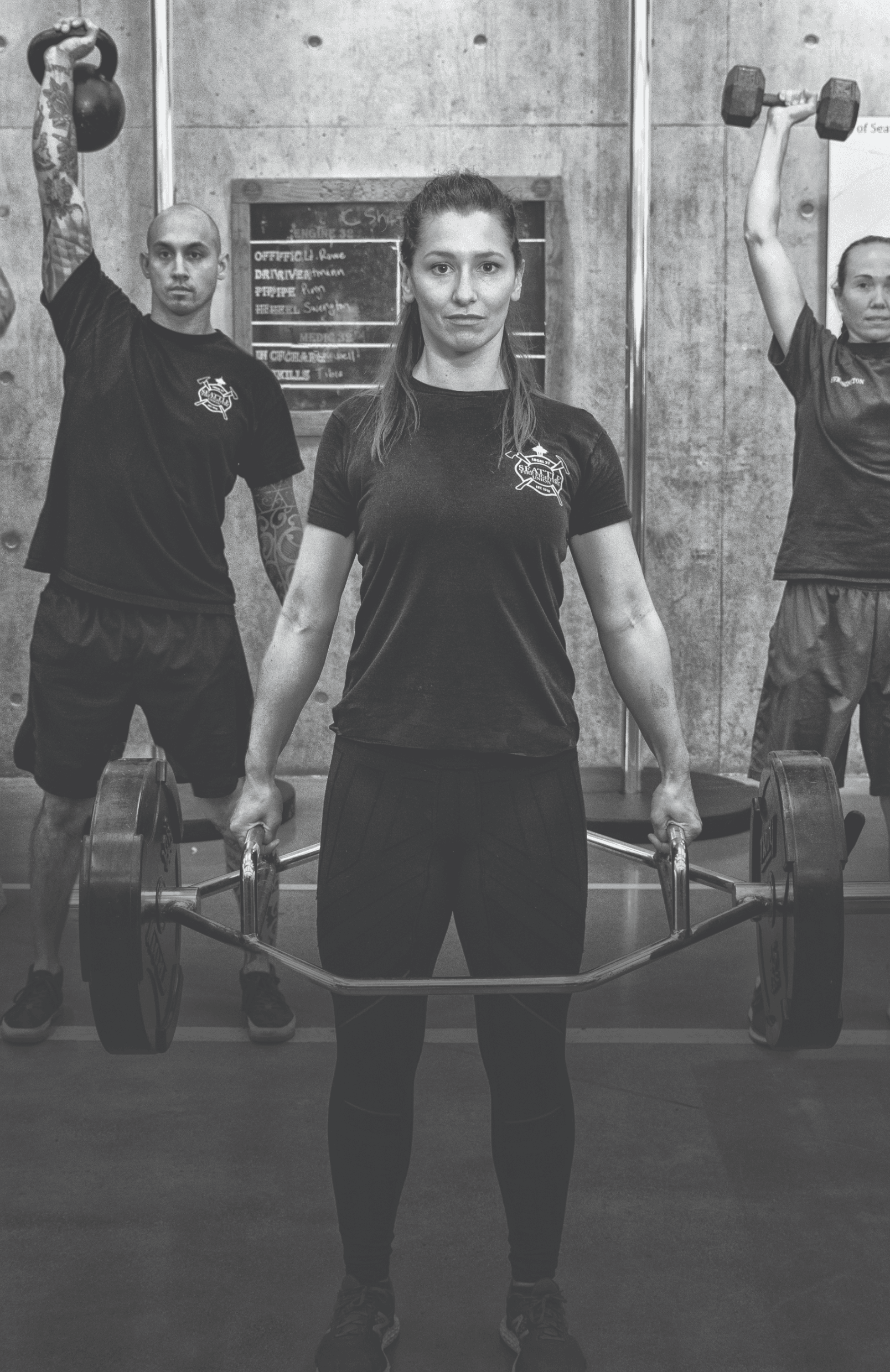
We made it! Obviously, physical health is important, and one of the best ways to maintain that is to exercise. This does not necessarily mean just lifting heavy things over and over again.
- Cardio, cardio, cardio
- Our cardiovascular health is especially important, given the constant ups and downs of our job.
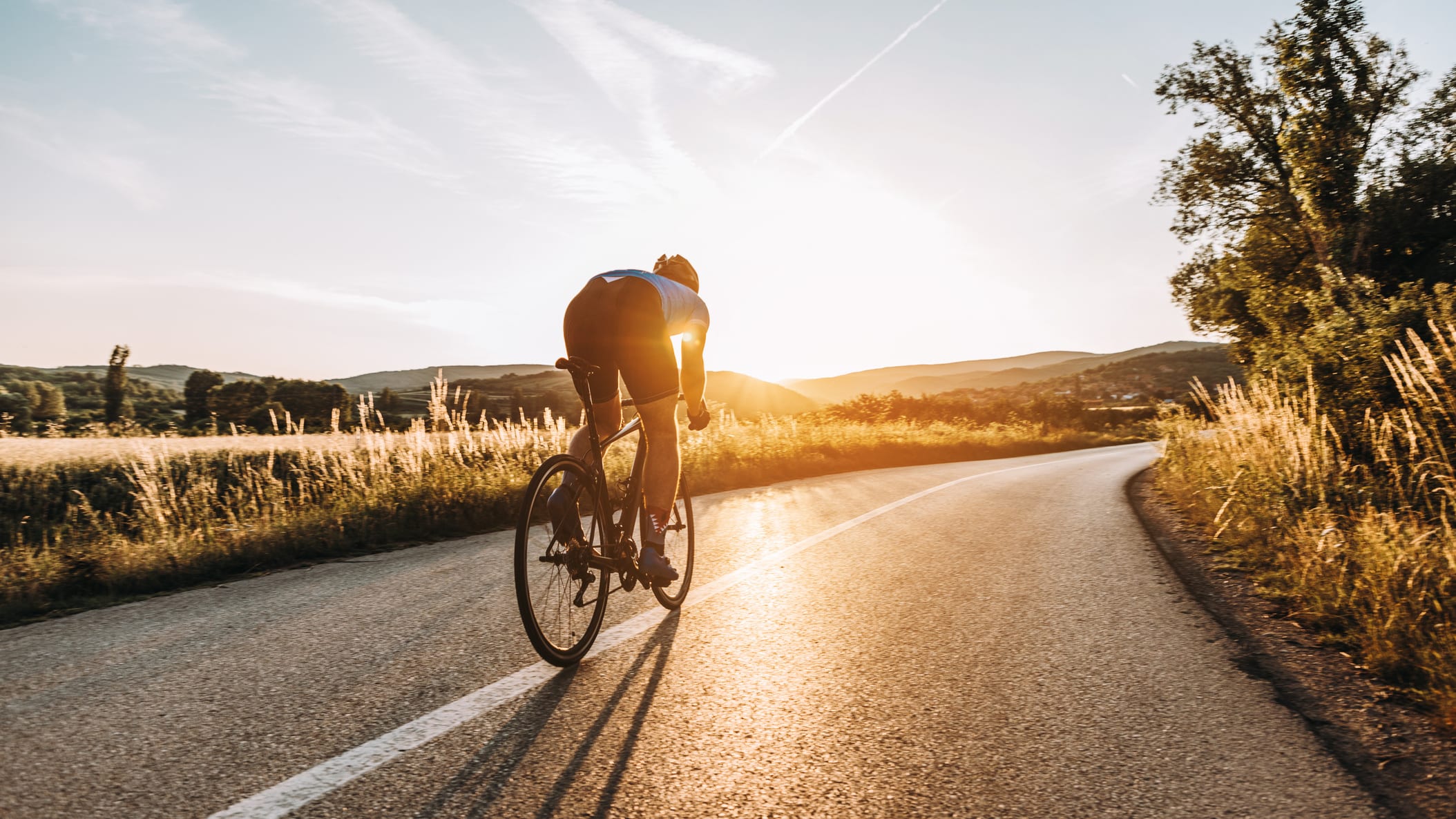
- Engaging in vigorous exercise – such as running, hiking, swimming, using ellipticals or rowing machines, skiing machines, stair climbers, or taking long walks – is key to a healthier heart.
- Functional muscle
- When lifting weights, the focus should not always be HOW much, but how many times and for how long.
- Our job is about endurance, so when lifting weights, we should focus on building functional muscle. Not just mass.
- Higher repetitions will yield a musculoskeletal system that can endure the constant rigors our job puts on our body.
- Stay active
- Whether you’re on duty or off, spending long periods of time being sedentary can lead to poor overall health.
- Staying physically active between calls and shifts helps you stay prepared and ready when the job demands it.
- Resting while exercising
- It’s particularly important to allow your body time to relax and recuperate in between rigorous exercise.
- Consulting with a personal trainer can help you figure out what your body needs to recover between workouts.
Peak Performance
Beyond just working out and white-knuckling our way through life, it’s important to maintain the cornerstones of a healthy lifestyle. By implementing the above “4 Food Groups,” every firefighter can increase their ability to perform at their best, both on and off the job.
Here’s to creating a healthier and more well-rounded firefighter!
Now go enjoy that cup of coffee!