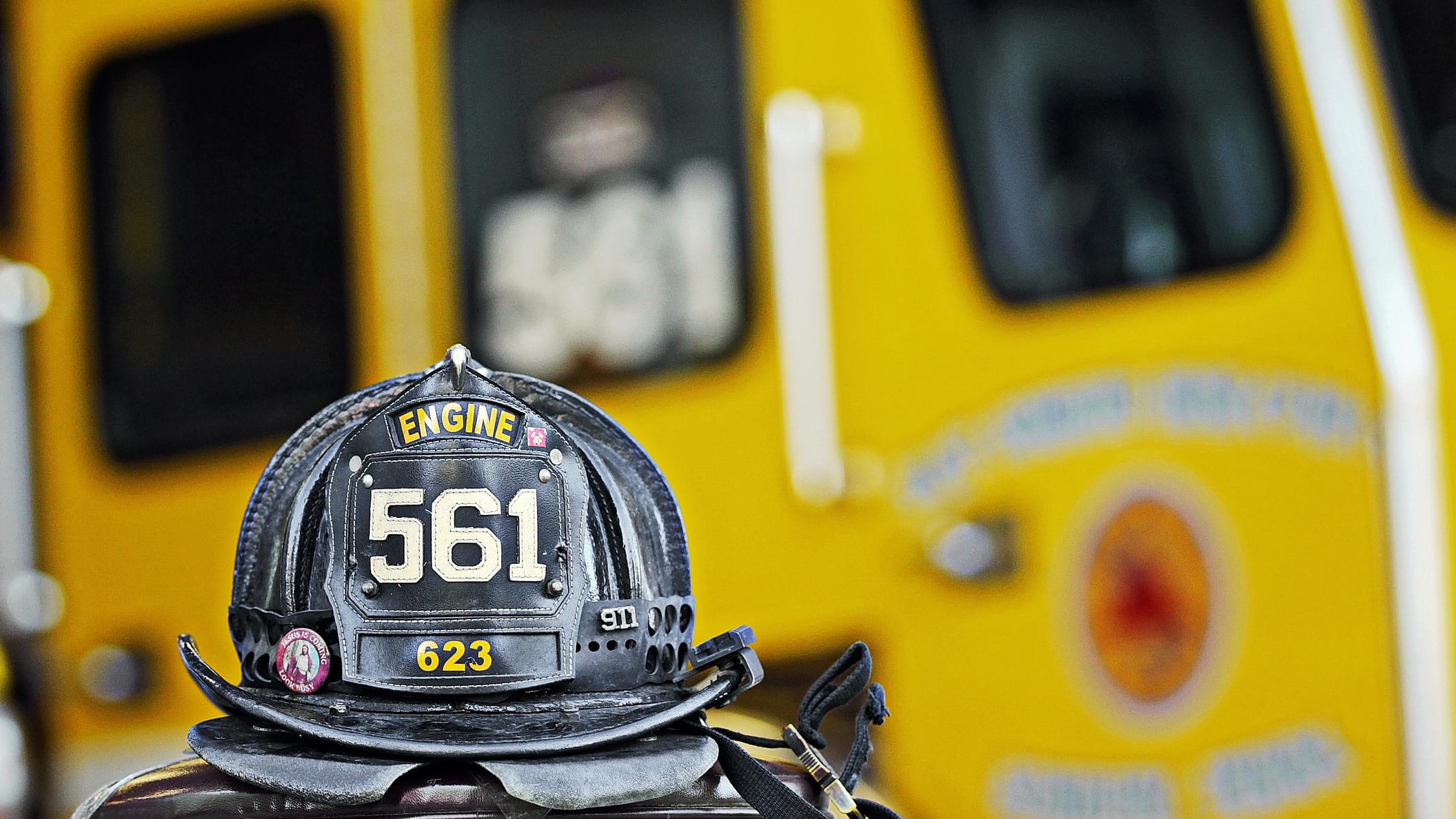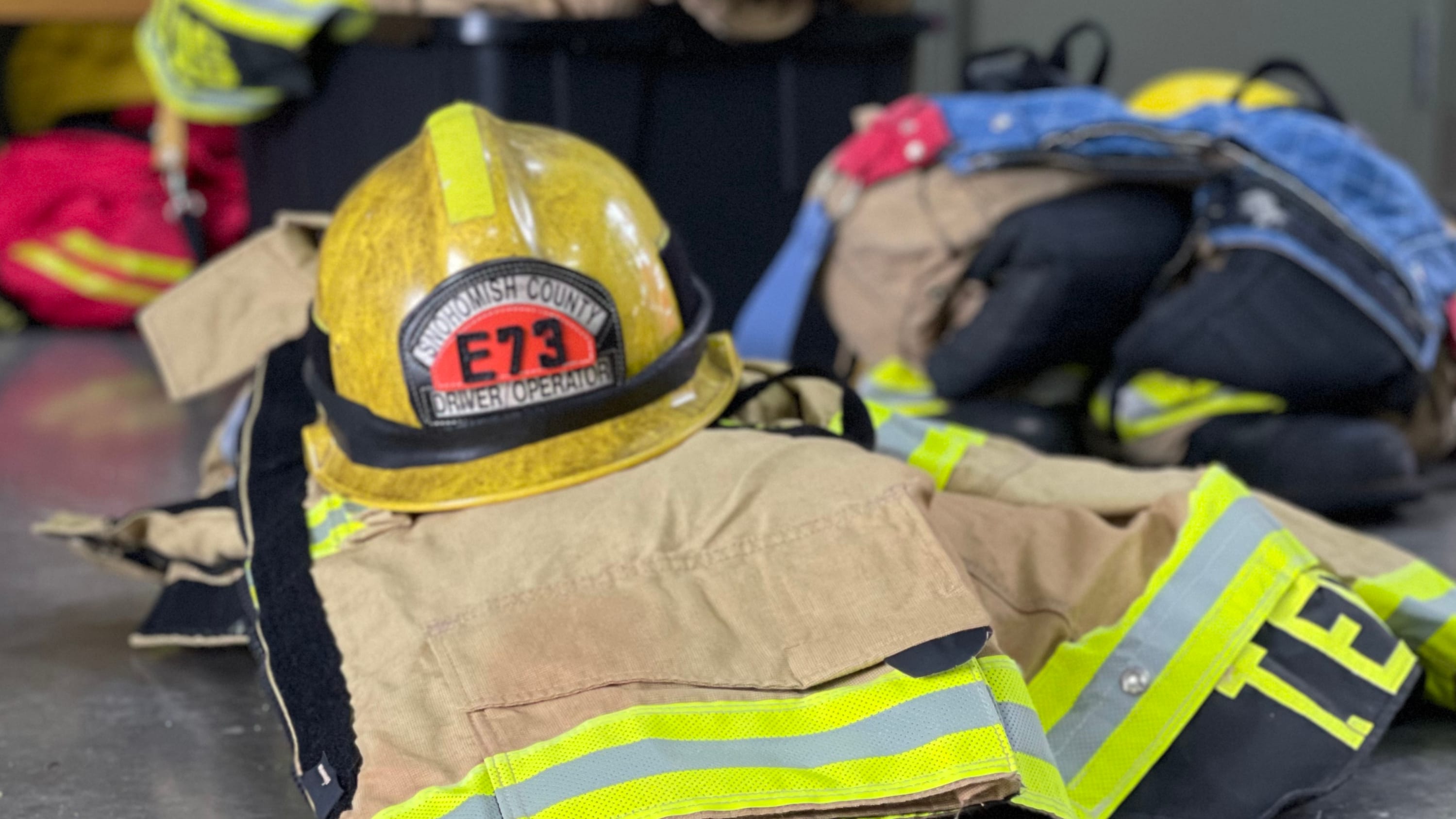
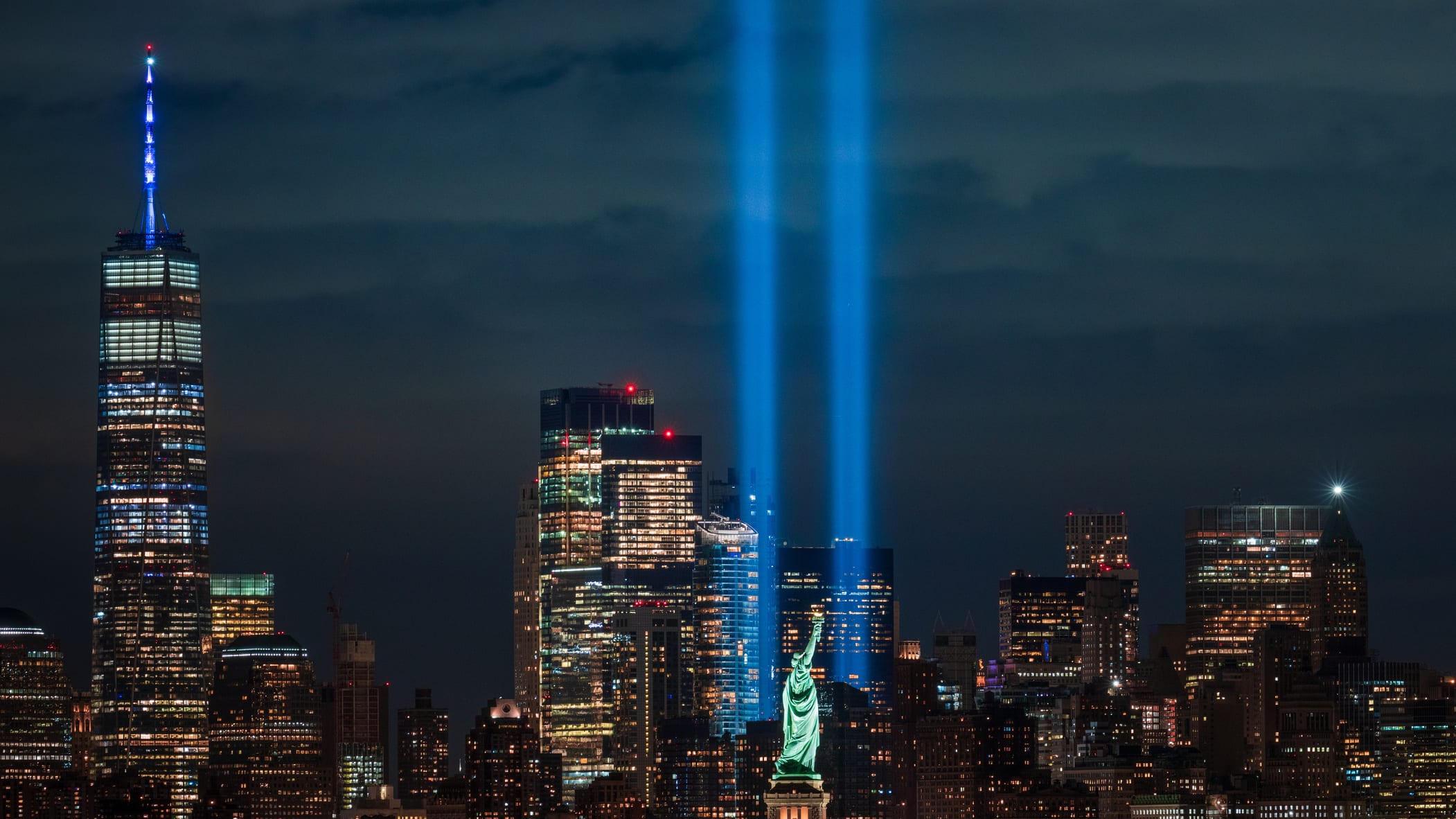
On Sept. 11, 2001, firefighter Tom Dunn responded to the terrorist attacks on the World Trade Center. He and his company survived the collapses of both Tower 1 and Tower 2 – an experience few lived through.
Despite being injured, Tom remained on site the entire day, searching for victims and extinguishing fires. For the next eight months, he repeatedly volunteered at Ground Zero, digging through rubble, voids, and crevices in the relentless search for bodies.
That prolonged exposure – to ash, dust, gases, fumes, and toxic smoke – permanently damaged his health. Tom developed asthma and serious lung disease. Breathing became a struggle. Eventually, he was forced to retire from the FDNY, the job he loved. With it, he lost the brotherhood of his fellow firefighters from busy Brooklyn Engine 234.
A Personal Loss
The following year, Tom suffered another devastating loss. His firefighter brother, Jim Dunn – his closest confidant – died.
The medications prescribed to treat Tom’s lung disease weakened his immune system, leading to a recurring and incurable scalp infection. Painful shingles sores forced him to repeatedly shave his head as the condition returned again and again.
Tom also began suffering from severe post-traumatic stress disorder. He experienced relentless flashbacks of Ground Zero, reliving the sight of the burning towers, the deafening roar of the collapses, the eerie silence afterward, and the overwhelming stench of burning plastic, smoldering fire, and human remains.
The Toll on Marriage and Family
The trauma did not stop with him. His marriage suffered under the weight of it. His wife, Michaela, began experiencing secondary PTSD herself and eventually had to leave for her own survival.
Seeking peace, Tom moved to Florida to be near his parents. There, he discovered how little understanding existed outside New York City for 9/11 survivors. To many, the tragedy had faded. For Tom, it never ended.
When he sought medical help, he was offered only two options: Alcoholics Anonymous or confinement in a mental ward. All Tom wanted was to talk – to talk with someone who understood the horror of 9/11. Instead, he was told to communicate online with an AI program through impersonal questions and answers. It offered no comfort.
Isolation and Deepening Trauma
Unable to form new social connections. Unable to escape the sights, sounds, and smells of Ground Zero. Unable to speak with someone who truly understood. Tom sank deeper into depression. His flashbacks became more frequent and more intense.
His final refuge was his parents, his mother, Nancy, and his father, Tom, a retired firefighter from Bronx Engine 45. His father could sometimes pull him out of a PTSD flashback by reenacting a fireground operation with him: crawling down an imaginary smoke-filled hallway, shouting, “Over your head! All around! More hose! More hose!”
Afterward, they could talk – not about 9/11 – but about firefighting.
A Family’s Efforts
His mother supported her son by sitting for hours and listening to Tom while he talked about war, peace, and how to prevent another 9/11 as he paced back and forth.
The final blow came during a hospital visit when a staff member said to him, “Hey, you’re an adult. What are you doing here with your parents?”
After that, Tom shut them out. He became completely alone. Totally isolated.
On Feb. 1, 2025, on a sunny afternoon, Tom Dunn went to a secluded park with his .38 caliber pistol and put a bullet in his head.
Only soldiers in war experience the kind of horror that firefighters face – often repeatedly – every day in America.
Rest in peace, firefighter Tom Dunn.
Editor’s Note: Each year, approximately 100 firefighters die by suicide. In 2024 alone, 110 firefighters took their own lives. Firefighter suicide rates are nearly 40% higher than those of the civilian population.
If you or someone you know is struggling, reaching out to a real human who can listen and support you can make a meaningful difference. You’re not alone in this.
United States
988 Suicide & Crisis Lifeline – Call or text 988
- Offers immediate support from trained counselors, 24/7.
Canada
988 Suicide Crisis Helpline – Call or text 988
- Available nationwide, 24/7, for anyone in emotional distress or crisis.