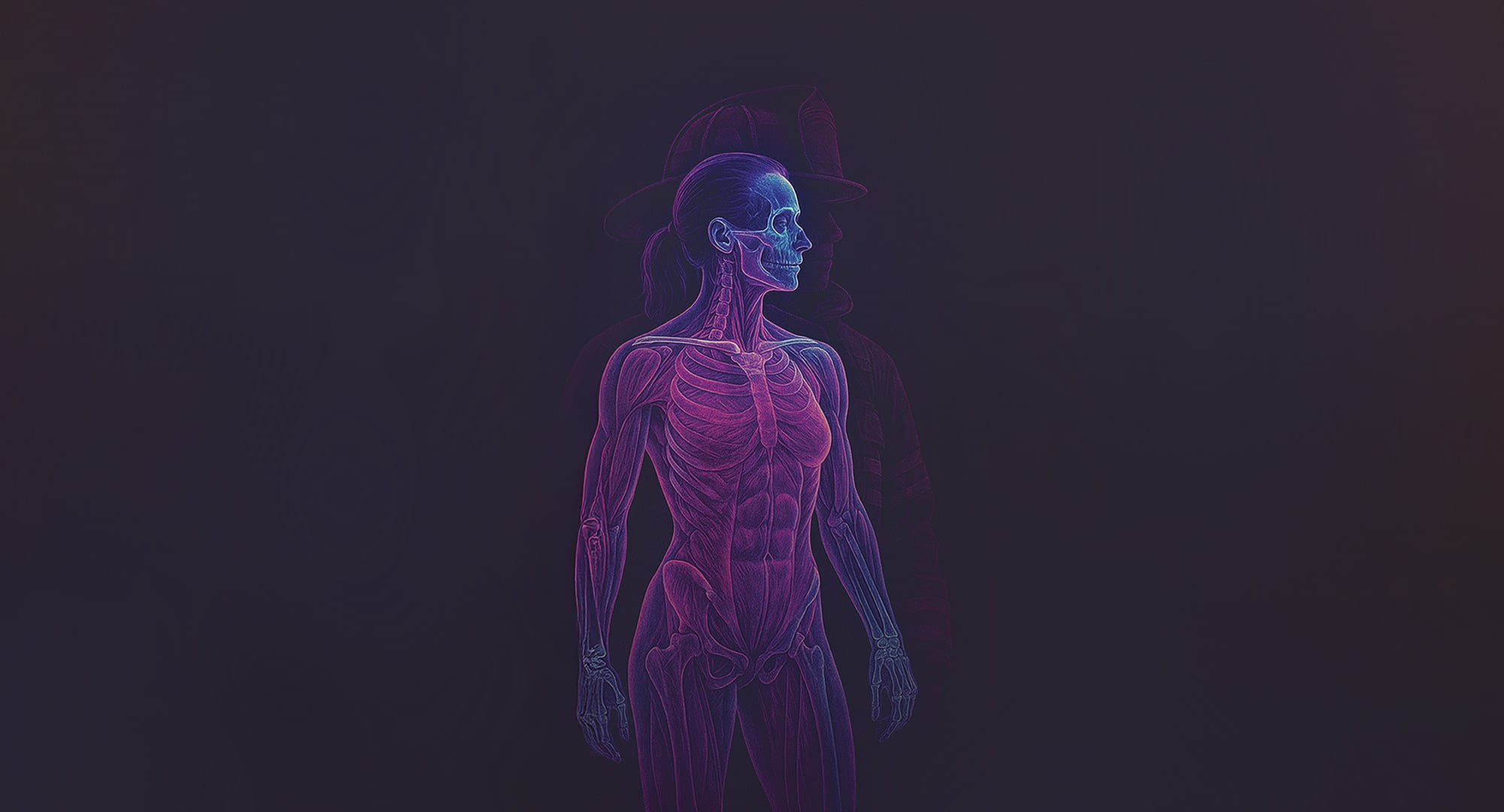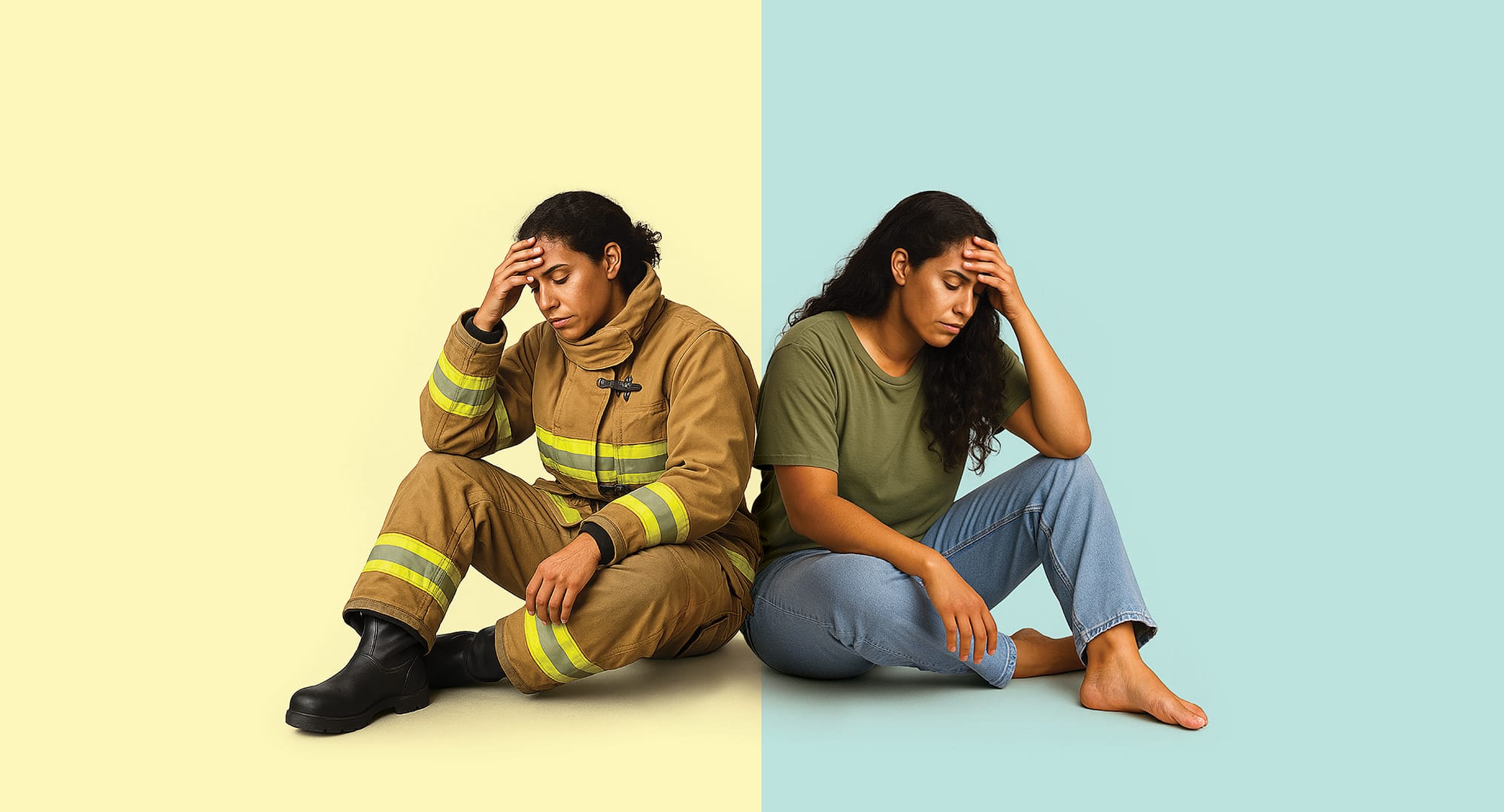
From the day we women are born, our bodies begin a natural maturation that puts us in cycles of growth, development, and degeneration – whether we like it or not.
We can either embrace the natural changes that occur with aging, deny them, or fight them. And with a multi-billion-dollar beauty industry at our fingertips, it’s no wonder many of us battle aging with the same tenacity that gets us through menstruation, birth, and menopause. While we can try to slow the passage of time externally, our organs, bones, and hormones tend to chug along regardless of our wishes.
Remember, it’s not if we’re aging, but how.
Brain
Women have often joked that the male brain is years behind the female. However, studies show that women are, on average, three years younger in brain age than their male counterparts. Before you bellow a big “Ha!” at your spouse, you should remember this study is focused on degeneration, not maturity. But go ahead and have your laugh – provided you're ok with sleeping on the couch.
As we age, many things begin to shrink, and our brain is not exempt. Along with changes to vasculature and cognitive abilities, brain thinning is an unavoidable consequence of aging, a natural part of the process.
Diseases like dementia and Alzheimer’s are thought to be more prevalent in females than males, but this needs to be considered in light of the studies that suggest women live, on average, five to six years longer than men.
Fear not, as there are many experts who suggest that we can lower our brain age by engaging in specific activities, such as adopting certain diets, practicing mental exercises, taking specific vitamins, and, of course, getting the recommended amount of sleep.
Menopause & Hormones
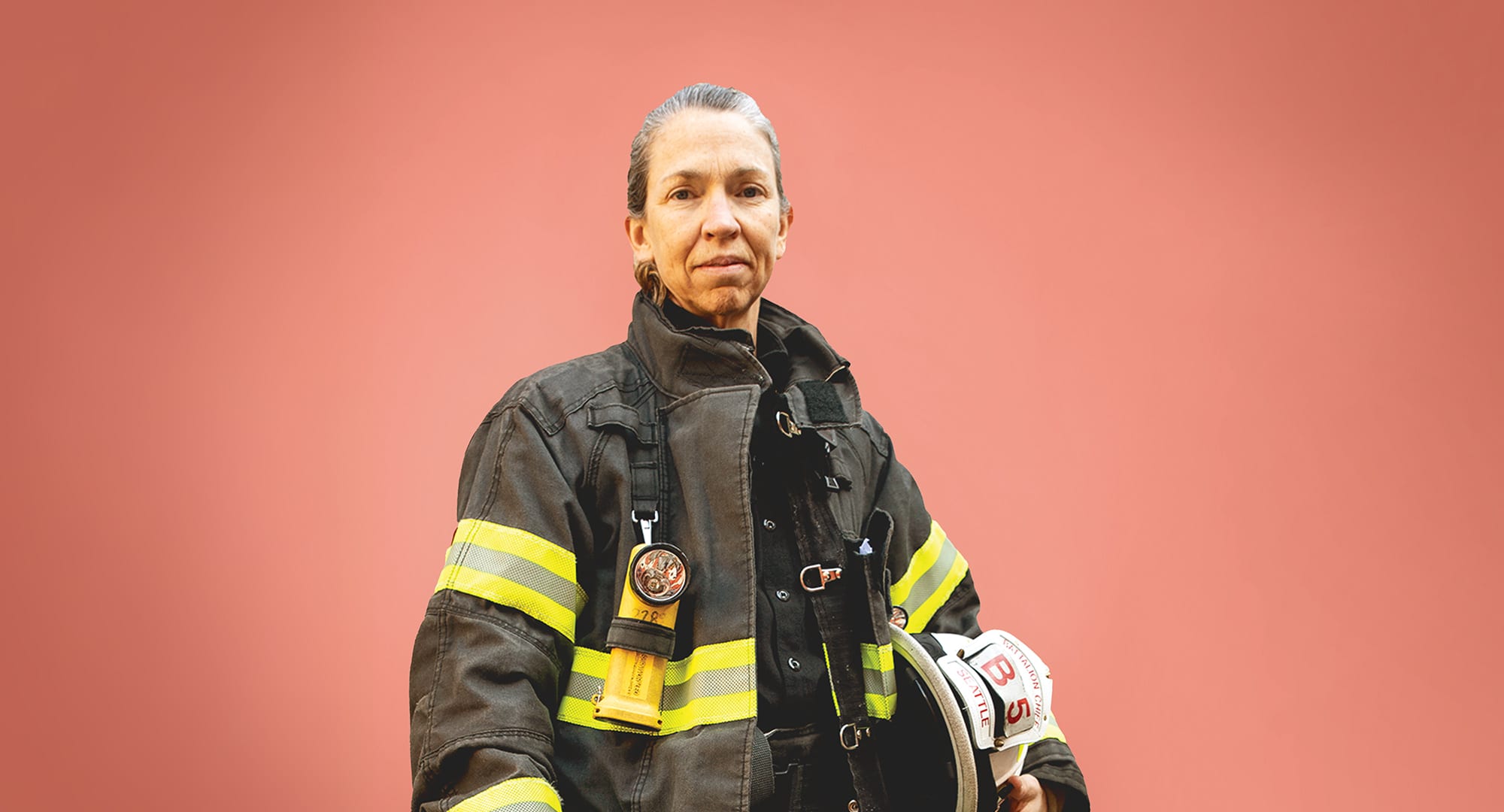
Working in a hot job with hot flashes can be torture for female firefighters going through menopause.
If there were an option to turn off the flushing and sweating, most women would likely opt for it; however, firefighting has never been about convenience. It’s not considerate in the least bit when it comes to hot flashes on the job.
Consisting of four stages, menopause and its symptoms can last anywhere from a few months to 10 years. With symptoms like hot flashes, heavy or irregular menstruation, issues with bladder control, sleep, sex drive, and mood changes, it’s no wonder many women dread it and can’t wait until it’s gone.
But menopause doesn’t need to ruin your day (or decade). There are options to help make the torturous symptoms more manageable. Treatments including natural supplements, hormones, medications, diet, exercise, sleep aids, and – for those with urinary incontinence – pelvic floor therapy can help manage the symptoms.
Metabolism & Weight
Once their mythological 20s pass, some women begin to notice changes in systems that once did all the work, no matter how many Doritos and Mountain Dews they consumed. While some of our changes can certainly be attributed to the aging process, other systems begin to require attention as we age.
Studies show that when men go on diets, they often lose weight faster and enjoy better physical benefits than their female counterparts. Men tend to have more muscle mass and a slightly faster metabolism, which gives them the upper hand when it comes to losing that first or last five pounds. In addition, a range of outside factors, such as exercise stagnancy, poor eating habits, thyroid problems and more can all make losing and maintaining weight a struggle for women.
Many of us probably don’t want to hear this: a slow metabolism can often be linked to decreased activity, combined with increased caloric intake. Essentially, exercising remains a vital component of your overall health.
It should be noted that those who live with diseases like hypo/hyperthyroidism or take medications that alter metabolism in one way or another often feel frustrated when they come to an impasse in their weight-loss journey. If you’re stuck at a plateau and neither diet nor exercise seems to be the issue, blood work may reveal answers. Chatting with a dietitian and trainer may also help you overcome frustrating setbacks in your journey to health.
Sex Drive & Sexual Dysfunction
The female sex drive is often far more complex than that of a male, who clocks in at not only a substantially higher rate but a more straightforward one, as well.
While soft music and a candlelit dinner can be nice mood setters, the female sex drive is much harder to pin down, thanks to a number of unknowns. Women are less worried about competing and may potentially be more concerned with the intimacy and authenticity of the experience rather than “just getting it done.” Given that women take, on average, two to three times longer to reach orgasm (if they even do), it comes as no surprise that women have a complex sex drive that sometimes even frustrates them.
A low female libido/sex drive can be the result of a number of causes, so it’s essential to reach out to a medical provider if you are concerned. Your doctor might recommend home therapies, medications, hormone treatments, counseling, or alternative medicine approaches. According to the Mayo Clinic, thyroid problems, diabetes, high cholesterol and liver disorders, along with vaginal dryness and thinning of genital tissues can all be contributors. While none of these are enjoyable to discuss, let alone deal with, information is power and can often provide relief.
Muscles, Bones & Joints
Osteoporosis is a degenerative bone disease often associated with females, thanks largely to hormonal changes that occur during menopause. Estrogen, a female hormone, is imperative for bone health, but as menopause occurs hormone levels fall, largely due to the absence of estrogen from the ovaries. As estrogen levels fall, bone density weakens.
Joints stretch and move throughout our lives, and much like males, women naturally become stiffer and less flexible as they age – one of the reasons we’re more prone to injuries. Joint health should always be on our minds, since joints are not as vascular as muscles, and any injury to a joint will take longer to heal and may never truly be the same again. Stretching, eating a healthy diet rich in vitamins, staying active, drinking plenty of water, and making good lifestyle choices are all beneficial for maintaining our joints.
While being a naturally leaner sex, our muscle mass is still capable of amazing things, depending on our targets and goals. Being leaner, we have the advantage of more natural flexibility, which has its benefits, especially when it comes to safe workouts and recovery. Being flexible doesn’t mean you get to stretch less, but it certainly means your efforts to stretch will be much easier.
And still being able to rock the splits in your 40s should give you some gym cred!
Hair, Nails & Skin
From an early age, we are admired for our soft, baby-like skin, beautiful natural hair, and strong, sturdy nails. But as we age, our nails become brittle, our hair thins and grays, and our skin shows frown lines, sagging, and discoloration. Being an adult female often means dealing with the abuse to our hair, nails, and skin.
While some may hope to avoid natural aging by visiting a hair salon, getting their nails done, or taking time for facials, it’s important to remember the preventative measures that keep us safe, too.
SPF (sun protection factor) can be found in makeup, creams, and sunscreen to help keep the sun’s radiation at bay. The sun emits two types of radiation, UVA and UVB rays – the latter being considered carcinogenic and the main cause of sunburns. Anything connected with carcinogens should be prevented to the best of our abilities since they are capable of causing cancer. UVA rays contribute to signs of aging, including rough, wrinkly and saggy skin.
When we wear sunscreen, especially one with a high SPF, we protect ourselves against advanced signs of aging plus the risk of skin cancer – that’s a win.
How high should your SPF actually be?
First, aim for broad-spectrum protection which protects against UVA and UVB rays. According to cancer.org, use SPF 30 or higher. They state that SPF 15 filters out about 93 percent of the sun’s harmful rays, while SPF 30 screens out about 97 percent. The higher you go in SPF, the smaller the differences are. Basically, spray tans are safer for your skin and won’t put you at risk for cancer – as long as you don’t mind running the risk of possibly resembling an orange (choose your spray stylist wisely).
Eyes
While the thought of partial or complete blindness is enough to unsettle many who enjoy the luxuries of normal sight, our eyes are not impervious to aging and are every bit as important as yearly physical exams. Eye exams are generally expensive and many of us think we don’t have the resources to pay out-of-pocket each year for the exam and glasses; however, should you require corrective lenses to see properly, avoiding the issue won’t make it go away.
Macular degeneration is more common in folks over 50 and is the result of the macula becoming thinner. This leads to unpleasant side effects, such as blurriness and reduced central vision, though not peripheral. It goes without saying that, like many disease processes, prevention typically involves a healthy diet (in this case, one rich in fish), regular exercise, and the management of high blood pressure and cardiovascular disease. Smoking is also frowned upon by all doctors, as smokers are more likely to suffer from macular degeneration than non-smokers.
Cataracts are another age-related eye disease that results in the clouding of your lens, which should be clear. When the lens is cloudy, light cannot focus properly, resulting in blurry or reduced vision. Thankfully, cataract surgery can replace your cloudy lens with a new, artificial lens. While some cataract development is caused by genetics (thanks, Dad), there are many outside factors that can also contribute. Basically, if you treat your body well and wear sunglasses, you’ll be controlling more than just your risk of developing cataracts.
If the thought of bifocals evokes memories of your high school librarian, rest assured that when you can see properly, you reduce the risk of headaches, eye fatigue, and even unnecessary car accidents. You may even want to consider laser eye surgery, a procedure that’s changing the lives of patients looking for freedom from frames.
Ears
If bragging about your selective hearing/listening is your power move over your family, just make sure you can actually hear what’s being said – and aren’t covering up for a loss of hearing.
Over time, the inner ear breaks down. Symptoms of hearing loss can include muffled sounds, trouble hearing words in a room full of other louder noises, ringing in your ears, misophonia (sensitivity to sound), and, of course, needing to turn up the music because you can’t hear it at the same volume you once did.
But women, take heart – you’re half as likely to have hearing loss as your male counterparts.
Thankfully, we are surrounded by excellent care practitioners and specialists who can help diagnose hearing loss, often with an initial free assessment, and provide you with a plan to help you hear clearly again.