First responders can benefit from an athlete’s approach to preparation, recovery, and resilience to sustain performance and extend their careers
It’s over. Another call, another day being the one people rely on in their worst moments. You head back to the station, clean up, debrief, and get ready for the next call. Your back hurts, your shoulders ache, and your knees crackle with each step up the stairs. You did your part in today’s physical training, but you still feel the effects of every call. Your most important piece of equipment is broken. You are broken. You are one slip away from being put on the shelf. You did everything you are supposed to do; why do you feel like this?
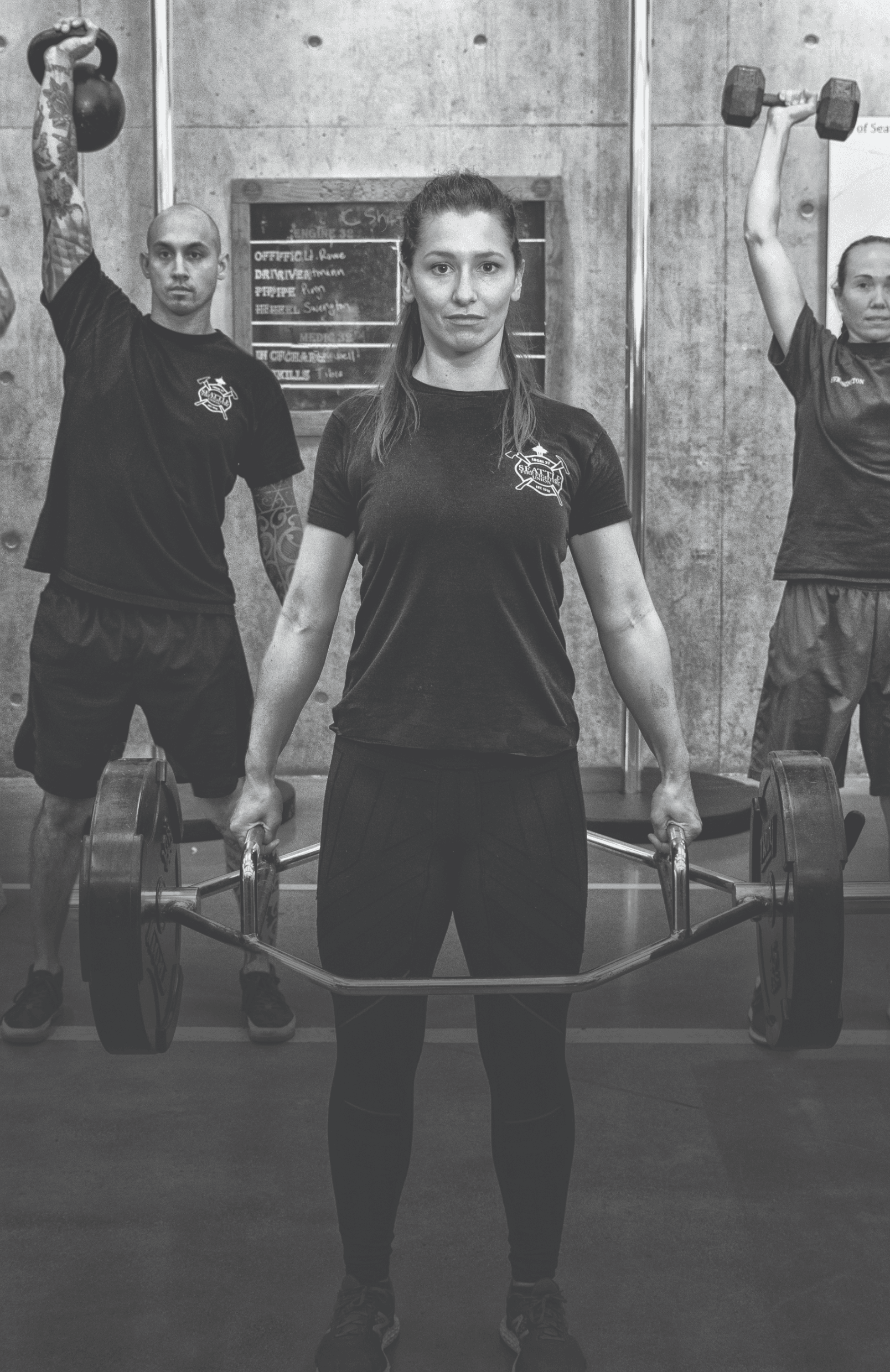
It’s time to change how we view first responders’ physical preparedness. Your job as a first responder relies on your body’s ability to be resilient in the face of danger. I liken this to elite athletes’ resilience. Their bodies must be prepared to respond to their opponents’ movements in a fraction of a second. They must exert maximum strength, endurance, and focus throughout an entire game. When the game is over, they begin the recovery phase. They head to the athletic training room for treatment and recovery to keep aches from turning into injuries. In the morning, it’s back to the same routine.
Now imagine if that game lasted not just a few hours, but your entire shift. Each call is its own game/practice. You end your shift having played multiple “games,” each requiring your maximum effort in some capacity. The difference between you and an athlete, even many high school athletes, is that their preparation for the next game doesn’t stop when they return to the locker room. We have to stop thinking that a few hours in the gym is enough to keep you “on the field.” I go to first responder conferences and see the senior firefighters limping around all too often. They are often “forced” off the front lines because their bodies have failed them. What if treating first responders like the athletes they are extended their time on the front line by an extra five years?
Redefining First Responder Readiness
Athletes compete in high-intensity, short-duration competition, similar to responding to a call. What differs is the volume of those events and the pre- and post-call preparation. Athletes are afforded pre-game routines to warm up and reduce injury risk. As a firefighter, you don’t have that; every second counts. To handle this, our philosophy of taking care of the most valuable tool – you – has to evolve to foster growth and resilience in the mind and body. This philosophy of treating your body as an athlete, or workplace athlete, includes measures to ensure you can adapt and respond at the drop of a hat, just as an athlete must be ready to go in the game at any moment.
The “Workplace Athlete” may seem silly, but let’s break it down. An athlete must be able to jump, lift, work in the elements, and perform high-intensity, short-duration exercise. First responders are asked to climb, lift, work in awkward positions, perform in the elements, work long shifts at moderate to high intensity, work while physically and mentally fatigued, and perform with precision under pressure. The body doesn’t differentiate between a fourth-quarter drive and a 24-48-hour shift; it only knows it has a job to do. To sustain a long career, first responders need to think like “Workplace Athletes.”
Preparing as a workplace athlete means helping the body reset so it can handle repeated physical demand day after day, not just “feeling less sore.” A practical method is to get 7–9 hours of sleep, stay consistently hydrated during and after work, and eat a small recovery meal after each call that includes 10–20g of protein and carbohydrates to replenish energy stores. For example, simple recovery options include chicken and rice, a turkey sandwich with fruit, or a protein shake paired with a bagel if you’re on the go.
Recovery Is Part of the Job
Adding a post-call recovery plan, such as thermal modalities, stretching, compression modalities, and physical rehabilitation, helps reduce stiffness and keep tissues healthier over time. Think of it this way: recovery isn’t a luxury, it’s maintenance. Just like equipment needs servicing to stay reliable, the body needs regular recovery habits to perform throughout your career.
The goal of the workplace athlete mindset is simple: stay healthy enough to keep showing up. Firefighting will always be demanding, unpredictable, and physically taxing. The difference between a short, painful career and a long, sustainable one comes down to consistent preparation, nutrition, and recovery habits. Firefighters who treat these habits with the same vigor they bring to the call don’t just reduce injuries; they extend careers, improve performance, and protect the life they’re working hard to build outside of work.
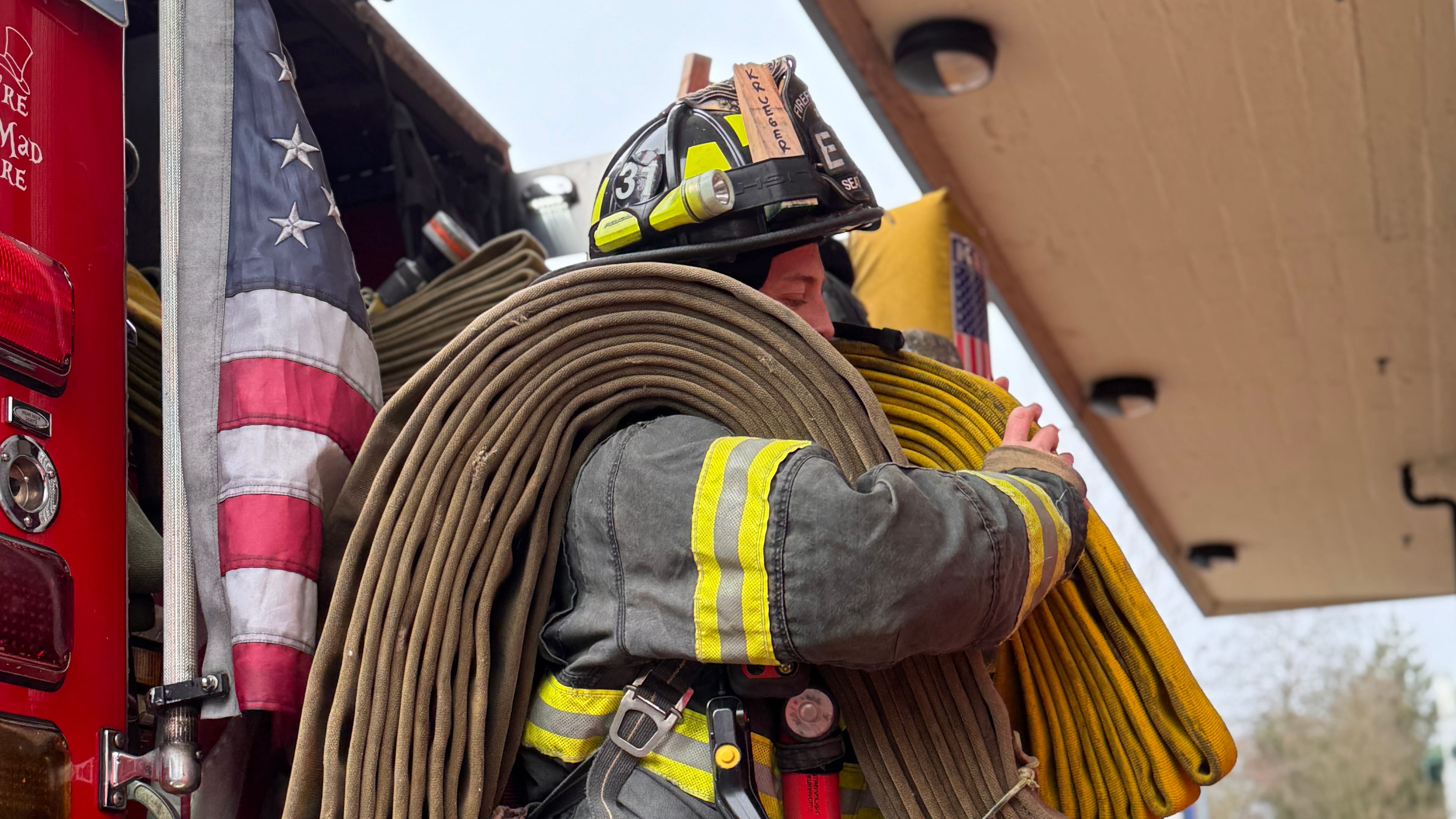
Photo by Steve Baer | FireDog Photos