By Jon Vought
Disclaimer: I’m not a physician; none of this is intended to be medical advice. None of these statements have been evaluated by the FDA. CBD isn’t intended to be used to diagnose, treat, prevent or cure any diseases or illnesses.
If you’ve read any of my articles before, you already know a bit about cannabidiol (CBD) and also that it can be made for firefighters to use and still pass drug tests. For those of you who haven’t read any of that stuff, I’ll give you the quick rundown: CBD is a compound from the hemp plant that research has shown reduces inflammation, improves overall sleep time, and reduces symptoms of anxiety. It’s non-psychoactive, which means it doesn’t produce an intoxication or “high” feeling like its cousin, THC.
To understand the optimal time to take CBD for anxiety, we must first examine how CBD works and the specific consumption method. This knowledge will help us determine the most effective timing for individual needs.
Sublingual Administration: Slow-Acting, Long-Lasting
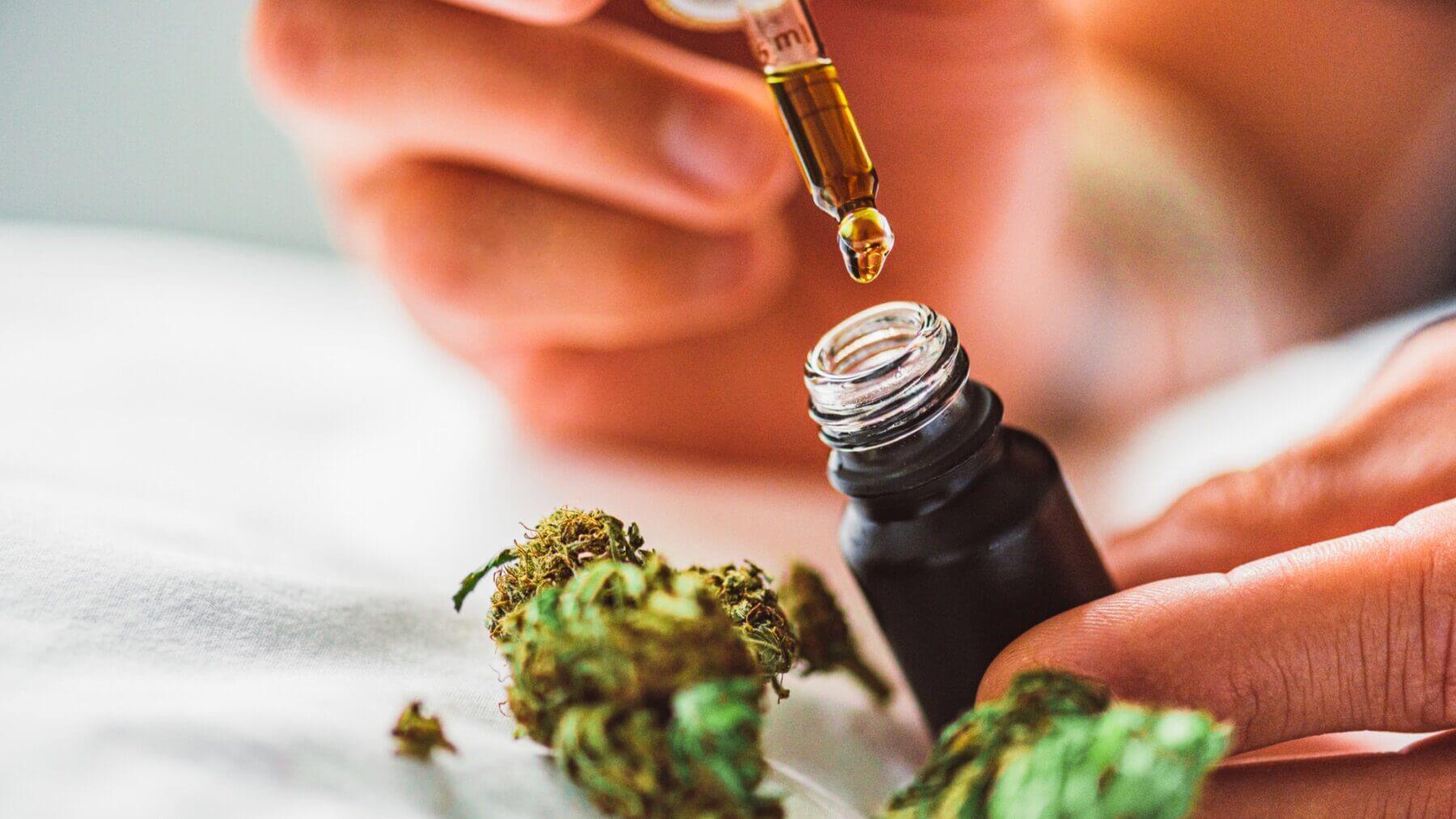
Sublingual (under the tongue) is probably the most commonly used CBD in the fire service because CBD oil is safer than inhaling a vape juice or e-liquid containing CBD.
In reading research on CBD in humans, we can see that sublingual CBD takes about an hour to hit its peak concentration, and it lasts about six hours in the body. These are both based on the average healthy human, and many of these studies were done on both adults and in pediatrics. The timing of CBD consumption is particularly important for those with chronic or sporadic anxiety due to the specific onset time of CBD effects.
Vaping: Quick-Acting, Short-Lasting
This form of CBD delivery is a bit controversial for me. On one hand, it’s really logical to have the delivery of this compound be as fast as possible when you want to resolve symptoms as fast as possible.
On the other hand, the contents of vape liquid aren’t well-enough known, long-term studies of the effects on lung tissue or other body systems haven’t been done. Just from my short education as a paramedic, even I know that if it’s not nitrogen and oxygen, your lungs don’t want it. The effective strength of CBD lasts about 1.5 hours when inhaled, so it doesn’t stay active very long compared to the six hours when taken sublingually.
Side note: There are an innumerable amount of very low-quality CBD companies that have vape products, and none of them cater to firefighters/first responders needing to pass drug testing requirements. Shop with caution.
Chronic vs Acute Anxiety
If you can predict when your anxiety is at its highest, this is very simple. Take CBD before your symptoms start. What’s harder to deal with, which is the unfortunate case for most people with anxiety, is anxiety that just rears its ugly head for no rhyme or reason. This means you’ll have to take CBD early in the day and maybe once more in the afternoon/evening.
CBD tends to linger in the bloodstream for those who use it chronically, so if you’re taking it consistently, you may not need that second dose of the day, it’s all in how you feel.
Consistency is Key
Especially if you’ve never taken CBD before, you must take it daily, so your body will retain it. CBD is fat-soluble, and if you’re taking it for the first time, it won’t build up in your fat cells or bind to fatty acids very well. It takes time for your body to recognize and utilize the compound.
How Much Should You Take?
Dosing is a tricky thing because we have to assume your body won’t absorb most of it. Research has examined the dose-response relationship for different administration routes (sublingual, inhaled, IV, and oral). And it turns out that the bare minimum is 30mg to have any noticeable effect on anxiety in humans.
Data shows increased relief all the way up to about 300mg (depending on the type of anxiety). After that, there was no more improvement. About 300mg is a high dose. Many people can get results with much less, and it’s much more cost-effective. The best way to get started is with a single serving (at least 30mg), and increase from there to see how you feel. Start with once a day, you can always increase from there if needed.
Words of Caution
Drug testing is always a concern. If you’re unsure of the brand’s THC content, call and ask to talk to someone about testing and ask for a CoA (certificate of analysis). If there’s any hesitation or issue with them sending one, they’re not the brand for you. We make our CBD with 0.000% THC, and you can learn more about what we do on our site or social pages.
Always speak with your doctor if you’re taking CBD with medications. CBD may or may not interact with medications, and only your doctor can and should advise on those two mixing together.
Jon Vought is a firefighter/paramedic on the job in South Florida who currently holds the rank of Captain with 16 years of experience. He started Rescue 1 CBD in 2020 on a mission to bring CBD into the mainstream of the U.S. Fire Service.
References: