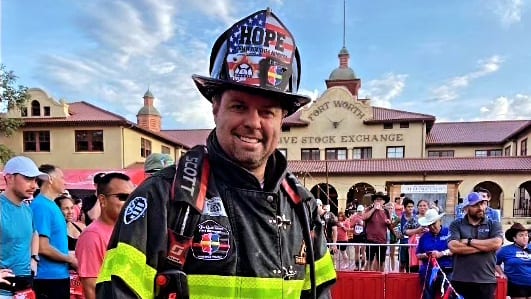
“Fireman Rob” Verhelst completes Ironman races in full fire gear.
“The heaviest gear I’ve ever carried was the gear no one could see.”
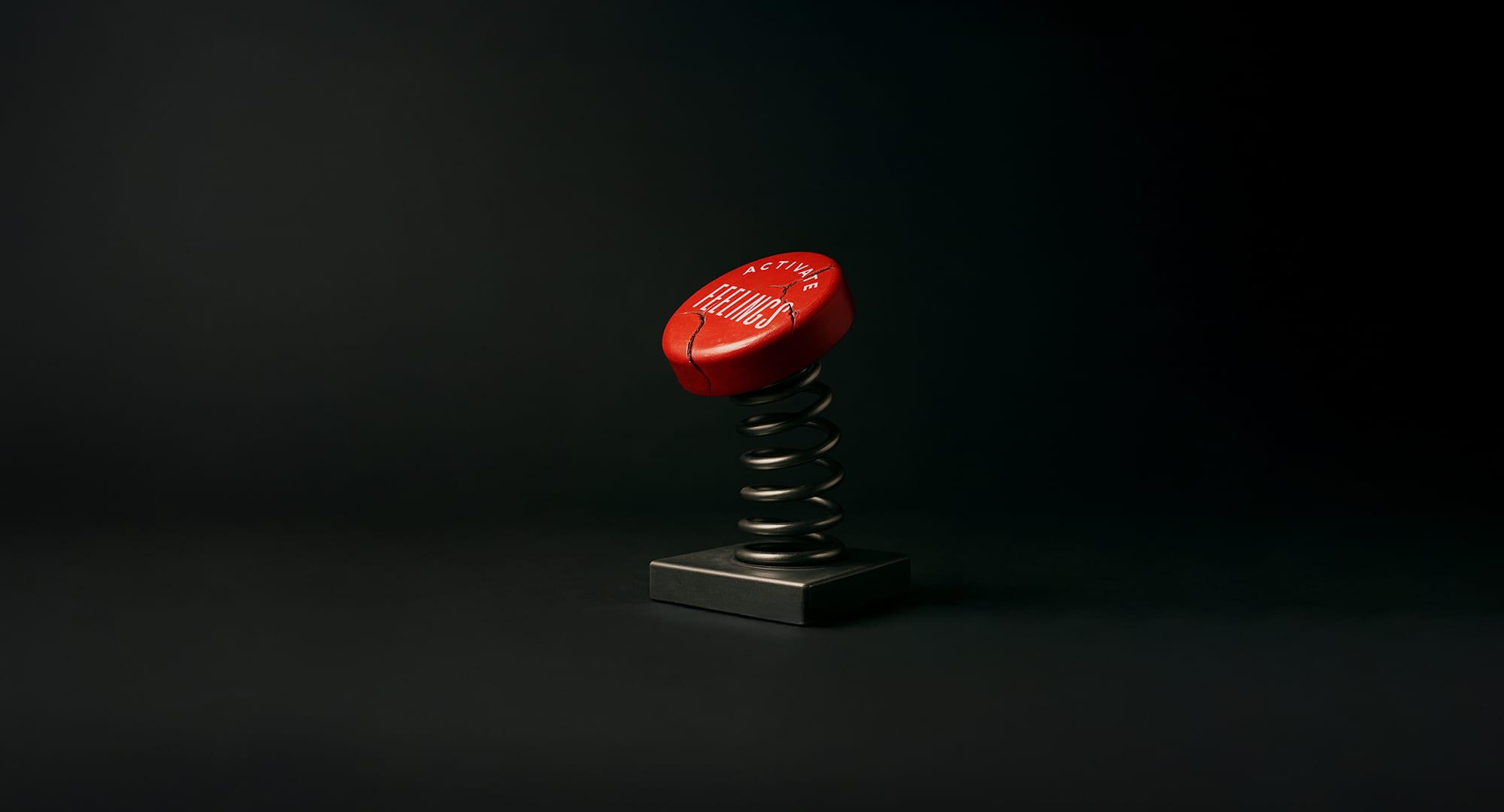
Firefighters understand weight. We carry tools, expectations, responsibility, the histories of the people we serve, and the pressure of knowing that when things go wrong, we are the ones expected to make them right. But the deepest weight isn’t on our shoulders. It’s inside us – slow, quiet, and easy to ignore until it isn’t.
For years, I lived in two versions of myself. There was the firefighter who showed up strong and capable. And then there was the version who went home exhausted in a way that sleep couldn’t fix. As long as I could pull a line or do my job well, I told myself I was fine.
I wasn’t.
I came home from 9/11 – working at Ground Zero at 23 years old – with memories that didn’t fade the way people promised they would. I pushed them down because the job demanded strength, not vulnerability. But pain doesn’t disappear because we stay silent. It’s like throwing everything into a closet and holding the door shut. Eventually, it comes crashing out.
The Weight You Don’t Notice Until It Breaks Through
After 9/11, I tried outrunning my own mind. I left the fire service and joined the military, thinking a different mission might steady me. Trauma doesn’t care what uniform you wear. It follows you quietly, waits for you when you’re tired, and shows up in places you don’t expect.
When I returned to the fire service after my service in the military, I came back with even more packed into that closet I refused to open. Life added even more: my dad passed away. Years later, one of my closest friends died in the line of duty. These weren’t calls. They were losses that hit far beyond the job. And grief has a way of amplifying everything you’ve been trying not to feel.
Like many firefighters, I kept going. I kept pretending the door would hold.
“Firefighters are good at pushing through. We’re not always good at slowing down enough to feel.”
When Numbness Becomes the Warning Sign
The emotional overload didn’t stay hidden. It showed up in ways I didn’t want to admit. It was anger at home and breakdowns in silence. It was feeling disconnected from the people I loved most. It was being physically present but mentally somewhere else entirely.
At one point, calling the veteran suicide hotline felt easier than telling someone I knew that I was struggling. Not because I wanted anything to happen to me, but because I didn’t know how to keep living with everything swirling inside my head.
And yet, every morning, I put on the uniform. I showed up. I did the job.
Some of the strongest people you will ever meet are fighting battles you know nothing about.
Sometimes strength looks like confidence. Other times, it looks like just getting through the day.
A Moment That Shifted Something
When I couldn’t reach myself emotionally, I turned to something physical. That’s how I ended up doing Ironman races in my firefighter gear. The pain made sense in a way the emotional weight didn’t.
One night at Ironman St. George, after hours of wind, heat, and silence, I found myself still moving long after the race had officially ended. No finish arch. No crowd.
Just me, my family and friends, and the dark.
Then more people showed up – firefighters, police officers, race staff, strangers. No speeches. No motivation. They just walked beside me. Quiet. Steady. Present.
It reminded me of something I’d forgotten: “Strength is not doing hard things alone. Strength is letting people walk with you when the path gets heavy.”
Cumulative Trauma: The Quiet Weight
In our line of work, trauma rarely comes from one event. It’s cumulative. It’s the pediatric calls that carve a space inside you. The medicals you tell yourself were routine. The faces and moments that appear years later without warning.
Cumulative trauma doesn’t shout. It whispers. It shows up in the way you sleep, the way you react, the way you withdraw. It builds slowly until one small thing becomes the weight that changes everything.
We aren’t weak for being affected. We’re human.
“Cumulative trauma isn’t one bad call. It’s a thousand small ones we never made space for.”
What Healing Really Looks Like
Healing isn’t pretty. It isn’t perfect. And it sure isn’t quick.
For me, healing looked like finally being honest with myself after years of pretending I was fine. It looked like admitting the job had taken more out of me than I wanted to believe. It meant stopping long enough to feel what I’d been avoiding.
Healing wasn’t about fixing everything. It was about facing it.
Some days it meant talking instead of shutting down.
Some days it meant letting my family see past the armor.
Some days it was simply getting up and promising myself I’d try again tomorrow.
That’s the truth I’ve learned through all this:
You don’t have to be “all good” to move forward.
You just have to stop running from the parts of you that are hurting.
My mindset comes from that place – not from being healed, but from choosing to keep going even when I wasn’t. From owning my story instead of letting it own me.
Healing isn’t about going back to who you were. It’s about becoming someone who can carry what you’ve lived through without breaking under it.
If you’re struggling right now, it doesn’t mean you’re weak, and it damn sure doesn’t mean you’re finished.
It means you’re human. And it means tomorrow is still yours to fight for.
“You’ve already carried the weight. Strength is choosing to keep moving with it – on your terms.”
“Fireman Rob” Verhelst is a career firefighter, Air Force veteran, and Ironman athlete known for completing races in full fire gear. A global advocate for mental health, speaker, and host of the Forged in the Fires Podcast*, he brings an honest, human approach to resilience and healing – offering a mindset that supports first responders and anyone fighting through hard chapters. Learn more at FiremanRob.com.*