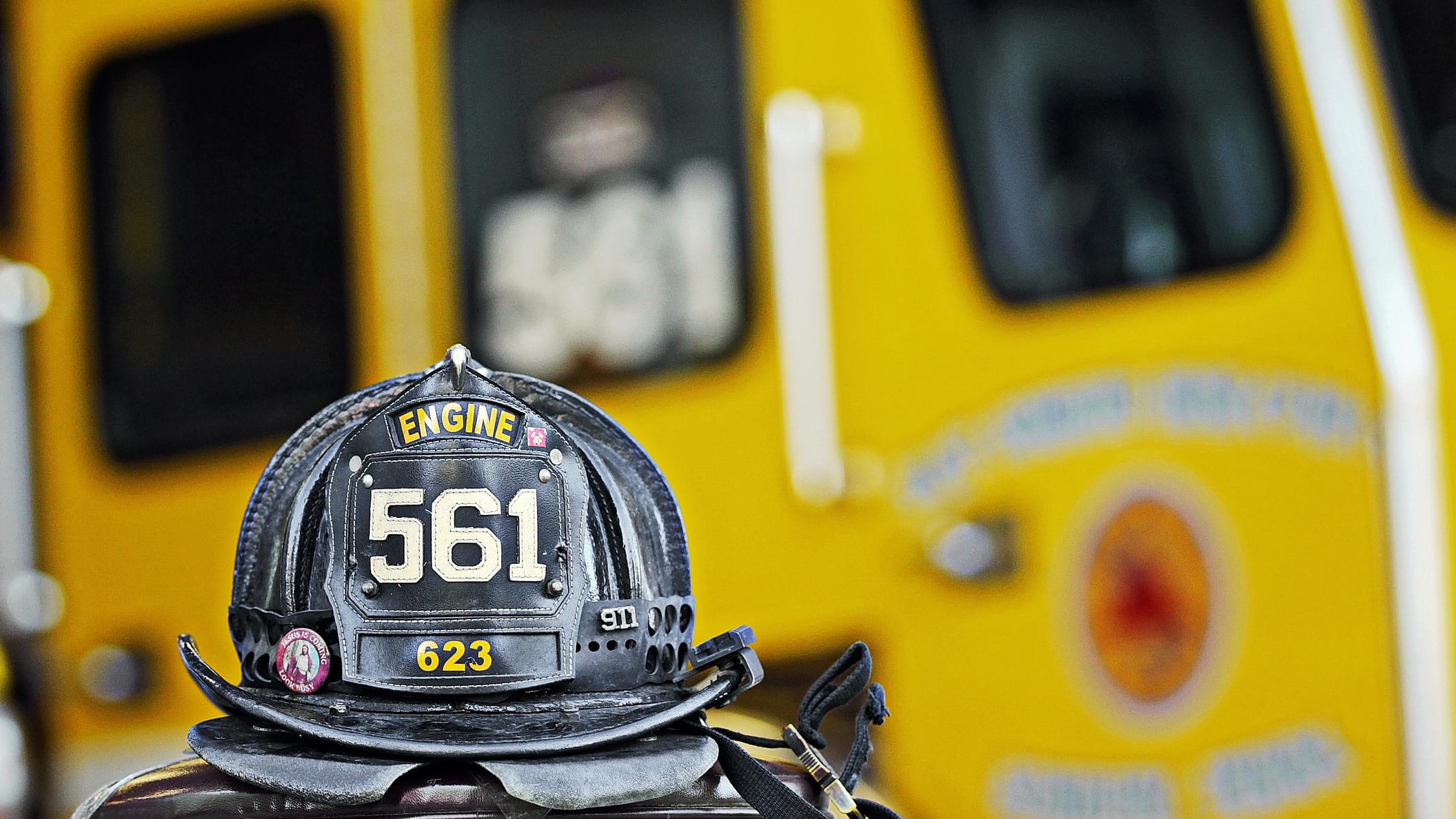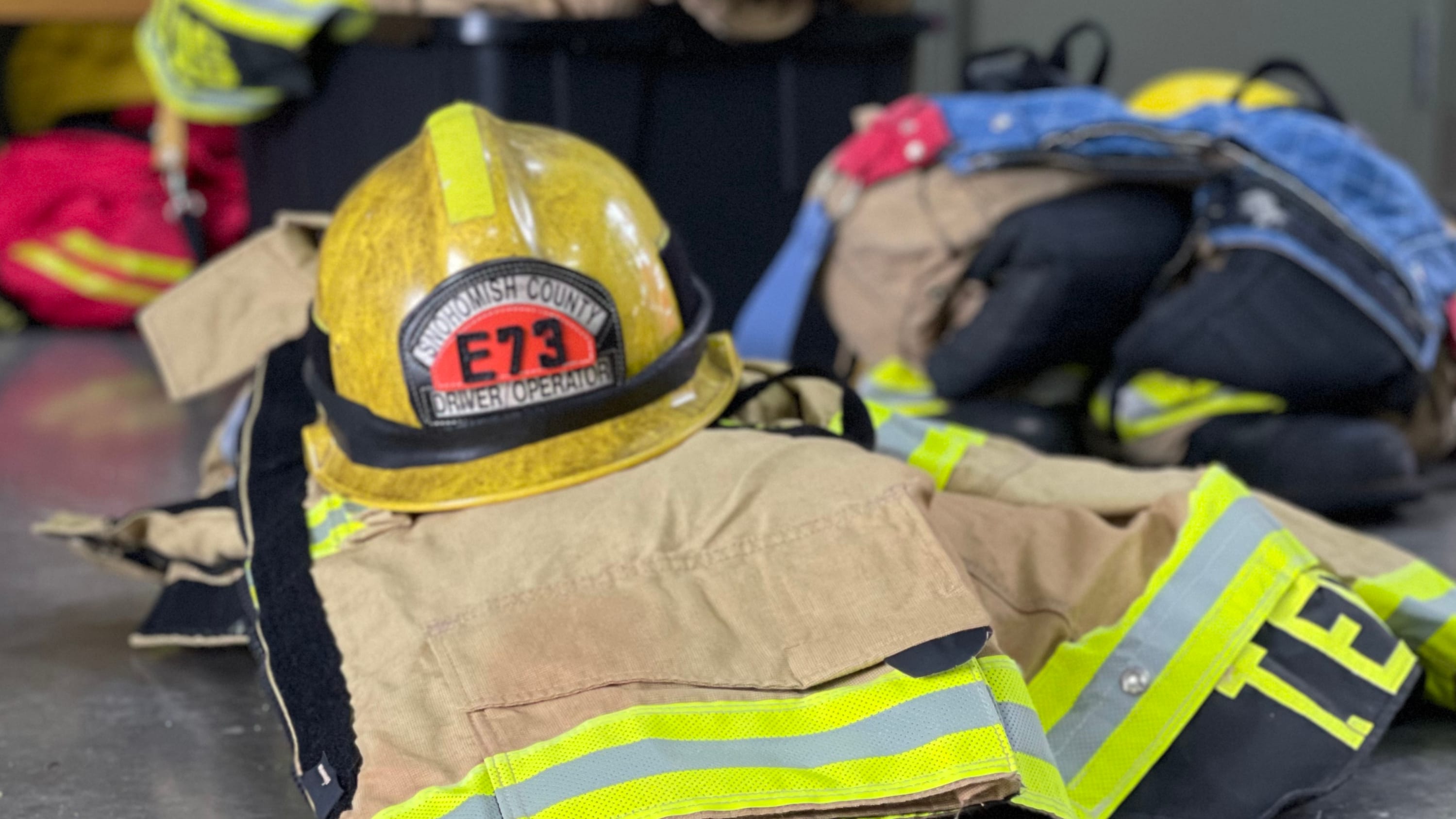
Every siren we hear tells a story. For most of us, it’s just background noise – a fire truck racing past, an ambulance weaving through traffic, a police cruiser flying toward danger. Yet for the men and women behind the wheel, and for the dispatcher on the other end of the radio, it’s possibly another moment of trauma piled onto an already heavy load.
First responders – police officers, firefighters, EMS personnel, and 911 dispatchers – carry burdens the public rarely sees. In my film, “PTSD9-1-1,” psychologist Dr. David Black says, “We outsource our traumas to first responders.” They are the helpers in our darkest moments. But who helps them when the burden becomes too much to bear?
That question fueled my work on “PTSD9-1-1”, a feature-length documentary that follows three first responders: a police officer, a firefighter, and a 911 dispatcher. Their journeys reveal both the pain and the resilience of those who dedicate their lives to serving others.
Three Perspectives, One Shared Struggle
What I learned in filming these stories is that while the jobs differ, the toll of trauma is universal.
Law enforcement officers’ ongoing exposure to violent incidents, traumatic environments, and adversarial interactions, when coupled with inadequate leadership, significantly undermines trust, sustains hypervigilance, and fosters isolation from family support systems.
Firefighters and EMS personnel battle not only flames and wreckage but also the grief of lives they can’t save – images that never fade. And dispatchers, the “first, first responders,” absorb trauma through the voices on the other end of the line. They experience the panic, the screams, even the last words of a dying caller, often without the closure of seeing how the story ends.
Each group faces unique challenges, yet all share the risk of burnout, depression, fractured families, substance use, and tragically, suicide. “PTSD9-1-1” doesn’t shy away from this reality, but it also highlights hope: when agencies invest in peer support, leadership development, and comprehensive wellness programs, lives can be saved and careers extended.
From Screenings to Conversations
Since its release, “PTSD9-1-1” has been screened in more than 80 cities across the United States. Whether in a church, a local college theater, or a city auditorium, the reaction has been the same. Officers, firefighters, and dispatchers approach me and say, “I saw myself in the film.”
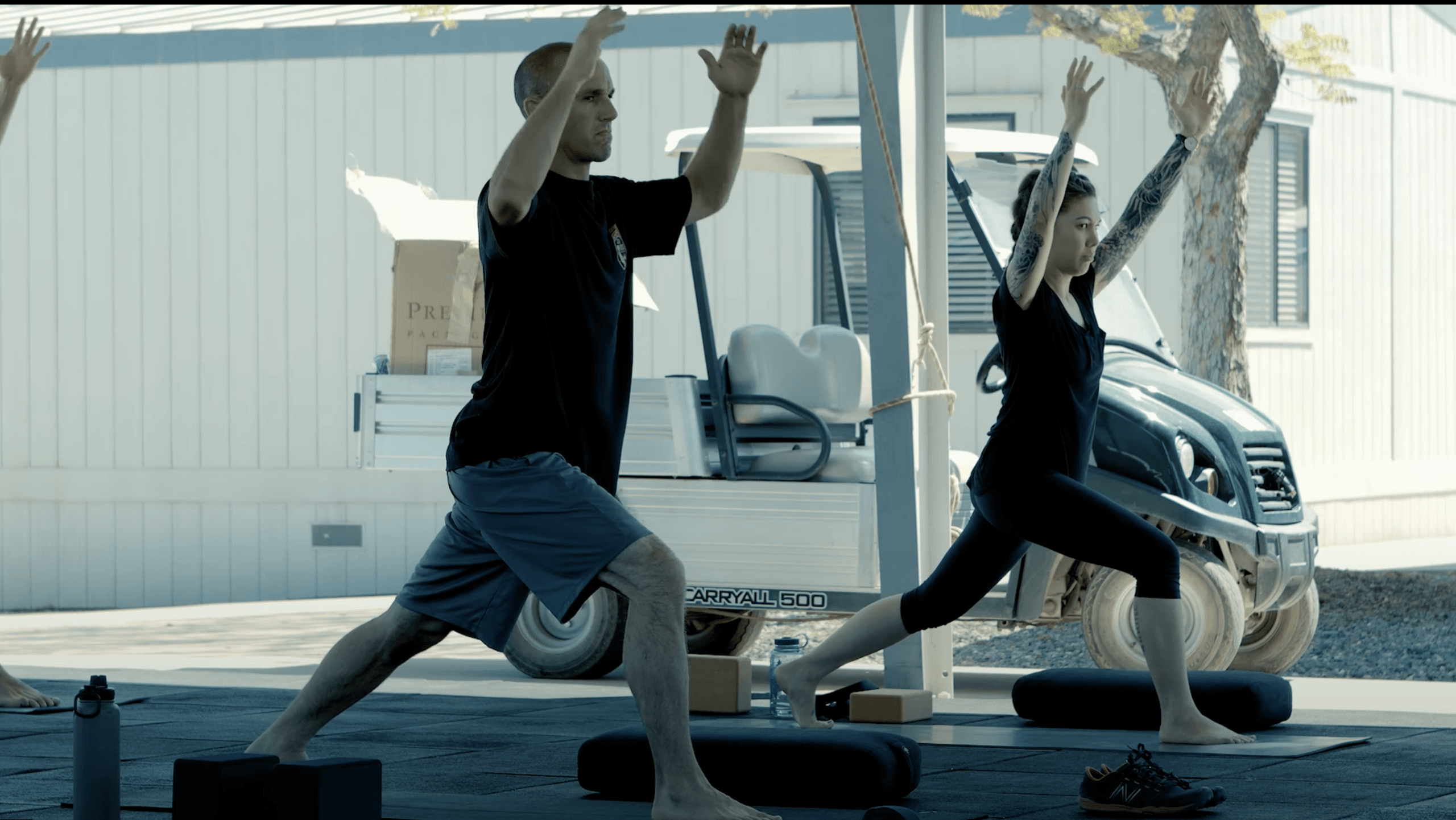
The screenings spark awareness, but what happens afterward is where transformation begins. Across agencies, the film has prompted honest dialogue and inspired the creation of wellness teams and peer-support groups dedicated to caring for their members. By confronting stress, stigma, and potential solutions together, these conversations often become the first courageous step toward lasting healing and stronger wellness cultures.
Extending the Dialogue
A film can spark awareness, but sustaining change requires ongoing dialogue and action. That’s why I launched the “First Responder Wellness Podcast.” The show expands on the themes of the film, offering weekly conversations with chiefs, captains, dispatch supervisors, psychologists, trainers, and front-line responders.
Through these episodes, we highlight what’s working and where gaps remain. Chiefs share how they’re reshaping culture, firefighters discuss peer-support programs, and dispatchers speak candidly about the invisible weight of their job. Listeners walk away encouraged and equipped with ideas to take back to their own agencies.
One truth emerges again and again: wellness is not optional; it is essential. And leadership sets the tone. Agencies thrive when leaders create a culture where asking for help is respected, not punished. Conversely, ignoring wellness fosters toxic environments where burnout spreads and resilience crumbles.
A Call to Leaders
If there is one message I hope “PTSD9-1-1” and the “First Responder Wellness Podcast” communicate, it’s this: leadership matters. Leaders must be the champions of wellness across every discipline: law enforcement, fire, EMS, and dispatch. That requires more than words. It means allocating resources, providing access to trusted mental health professionals, and modeling a commitment to wellness from the top down.
Healthy leaders create healthy agencies. And healthy agencies keep communities safe.
Looking Ahead
The work of “PTSD9-1-1” and the “First Responder Wellness Podcast” is just beginning. My hope is they will continue to spark dialogue, challenge leaders, and remind first responders in every discipline that they are not alone.
Ultimately, this is not only a first responder issue, it is a community issue. Public safety depends on the wellness of those sworn to protect it. If our first responders are broken, our communities cannot thrive. Supporting their health – body, soul, and spirit – is not optional. It is essential.
This is the moment for leaders to rise. As John Maxwell says, “Everything rises and falls on leadership.” If leaders prioritize wellness, their teams will follow. If leaders model wellness, normalize these conversations, and invest in real solutions, entire cultures can change. But if leadership continues to look away, stigma will endure, and lives will be lost.
The future of our first responder community rests on courageous, intentional leadership – leadership that chooses to act not tomorrow, not someday, but today.
Conrad Weaver is the director of the award-winning documentary “PTSD9-1-1” and the host of the “First Responder Wellness Podcast.” Conrad is also a John Maxwell Certified Speaker. To contact him, send an email to Conrad@firstresponderwellness.co