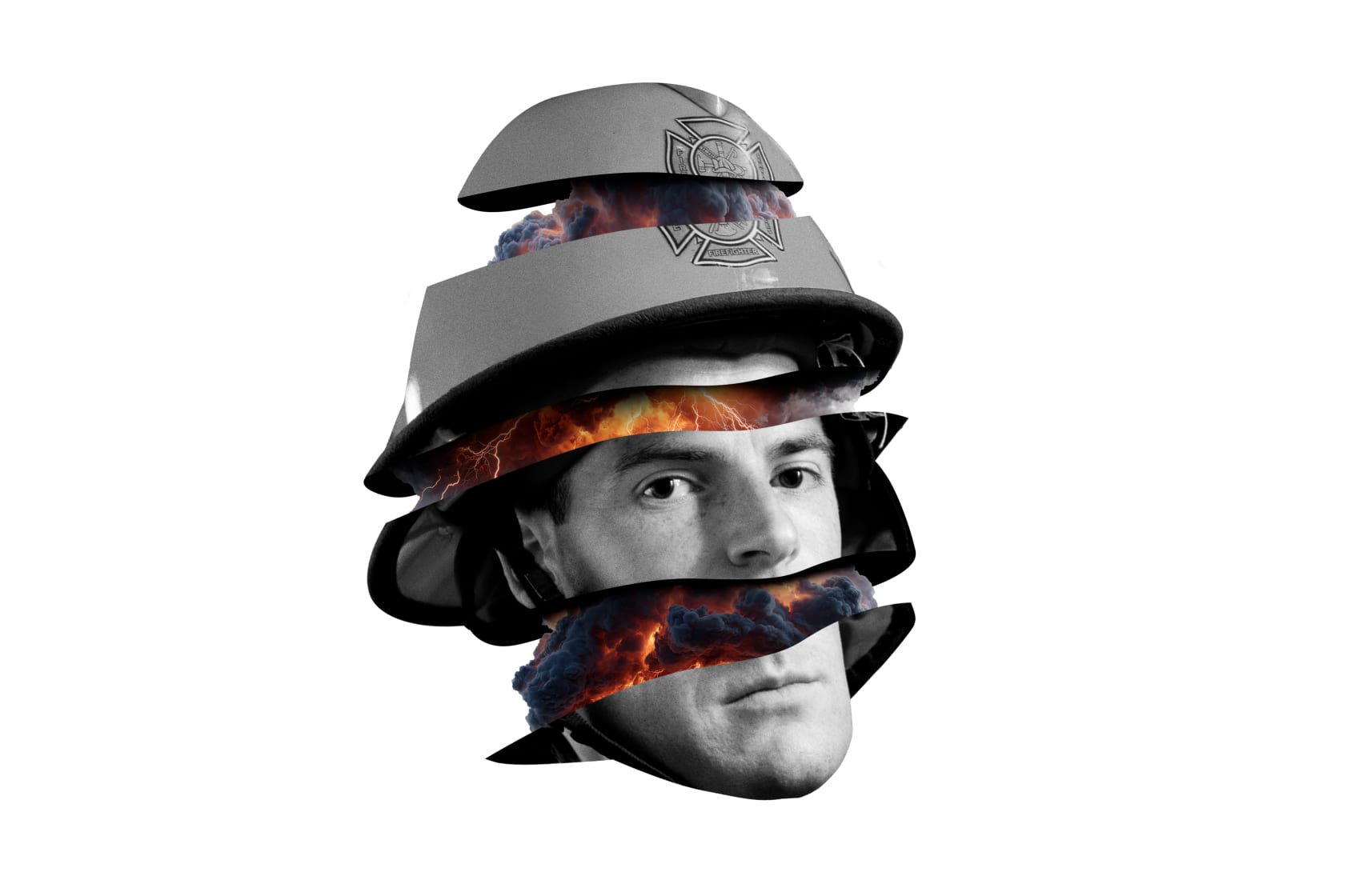

You just finished a shift or a long call. You pull into your driveway, approach your front door, and immediately feel a pit in your stomach – a sense of impending stress.
Somehow, despite rarely resting, you feel you still cannot catch up from the previous days and weeks. You find yourself saying, “I just need to get through this day, week, month…” constantly, and the day-to-day experiences outside of work are unrelenting and overwhelming.
Why does this happen? Why is it that some people feel constantly on edge and unable to unwind, even when it’s not simply about work-related stress or a packed to-do list?
At a foundational level, stress is a natural response to a perceived threat. Our brains are constantly evaluating how stressful situations are and how to manage them.
Stress is subjective. In other words, two people might view the same situation differently – some may feel the threat is manageable and they have the necessary resources to handle it, whereas others may not. While there are clear job-related stressors, individuals often overlook those that extend beyond work experiences.
Contributing Factors
Psychological stressors arise when the perceived threat is the potential for failure, criticism, or even rejection. This can be more challenging to recognize than physical or environmental stressors.
Communication plays a crucial role for both internal and external pressures. How we talk about stress, how often we discuss it, and the meaning we attach to it impact our perceptions of stressful experiences.
Phrases such as, “I am so stressed,” “I feel like a ball of stress,” and “I am always stressed out” are common in our normal conversation. From a social standpoint, we frequently discuss being stressed, sometimes even with an implicit sense of pride, as if being stressed is a sign of importance or a measure of worth.
Consequently, people can become accustomed to a lifestyle in which high levels of stress are the norm, in some cases even cultivating an obsession with productivity over self-care. Additionally, when people discuss their stressful lives, they rarely explore the underlying cause beyond the packed to-do list. They overlook the how and why behind their reactions to daily demands, and in turn, making it more challenging to address.
Psychological Stressors
Anticipation
The anticipation of completing tasks, engaging in unfamiliar experiences, or having an overwhelming number of responsibilities can lead to feeling stressed before the actual event even happens. We are often concerned about having enough hours in the day to accomplish tasks.
Perfectionism
Perfectionism involves setting high expectations for oneself and striving to meet them, often to an extremely high standard. Failing to meet those expectations can then lead to feelings of insufficiency or inadequacy as if one is a disappointment. Thus, perfectionism causes a fear of not being enough.
People Pleasing
Stress can also be caused by a deep-rooted need for people pleasing, which involves prioritizing the approval and needs of others over your own. This stressor focuses on the desire for validation and acceptance from others.
External Pressure
Cultural norms and societal messages are external influences that cause a sense of pressure to meet others’ expectations. While such stress can have a positive effect on performance in some ways, the motivation to meet expectations can also perpetuate a cycle of feeling the need to maintain a certain level of performance, ultimately leading to chronic stress.
Inside Your Head
Intrapersonal communication — the voices in our heads, the stories we tell ourselves — can make these issues worse. We sometimes engage in all-or-nothing mental messages, telling ourselves that performance or the ability to accomplish tasks dictates whether we are considered a failure in all aspects of life. Similarly, catastrophizing messages can also contribute to increased stress.
These involve telling ourselves that if we do not meet the expectations we set for ourselves, then everything else in our lives will fall apart.
So, are we all destined for inherently stressful lives, even beyond work?
Not necessarily.
Though, because psychological stressors can be less evident than a direct threat to physical safety or well-being and require more reflection and self-awareness, mindfulness and coping strategies are especially critical.
The next time you feel stressed, consider the driving force behind it. Ask yourself, “Is this stress rooted in anticipation, pressure, or expectations to perform?” Recognizing the psychological factors that trigger the stress response can help individuals manage it effectively. You can do so by setting realistic expectations, establishing healthy boundaries to reduce external pressures, and reframing negative mental messages.
Rather than concentrating on the potential of failing to meet expectations, focus on how you will manage stress with the resources you have and celebrate the progress you have already made, no matter how small.
And that will make something as simple as pulling in your own driveway a whole lot less stressful.