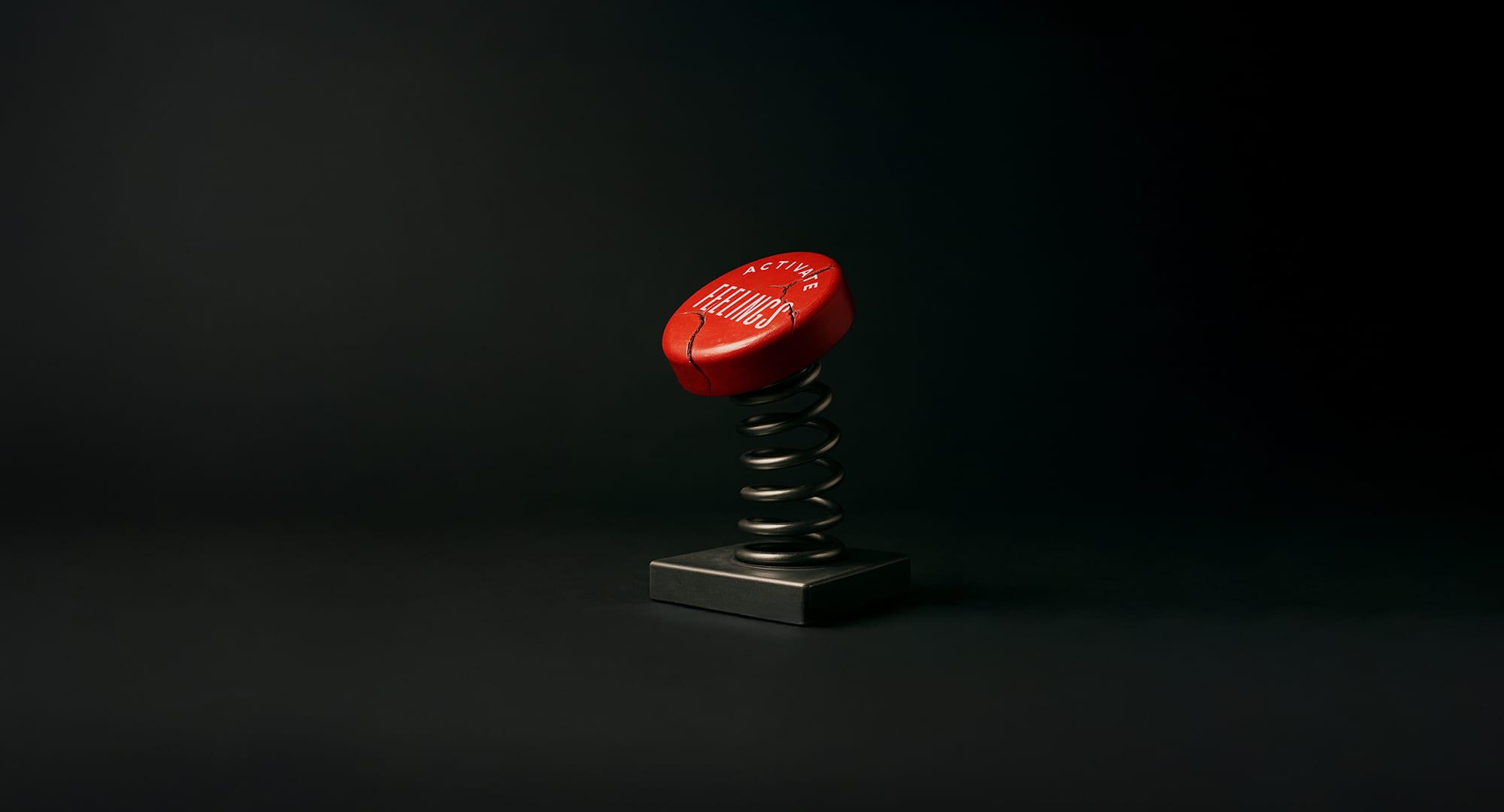

A brain pushed into constant high-alert isn’t failing — it’s signaling that chronic overload, not personal weakness, is driving the shift in mood, patience, and performance
Most firefighters have experienced it at some point. You’re partway through a shift and your patience is thinner than usual. On scene, the job still gets done, but later you feel mentally drained in a way that’s hard to explain.
Sometimes it shows up at home. You snap at your kids or your partner over something minor. You feel unusually quiet around friends. Activities you normally enjoy don’t feel quite as rewarding.
It’s easy to assume something is wrong with you, that maybe you’re burned out, or losing your edge, or maybe you’re just getting tired of the job.
Firefighting places intense and repeated demands on the brain. Over time, those demands can exceed the brain’s ability to recover, especially when the basic foundations of brain health — sleep, recovery, nutrition, and stress regulation — are consistently challenged.
The Demands of the Job — and What Overload Looks Like
Firefighting requires the brain to operate in extreme conditions. One moment the station is quiet, and minutes later you may be responding to a working structure fire, a serious medical call, or a traumatic accident scene.
From a neuroscience perspective, this places heavy demand on the prefrontal cortex, the part of the brain responsible for judgment, planning, impulse control, emotional regulation, and decision-making.
At the same time, the brain’s threat detection system — the amygdala — is constantly scanning for danger. When those stress systems are activated repeatedly without enough recovery, the brain begins to shift toward survival mode more often than necessary.
Many firefighters work long shifts — 24 hours or more — followed by several days off. It’s a schedule that requires the brain to switch quickly between two different environments: high-alert operational work and life at home. When the brain is still carrying stress from the job, those transitions can be difficult.
Over time, that overload often shows up in small shifts in behavior and performance.
At the station, firefighters may notice they are more impatient with co-workers, it feels harder to concentrate on training or paperwork, and what used to be routine decisions begin to take more effort. On calls, they may feel more mentally drained afterward or notice that certain calls tend to “stick with them” longer.
The effects can also appear outside the station. A firefighter may find themselves withdrawing from friends or family, reacting more strongly to small frustrations, or feeling less enjoyment in activities that normally help them relax.
This happens because chronic stress and fatigue reduce the effectiveness of the prefrontal cortex. When that system is overloaded, the brain relies more heavily on the amygdala and other survival-based stress circuits. In that state, reactions become faster and more emotional, while careful reasoning and patience become harder to access.
It’s important to understand that none of this means you’re weak or incapable. It usually just means the brain has been running hot for a long time.
Why It Can Feel Like Personal Failure
Fire service culture values toughness, reliability, and composure. Firefighters are trained to show up when people need help, often in the worst moments of their life.
When attention slips or emotional reactions increase, firefighters often blame themselves. They assume they should be able to handle it. The problem is the brain has limits, just like the body.
No firefighter would expect their gear or apparatus to perform perfectly without maintenance. Yet many firefighters expect their brain to operate under constant stress without the same kind of care.
When performance begins to change, the brain is often signaling that it needs support. Those signals are not signs of failure. They’re warning lights.
Early Warning Signs of Overload
Like an engine check light on a truck, the brain usually sends signals before a major breakdown occurs.
Firefighters might notice:
- Patience dropping during routine situations
- Rushing decisions or overlooking small details
- Difficulty concentrating during drills or training
- Stronger emotional reactions to traumatic calls
- Trouble shutting off and getting rest after a shift
At home, small frustrations trigger bigger reactions, conversations feel harder to engage in, and social withdrawal becomes more common.
Recognizing these signals early is important. They are the brain’s way of indicating that capacity is being stretched, and eventually they can lead to burnout, compassion fatigue, or long-term mental health challenges.
A Strong Foundation Protects the Brain
It’s impossible to eliminate the stress — it’s in the nature of the job. But firefighters can take proactive steps to mitigate the risk by strengthening the brain’s ability to handle that stress.
One simple tool is box breathing, which can help create balance and steady focus during a call when the nervous system is running hot. This helps keep the thinking part of the brain online and reduces the likelihood of an amygdala hijack.
Short resets after calls can also help. Being intentional and taking a brief moment to pause, breathe, and mentally transition before returning to routine tasks can reduce the buildup of stress. Slow breathing with an extended exhale is particularly useful here, helping the body shift out of high alert and signaling that the immediate threat has passed.
Another useful strategy is reducing unnecessary decision fatigue. Creating habits and routines — such as consistent workout times, meal planning, or daily schedules — reduces the number of decisions the brain must make each day. This can be challenging, especially on shift, but the more structure you build into your routine, the less mental load your brain has to carry. Every habit you put in place reduces your overall mental load.
Sleep is also critical, even though firefighters often have limited control over it while on shift. Research on firefighter health consistently shows that disrupted sleep contributes to cognitive fatigue, mood changes, and reduced decision-making capacity. While uninterrupted sleep isn’t always possible on the job, protecting sleep where you can still matters. Prioritizing recovery sleep after a tough shift, limiting caffeine later in the day, keeping sleeping areas as dark and quiet as possible, and maintaining consistent sleep routines on days off can all help.
Basic Habits Matter
Finally, building a strong daily foundation can help protect brain health over the long term. Mindful movement — walking, yoga, swimming — helps regulate the nervous system. Meditation practices like body scans or guided rest, such as iRest, a form of Yoga Nidra meditation, can also help the brain access deeper states of rest, even when sleep isn’t immediately possible.
Basic habits matter, too. Staying hydrated, eating well, and limiting excessive caffeine help support brain function and improve the body’s ability to recover from stress over time.
None of these practices eliminate the challenges of the job, but they strengthen the foundation that allows firefighters to handle those challenges more effectively.
Protecting brain health isn’t about weakness. It’s about protecting the capacity to do the job long term — and to live well outside of it.
Dr. Adrian Campbell, PhD, is a U.S. Coast Guard veteran and human performance specialist focused on stress, resilience, and decision-making under pressure in high-risk professions. She is the founder of The Mindful Shield, which provides proactive training in nervous system regulation and performance readiness for first responders.