
It’s amazing how light a phone feels when you’re scrolling through social media, sending a text to a friend, or checking the weather. It practically floats in your hand. Doesn’t it? But when it comes to using it for yourself, when it’s time to call for help, to admit you’re struggling, it suddenly becomes heavy. Not a pound, not two pounds, but somehow it feels like 5,000 lb.
I know this feeling intimately. I’ve felt that invisible weight pressing down on my chest, the tight knot in my stomach, the hesitation that turns a simple action into a monumental challenge. Picking up that phone, dialing a number, and asking for help was, without question, the hardest thing I’ve ever done. And in a firehouse, surrounded by the men and women who have seen the same horrors I have, it felt almost impossible.
The Illusion of Strength
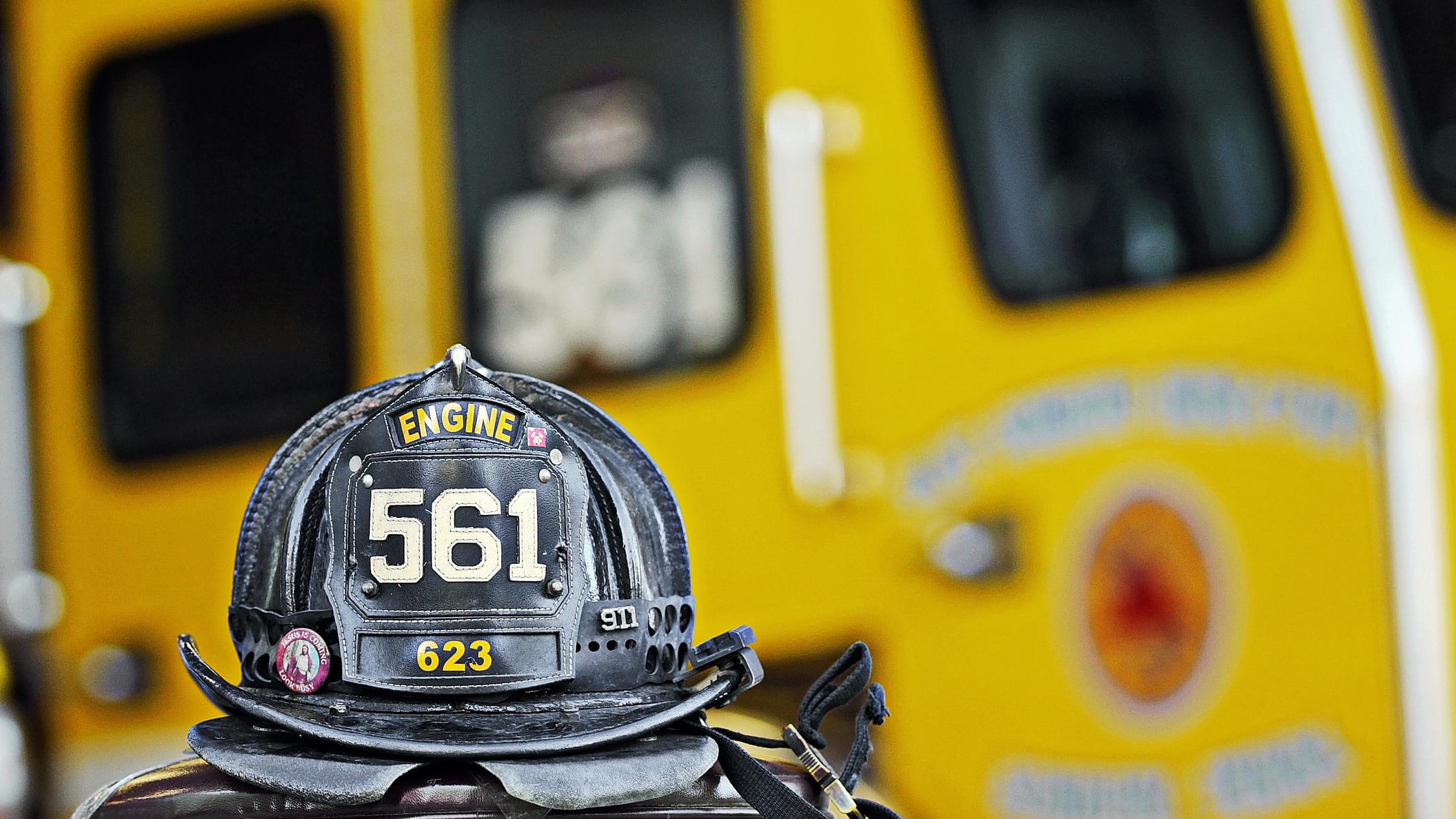
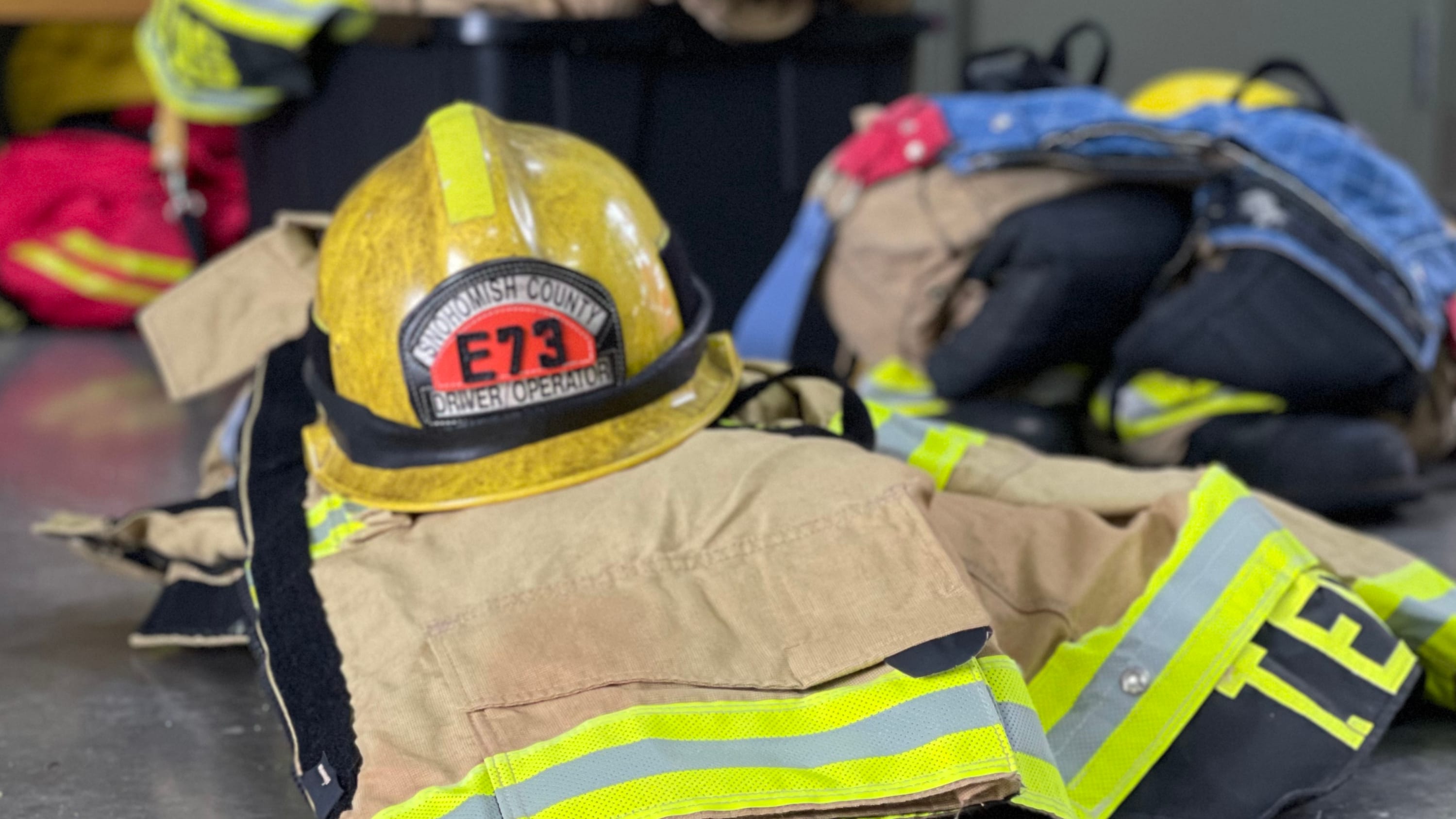
As firefighters, we’re trained to be resilient and strong. We’re taught to suppress fear, ignore pain, and push through fatigue. We’re heroes by definition, and we carry that title with pride. But the cost of that pride is often invisible, carried quietly in our hearts and minds.
We joke about calls that make us shake, about scenes we can’t unsee, and we tell ourselves stories of invincibility. And we do it well. But sometimes, when the trucks are parked, the lights are off, and the firehouse is quiet, the weight of all we have seen presses down on us. We laugh to keep the darkness at bay, swap stories over burnt coffee, and pretend everything is fine – but inside, we carry burdens no one else can see.
For years, I told myself I was fine. I could handle it. I had seen worse, done worse. Asking for help seemed almost … well, unthinkable. It was a contradiction to everything I had been trained to be. How could a seasoned firefighter, a man who had run into burning buildings and faced the unimaginable, be “weak” enough to need therapy?
And so the weight grew. It wasn’t just the memories of calls and tragedies, though they were there; it was the slow accumulation of stress, sleepless nights, and the quiet moments of doubt that crept in when no one was watching.
The 5,000 lb. Phone
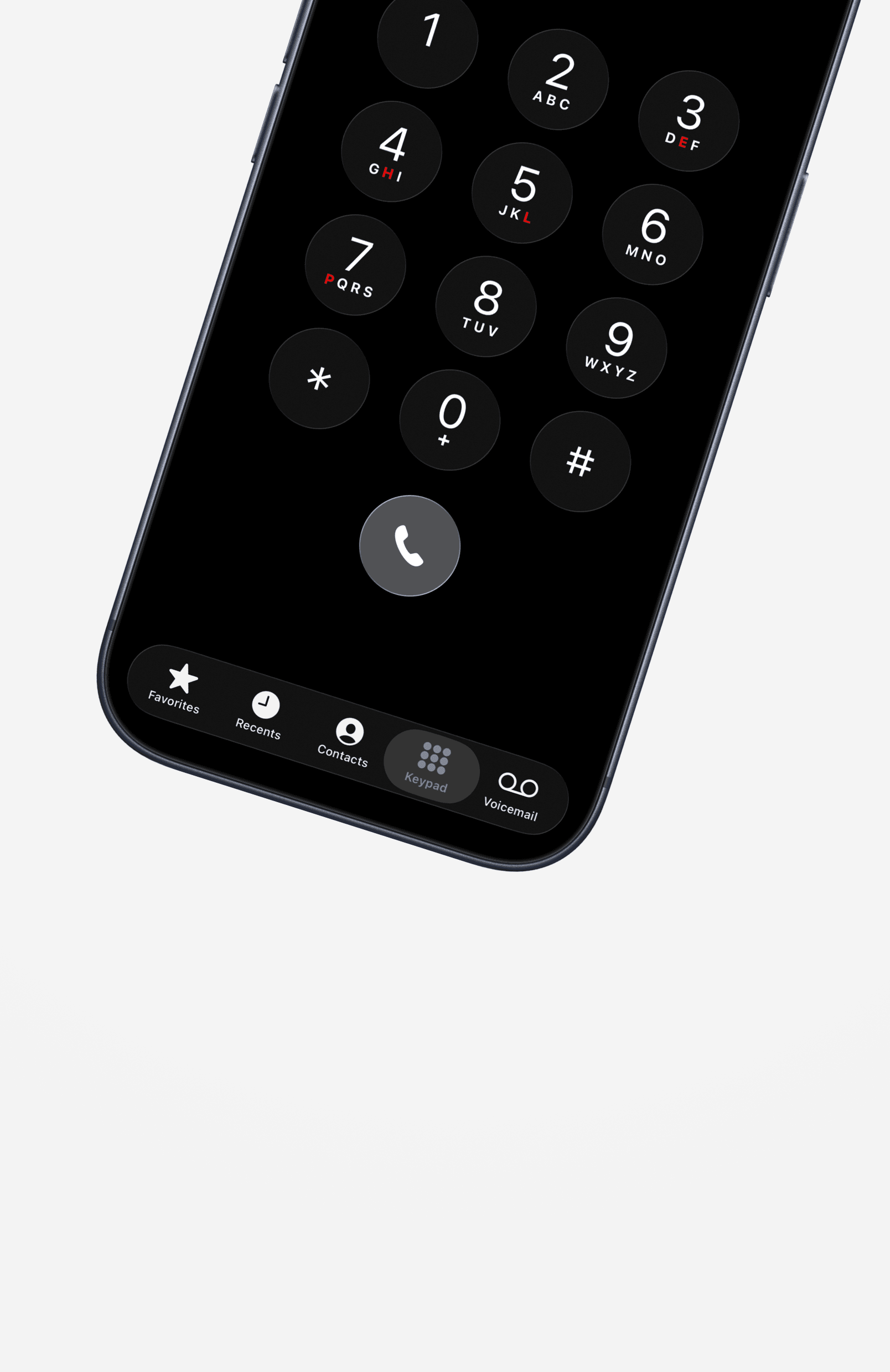
That is when the phone appeared in my life, both as a lifeline and a mountain. I would stare at it, hold it, and then put it down again. The number of a trauma-informed therapist who works with first responders was saved, right there in my contacts. I knew it. And yet, every time I imagined pressing the “call” button, it felt impossible.
It literally took months. My wife at the time – patient, persistent, and caring – gently reminded me to:
- Get the number of a therapist.
- Once I had it, to finally make the call.
After finally obtaining the number, it took me another two months to muster the courage to dial.
When I did, the therapist answered. For me, it seemed like an eternity before I could get any words out. Finally, I whispered the two words that felt monumental: “Help me.” In reality, it was about 20–30 seconds. I often wonder what he was thinking on the other end during that eerie silence, but all that mattered in that moment was that I finally asked.
I briefly explained who I was and what I was going through. The therapist said he could help and scheduled me right away. That was the first hurdle, and it was enormous – but the next hardest thing would be showing up.
The Reality of Therapy
Growing up as a Gen Xer, I imagined therapy would look something like this: I walk into the office, the therapist sits in a smoker’s jacket, pipe in hand, with a roaring fire in the background. I lie on a couch, vulnerable, and confessing all of my deepest, darkest thoughts about the demons that haunt me.
It could not have been further from the truth. Therapy was simply two safe men in a secure environment, talking. He offered professional thoughts, ideas, and solutions to help me with my mental health. I was introduced to cognitive behavioral therapy (CBT) and writing/journaling therapy.
The writing was cathartic and liberating. Putting thoughts and feelings on paper, organizing and confronting them in black and white, felt like lifting invisible weights off my shoulders. Think about the power of pen to paper throughout history – whether the Bible, the Declaration of Independence, or the U.S. Constitution. I am not claiming my writing held anywhere near that significance, but for me, transferring my internal world to the page was profoundly freeing.
There’s something about the quiet of a pen on paper that mirrors the calm after a fire. It is slower, deliberate, controlled, the opposite of the chaos we face on the job. It gives you space to breathe, to reflect, and to finally feel what you have been holding in. And after decades of moving quickly, reacting to alarms, and putting out fires – both literal and metaphorical – it felt revolutionary.
Breaking the Silence
I realized then the phone was not heavy – the fear was. Fear of judgment. Fear of admitting I was not invincible. Fear that my career, my reputation, and my sense of self might somehow crumble if I confessed I needed help.
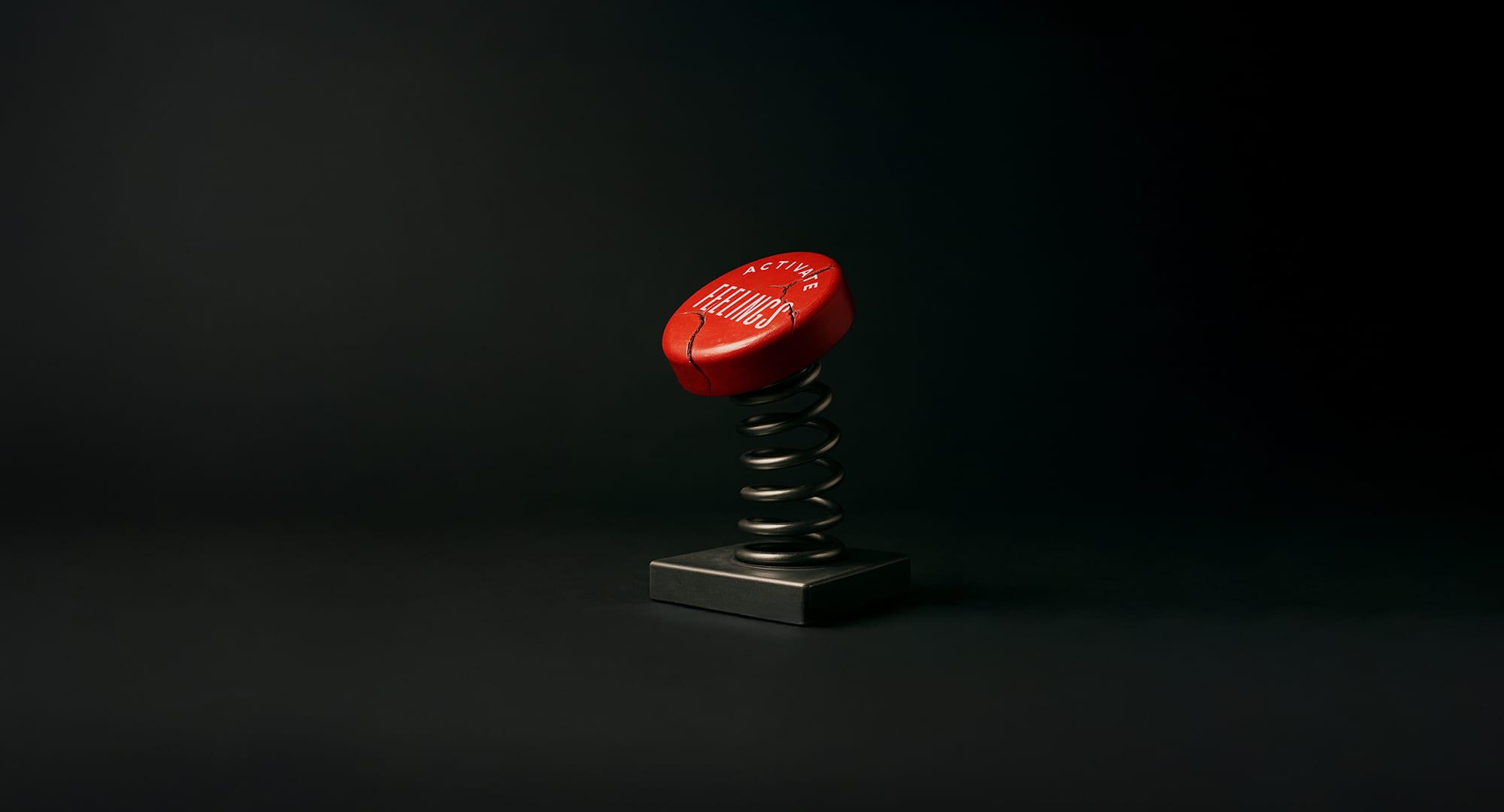
And here is the thing about fear: it grows when you ignore it. It inflates ordinary objects into monumental obstacles. A phone becomes a boulder. A conversation becomes an ordeal. The simple act of asking for help feels like lifting 5,000 lbs.
But once you place that call, everything begins to shift. You no longer carry the weight alone. You start to process. You begin to understand, and your journey to healing begins.
Firehouse Lessons
We often joke that the firehouse is a second home, and it is – but it is also a culture built around strength, resilience, and self-reliance. We pull others out of burning cars, we rescue people trapped by smoke or flood waters, we calm frightened children, and we hold each other when someone falls. But we rarely practice reaching out when we are the ones in need.
That needs to change. The same trust and camaraderie we place in our crews should extend to mental health. Checking on a teammate’s psyche should be as natural as daily gear inspections or cleaning the trucks. We train for the unpredictable, but how often do we train ourselves to deal with the invisible injuries of the job?
Passing the torch is not just about skill, knowledge, and tradition. It’s also about honesty, compassion, and courage. It is about teaching the next generation that strength is not the absence of vulnerability; it is the willingness to face it.
The First Step Toward Healing
Once you make that call, the world doesn’t suddenly become perfect, and the memories and trauma don’t suddenly disappear. But something shifts, you no longer carry it alone. You start your journey inward. You gradually begin to gain clarity and start taking baby steps toward healing.
I can tell you this from experience: the hardest step is always the first. Picking up that phone, dialing a number, and admitting you are not OK – those moments are bigger than any fire you have ever fought. That call requires courage we rarely celebrate in our profession, but that courage is every bit as heroic.
And here is the paradox: the more we do it, the easier it becomes – each conversation, text, check-in with a friend, or therapy session chips away at the weight. The phone becomes lighter. The call becomes possible. The path to wellness becomes realistic.
A Personal Plea
If you’re reading this, I want you to know you’re not weak. You’re not broken. You’re human. You’re a firefighter, yes, but more importantly, you’re a person who deserves care, support, and understanding.
If your phone feels heavy, I promise it’s not the device that is weighing you down. It’s the fear of using it for yourself. And I promise you this: when you finally make the call, that weight will lift. You’ll feel lighter, stronger, and more capable of facing the challenges ahead, both on the job and in life.
Your initial call might feel intimidating. Your first conversation may be awkward, but each step forward is important. Every story told counts. Every hand extended holds significance.
It’s Lighter on the Other Side
The 5,000-lb. phone is real, but it’s not a permanent fixture. It’s heavy only until we decide to act. Courage is not just charging into a burning building, it’s picking up a phone, dialing a number, and saying, “I need help.” That’ s heroism in its purest form.
We owe it to ourselves, to our crews, and to the next generation of first responders to make it easier for everyone to carry less weight. To make it normal, accepted, and celebrated to ask for help. To recognize that the same bravery that saves lives on the fireground can also save lives inside our own minds.
So, today, if your phone feels like it weighs 5,000 lb., remember it doesn’t. Not really. The only weight is in your mind, and the only thing standing between you and relief is a single, courageous action.
Please take that leap, pick it up. Make that call. You’ll be amazed at how light it feels on the other side.
I’ll always listen. (757) 536-3373